

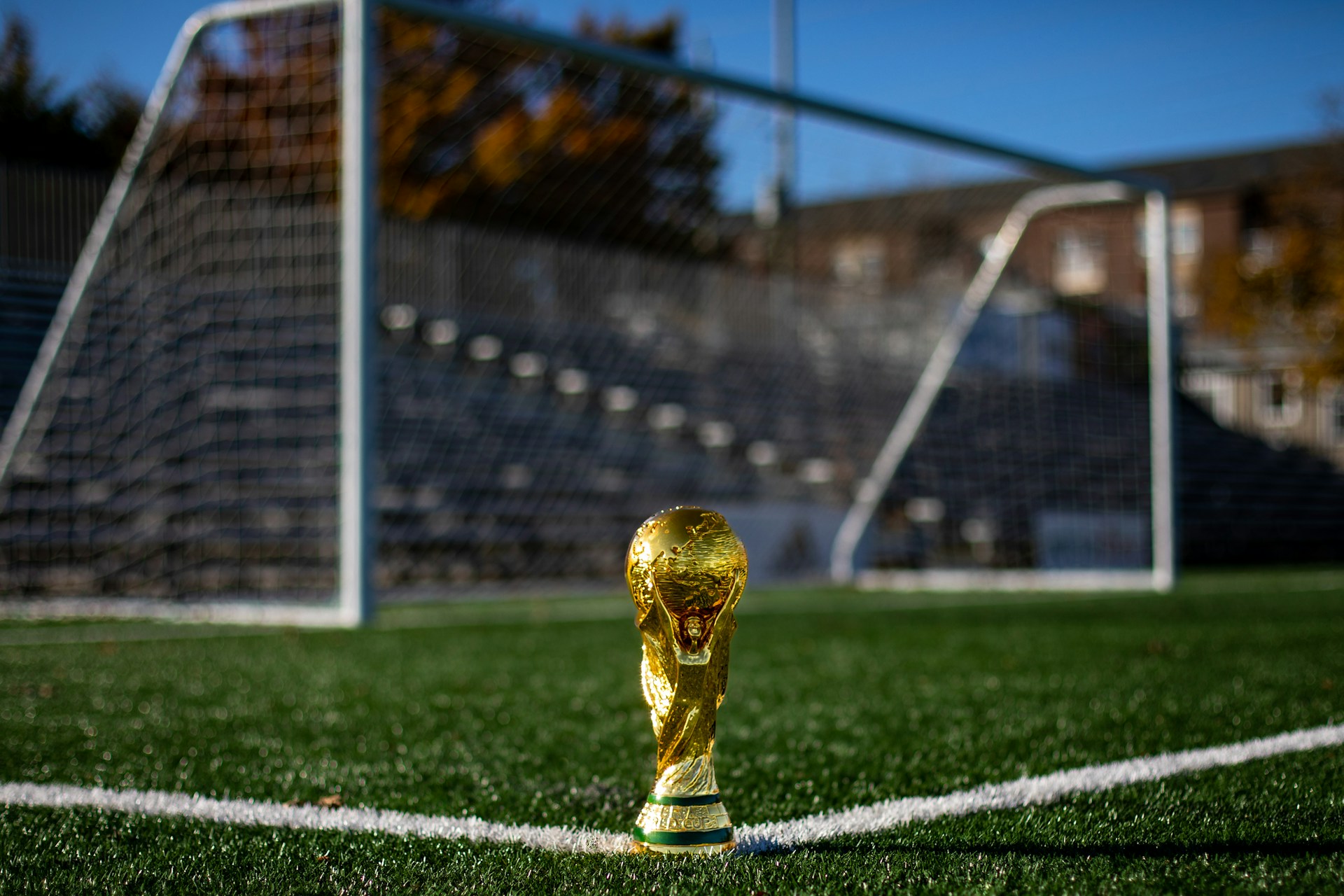
The countdown is on: the FIFA World Cup is about to begin in the United States, Canada, and Mexico, promising a spectacle watched by billions worldwide. Yet even with kickoff imminent and millions set to travel across North America, the excitement feels strangely distant for many Americans. This is surprising, considering that the United States will host the majority of matches, including the tournament’s biggest moments. Cities have spent years preparing. Ticket sales are underway. Organizers expect massive crowds. Yet outside of dedicated soccer circles, the buildup has been remarkably subdued.
So why does it feel like the World Cup is not coming? Is soccer still struggling to break into the American mainstream, or is the tournament competing for attention in a country already saturated with sports, politics, entertainment and endless streams of other online content? As the countdown continues, the answer may reveal as much about modern America as it does about soccer itself.
For an event expected to attract billions of viewers worldwide, the World Cup’s approach has felt surprisingly quiet in many parts of the United States. In previous host countries, preparations for the tournament were often impossible to ignore. Streets full of banners and flags, businesses embracing national teams and conversations about the competition began months before the opening match. Yet many Americans right now likely go about their daily lives without realizing the World Cup is rapidly approaching.
This perception is not limited to casual observers. Across social media and in several host cities, some fans have expressed surprise at the lack of visible excitement for the tournament. Stadium renovations are complete. Local organizers continue preparing for large crowds. But many outward signs typically associated with a major international event remain difficult to find.
Part of the explanation may be cultural. Unlike much of Europe and Latin America, soccer does not dominate the sporting landscape in the United States. Instead, the country divides its attention among football, basketball, baseball and hockey. Countless other forms of entertainment also compete. As a result, even the world’s most popular sporting event must fight for attention in a crowded marketplace.
Another possible explanation for the lack of visible excitement is cost. While the World Cup remains one of the most anticipated sporting events, attending in person has become increasingly expensive. Between match tickets, airfare, hotels and transportation, the total cost for attending can quickly climb beyond what many fans are willing or able to spend.
This does not mean interest in the tournament is low. In fact, demand for tickets remains strong. However, when participation feels financially out of reach, excitement may become concentrated among dedicated supporters. It does not easily spread to the broader public. If fewer people can realistically imagine themselves attending a match, the buildup may feel more distant. The event itself draws closer, but excitement stays contained.
The apparent lack of excitement does not necessarily mean Americans are uninterested in the World Cup. Instead, it may reflect how people consume sports and media today. Unlike previous generations, where major events were experienced through a handful of television networks and newspapers, audiences are now spread across multiple social media sites; feeds may be filled with World Cup content, while also filled with politics, entertainment, or entirely different sports.
As a result, enthusiasm for the tournament may be more fragmented than absent. There is no single national conversation. Excitement often pools within specific fan communities. For outsiders, it is less visible.
Of course, the true test of the World Cup’s impact may not come before the opening match, but after it. Once stadiums begin to fill, international supporters arrive, and matches dominate headlines around the globe, the atmosphere could change dramatically. Americans who currently feel disconnected from the tournament may find it difficult to ignore once the world’s attention turns toward their own cities.
The World Cup is also arriving during a particularly busy moment in American public life. Political debates, economic concerns and an increasingly fragmented media environment compete for the public’s attention every day. In a country where national conversations are increasingly rare, perhaps the question is not why the World Cup has struggled to break through, but whether any event can still capture the nation’s attention.