

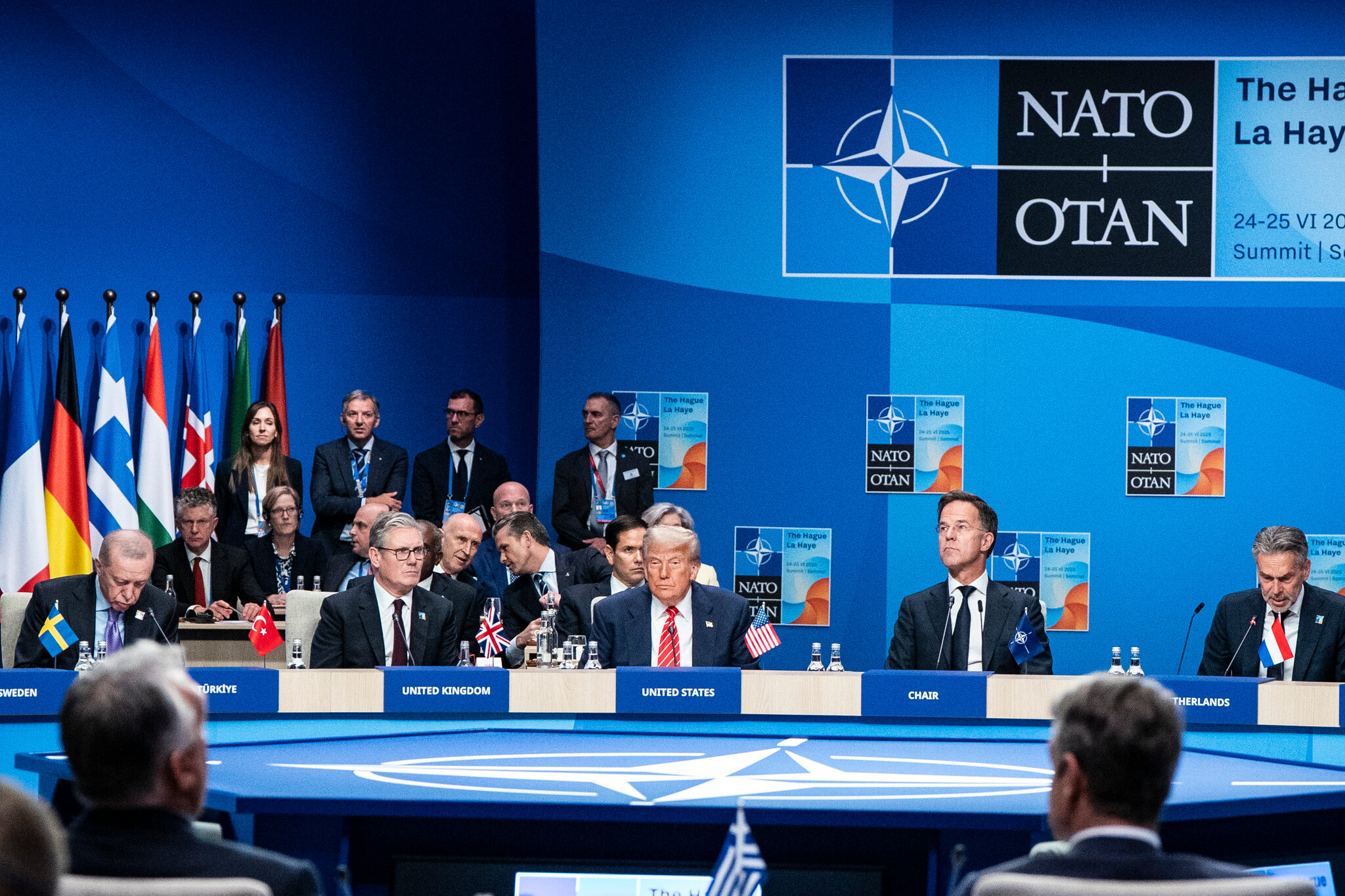
The North Atlantic Treaty Organization (NATO) has been a fundamental part of U.S. foreign policy, yet its value to American taxpayers is increasingly under scrutiny. President Trump has long argued that the United States bears an unfair burden while its allies benefit without contributing their fair share.
The ongoing U.S.-led conflict against Iran and its terrorist proxies has intensified this debate. Why continue allocating billions to an alliance that remains silent when America needs genuine support?
When examining NATO’s total defense spending, it is evident that the U.S. contributes significantly. In 2025, the United States is projected to spend approximately $980 billion on defense, which accounts for about 62% of NATO’s combined total of $1.59 trillion.
However, the conflict with Iran has highlighted NATO’s limitations. Iran has disrupted the Strait of Hormuz, a crucial chokepoint through which 20% of the world’s oil passes, driving up prices and adversely affecting Europe. Trump urged NATO allies to participate in naval operations to secure the Strait, but major countries such as Germany, France, and the UK declined, stating it was “not our war” and opting for de-escalation. Despite verbally supporting U.S. anti-terror efforts, NATO provided no direct assistance as American forces confronted Iranian threats independently.
This uneven situation is unacceptable. American taxpayers support the alliance that secures global interests—including the energy needs of Europe—yet they receive minimal reciprocity during crises.
Trump rightly cautions of a “very bad future” for NATO if the burden of defense is not shared more equitably. It is time for genuine burden-sharing or a serious reassessment of U.S. commitments to the alliance.
