

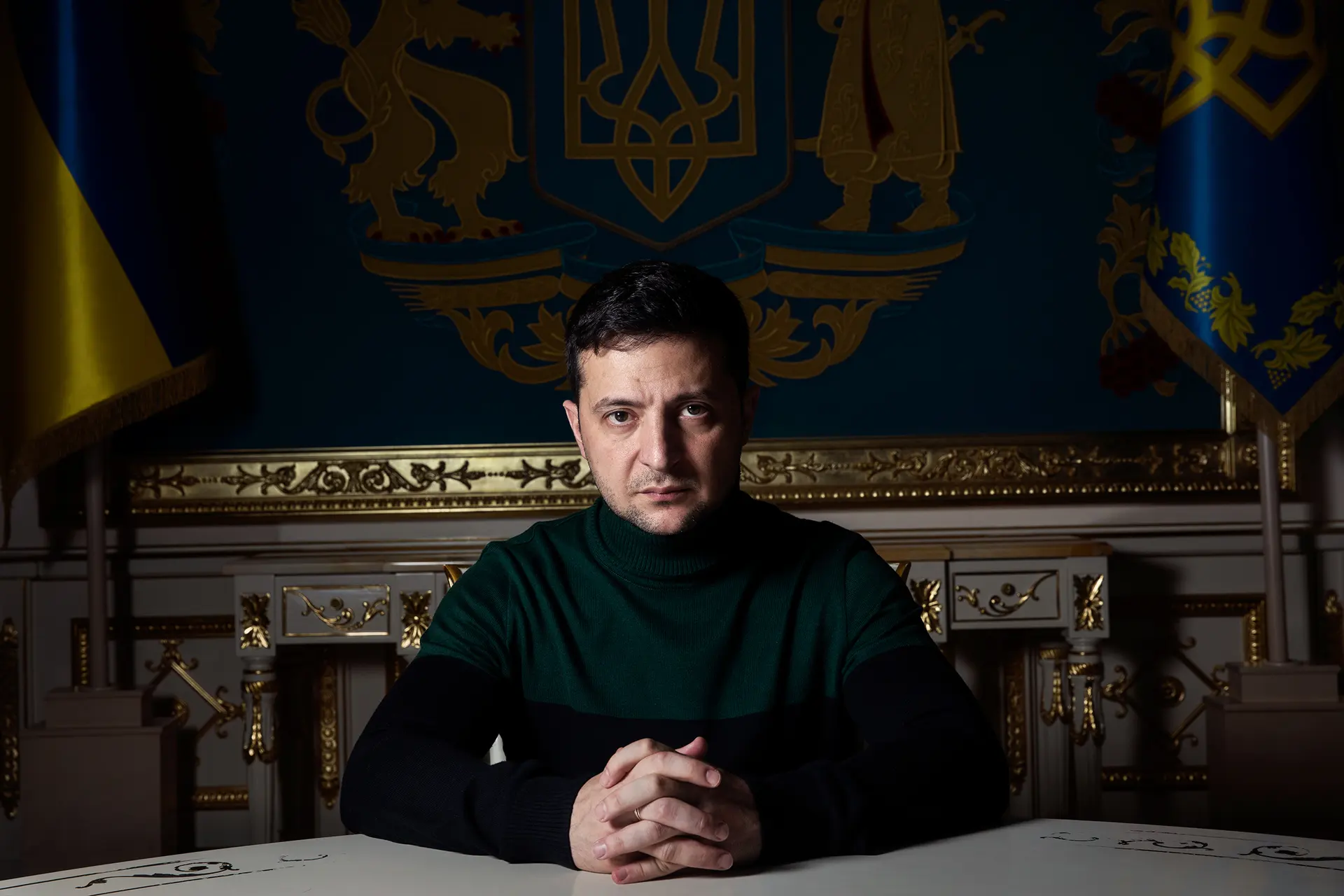
In a twist few predicted a year ago, Ukrainian counter-drone technology is now guarding a U.S. air base in Saudi Arabia. The Pentagon has deployed Kyiv’s “Sky Map” command system at Prince Sultan Air Base to stop Iranian-made Shahed drones, with Ukrainian specialists training American troops on-site. For an administration that once publicly dismissed Ukraine’s help, the move is a quiet vindication of Volodymyr Zelensky’s strategy: stay calm, build expertise, and make yourself indispensable.
In February 2026, Zelensky’s White House meeting with President Trump and Vice President JD Vance devolved into a tense argument and ended early. Reporters even pressed Zelensky on why he wasn’t wearing a suit. Trump has called Ukraine’s leadership ungrateful and questioned U.S. support. Yet Zelensky didn’t retaliate or escalate. He kept channels open, posted detailed readouts of every call with U.S. officials, and framed the fight against Russia and Iran as a mutual problem.
Zelensky’s patience is now paying dividends. Sky Map—built by Ukrainian firm Sky Fortress in 2022 and refined during four years of Russian Shahed attacks—processes data from over 10,000 acoustic sensors to detect drones and direct interceptors. It’s the “brain” of a counter-drone operation: born not in a lab but “under fire.” After waves of Iranian drones and missiles damaged Prince Sultan, the U.S. quietly reversed its course. A month after Trump told Fox News the U.S. “did not need external support,” Ukrainian teams arrived to install the system.
The Saudi deployment isn’t isolated. Since Iran began launching Shaheds across the Gulf, Zelensky has offered Ukraine’s battle-tested “interceptor drone” playbook to partners. In late March 2026, he made a whirlwind tour—Jeddah, Abu Dhabi, Doha, and Amman—signing 10-year defense cooperation agreements with Saudi Arabia, the UAE, Qatar, and Jordan. The deals cover joint projects, co-production, and tech partnerships, with a focus on countering aerial threats.
Kyiv has already sent teams to Qatar, the UAE, Saudi Arabia, and a U.S. base in Jordan to demonstrate anti-drone systems. Zelensky says six countries asked for help; experts are now involved with three. His pitch is blunt: Iran taught Russia how to build Shaheds; Russia used them to kill Ukrainians; Ukraine learned how to stop them. Now those lessons can protect the Gulf.
Zelensky demonstrated his intelligence after the Iran war broke out. He never echoed the NATO phrase “it’s not our war.” Instead, he offered solutions, noting Iran and Russia are “cooperating” and sharing drone tactics. He proposed a “defense-for-tech” exchange: Ukrainian know-how for the PAC-3 missiles Kyiv lacks. It reframes Ukraine as a security partner instead of an aid recipient.
Zelensky knows his nation’s interests aren’t satisfied by winning arguments on cable news. They’re satisfied by keeping Patriots firing, F-16s flying, and allies invested. So, when Trump bullied, Zelensky absorbed it. When JD Vance snapped, he didn’t retaliate. As a result, a U.S. president who once scoffed at Kyiv’s offers is now relying on them to shield his airmen.
Diplomacy isn’t about who shouts the loudest. It’s about who has the cards—and plays them coolly.

1 Comment
This is a very insightful article. I appreciate you giving credit to President Zelensky. He certainly has played his cards right despite the difficult situation is nation is currently in. Hopefully, America will recognize Ukraine’s willingness to help.