

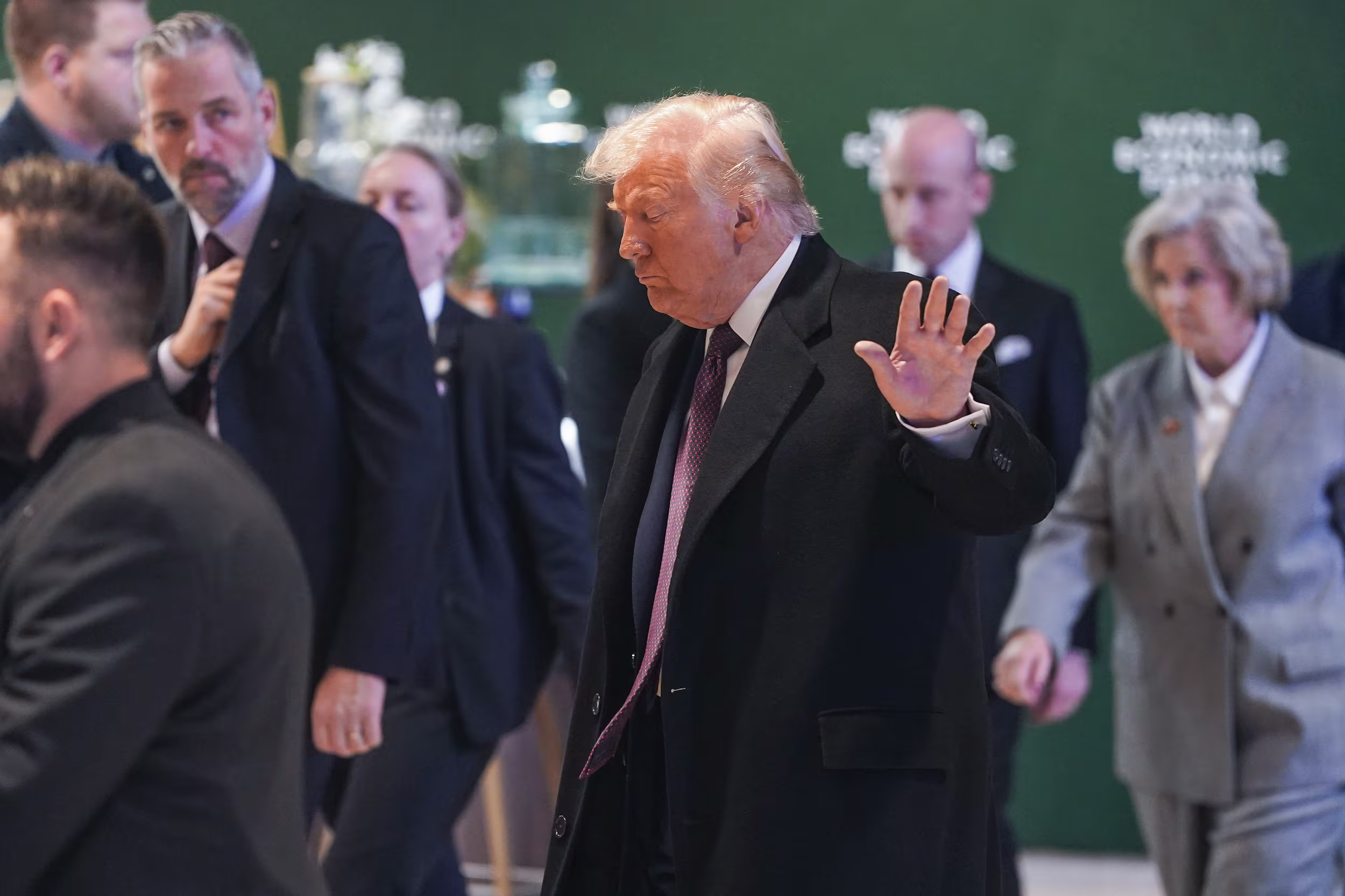
The 2026 midterms serve as a report card on President Trump’s second-term agenda.
The past two years have provided voters with ample material to assess. Cabinet changes included top-secretary turnovers. Foreign policy saw a sharp shift: a brief U.S. strike on Iranian nuclear sites in Isfahan, military actions in Venezuela that reduced his Hispanic approval from 43% to 37%, and tariff disputes that left only 30% approving of his economic policies. The ongoing debate over Trump’s Nobel Prize efforts continues — he claims credit for ending “six wars” while the Nobel Committee states it “will not be swayed” — along with immigration crackdowns, which 57% say went “too far,” leaves voter opinions divided.
On the generic ballot, Democrats lead 50% to 42%, and 63% disapprove of Trump overall. However, poor midterm results aren’t predetermined. Factors like turnout, candidate quality, and a late economic shift can quickly change the narrative. From Iran strikes to tariffs, the record is set. The November vote will determine if the country endorses this record or moves in a different direction.
