

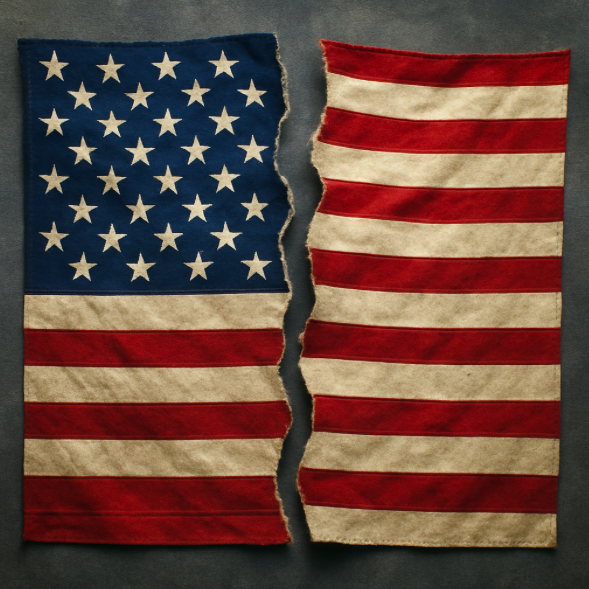
When political conversations turn into shouting matches, it becomes clear that the vast divide is straining relationships. People have become deeply enmeshed in their political ideologies, tinging their cultural and social beliefs with the color of their respective political party.
Many are so self righteous that they will defend their party blindly. Despite what other parties may offer, we are arguing to the point of ignorantly believing in their own party’s superiority.
Political Correctness in the Driver’s Seat
Lately, politics controls our choice in friends, patronage to companies and products — even how we raise our children. Our values are mirrored in everything we do, making our personal lives inherently political. A study published in Political Psychology suggests that political identity greatly affects how people socially view others. Instead of relying on our own instincts, we have begun allowing politicians to decide our lives for us.
Furthermore, Time Magazine also reported that political differences have led one in five Americans to become estranged from close relatives. Younger adults seem to be the most affected by this, especially since the 2016 election.
The problem doesn’t lie in the difference of opinion, but rather the obsession. People have become so fixated on being “right” that they abandon basic rights like respect and civility. At this point, the truth is whatever we believe, not the objective reality we live in. Anything else is seen as a personal attack.
The Mutation of Peaceful Politics
All this makes us wonder about the origin and reasoning behind the intertwined nature of identity and politics. The clear answer lies in a growing cultural identity of victimhood, where people are told that they are unconditionally accepted. If someone’s political beliefs are so deeply ingrained in their identity, why should we question them? Why would we reconsider our beliefs when we’re constantly told that we don’t need to change?
If we think back to the 18th and 19th centuries, politics was focused on issues like governance, trade, diplomacy and national defense. It was rarely confused with personal values or morals. The main concern, especially to the working class, was survival. Politics wasn’t about aligning with a set of moral principles; it was about who could address their needs. Emotions and identity had little to do with it.
For example, what began as a movement for fairness and equality has morphed into something more nuanced: modern feminism. Today, some self-proclaimed feminists openly support the idea that men can identify as women. But, they struggle to articulate what being a “woman” really is, making it difficult to responsibly allocate that title on a whim. Shifting focus away from women’s rights progress played into the growing culture of victimhood. To many, this new trend is disrespectful to biological women’s progress. None of it seems to matter anymore, and the successes of biological women are overlooked for transgender individuals. But, that’s the crux; politics no longer needs to make practical sense because it’s all about emotions. It’s about determining what is “good” or “bad” based on political alignment, not actuality.
Rejecting Toxic Politics
This mentality is driving a wedge between society. A Liberal may reject a Conservative as a potential friend or partner simply based on political views, and vice versa. While this response is sadly understandable in today’s world, we shouldn’t accept it as the norm.
We can still form meaningful connections, share experiences, grow together and view life through a lens that isn’t colored by politics. Instead of fitting into a box of what’s considered “correct,” we need to form our own conclusions by stepping outside of our echo chambers, challenging our assumptions, and rethinking our self-perception. The answer isn’t to fully abandon political conviction, but to recognize that disagreement isn’t always an attack.
Political debates will always exist, but whether they divide or unite us depends on how we engage with them. If we can learn to value discussion over validation, we could create a future where we see each other as people first and political opponents second. At the end of the day, we are more than our beliefs: we are humans deserving of understanding and respect.
Acknowledgement: The ideas expressed are those of the individual author.
