

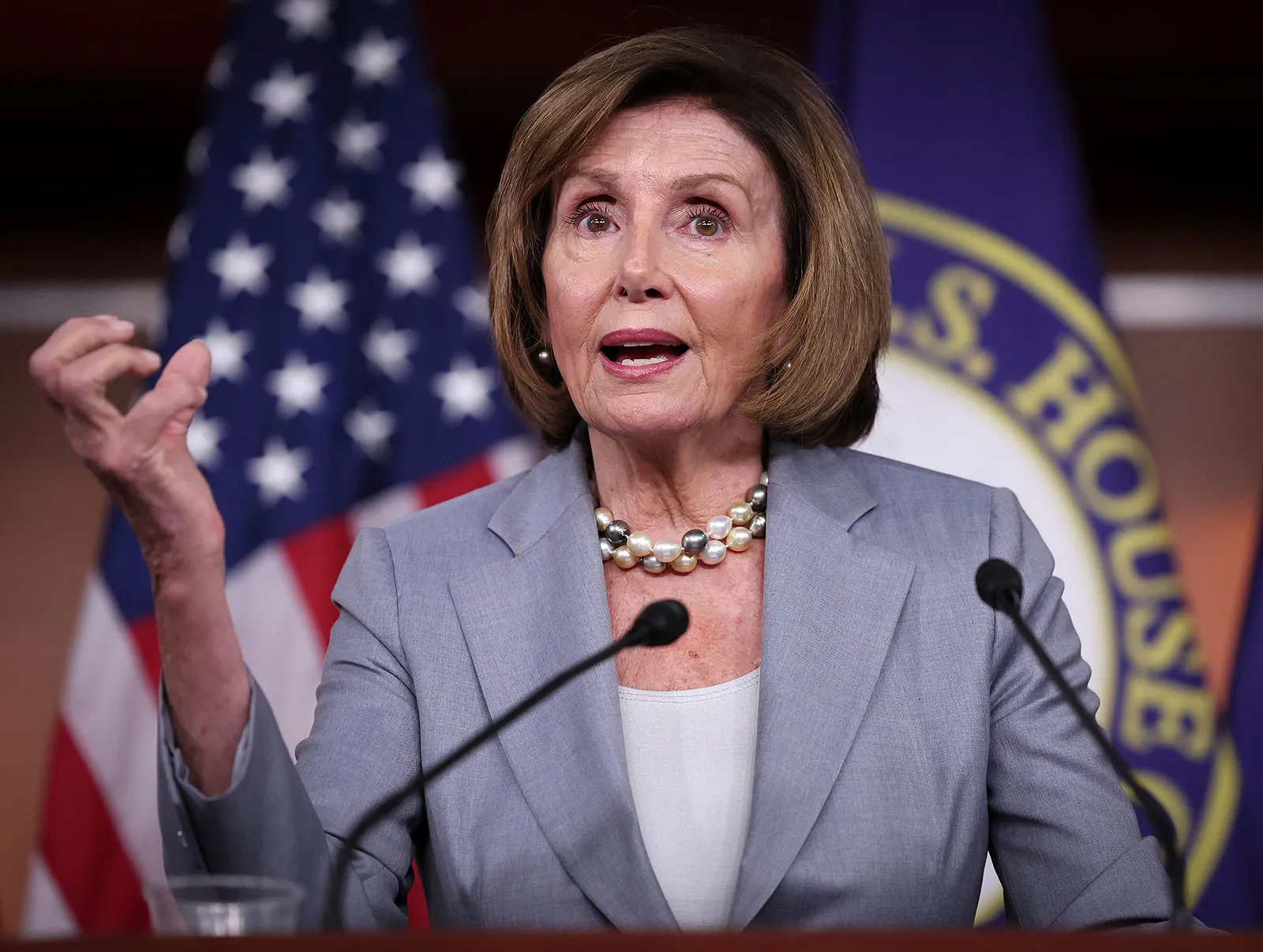
Nancy Pelosi, the former speaker of the U.S. House of Representatives, became Internet infamous for her stock trading, which has massively increased her net worth. Many suspect that Rep. Pelosi shared confidential information with her husband, who is a venture capitalist. There are even social media accounts dedicated to reporting her trades because they are so suspiciously successful. Rep. Pelosi seems to be almost openly engaged in insider trading, which highlights a larger pattern of corruption, conflicting interests and public distrust in the government.
Stocks, also called equities, are bought in “shares” that represent partial ownership of a company. Investors buy stocks hoping for a return on investment; if the company increases in value, its stock price rises and the investors receive dividend payments. Insider trading, which is illegal, occurs when these stocks are traded by someone with confidential or nonpublic information about the company, something that our elected officials are all too keen to do to line their own pockets.
Stock trading is not just limited to the general public; legislators can also trade stock. However, these legislators often have nonpublic information about the companies they invest in, which is illegal insider trading and creates a conflict of interest. For example, before the public announcement of the COVID-19 pandemic restrictions, dozens of legislators made over a thousand stock transactions after receiving confidential information not yet released to the public.
One particularly noteworthy example was in early 2020 when Sen. Richard Burr sold hundreds of stocks after receiving nonpublic information on the looming COVID-19 pandemic and its potential implications for businesses. His biggest stock sales included companies, such as hotels, that were among the most vulnerable to the economic decline that the pandemic brought. His acts led to investigations into insider trading, but he was never indicted. Sen. Burr is just one of many legislators engaging in individual stock trades, many of which should be subject to further investigation.
So, why are legislators still engaging in insider trading if it is illegal? The short answer is that the punishments are not drastic enough and not well enforced. In fact, legislators are only subject to a small fine if they break the laws of insider trading, which is a drop in the bucket compared to gains made by illegal trades. Members of Congress have frequently violated these laws and have faced few, if any, consequences.
This has led many individuals to be rightfully dubious of legislators who profit from corruption, generating a climate of public distrust in our democracy.
The vast majority of voters, Democrats and Republicans alike, do not want members of Congress to trade stocks. Some members of Congress themselves agree that they and their colleagues should not be playing the stock market. Rep. Alexandria Ocasio-Cortez has even stated,
“It is absolutely ludicrous that members of Congress can hold and trade stock while in office.”
Rep. Andy Kim agrees, stating that Americans are losing trust in our government and that legislators should abstain from trading stocks to show that they serve the people, not their personal or political self-interests.
Despite Rep. Pelosi’s argument for allowing lawmakers to participate in the nation’s free market economy, insider trading continues to remain a major source of corruption within our democratic institutions and should be penalized accordingly. Allowing this practice to continue only contributes to the further undermining of public trust in the American government, which is already at an all-time low. If we want to strengthen our democratic institutions effectively, we must address the source of these attacks and work to align legislators’ interests with the general public.
Acknowledgment: The opinions expressed in this article are those of the individual author.
