

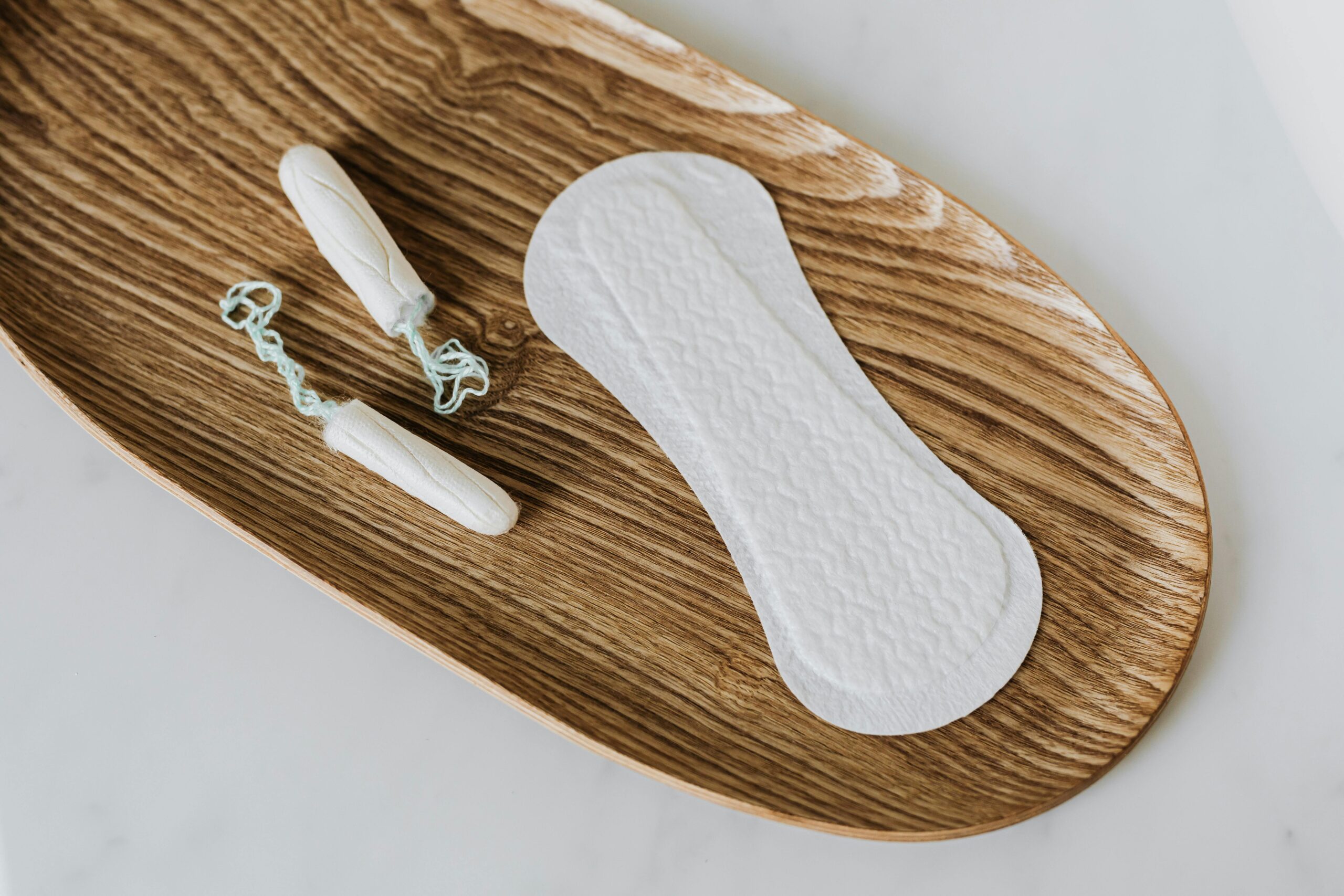
Countless women trust period products every single month, but research shows that their trust may be misplaced.
Corporate Contamination
Perfluorooctanoic acid, a chemical mostly produced by the company 3M, may cause cancer, immune suppression, and reproductive health issues. Another chemical, Perfluorooctanesulfonic acid, can cause hormone disruption, immune dysfunction and liver damage. Finally, Fluorotelomer alcohol affects estrogen and can play a role in DNA damage. Along with these, forever chemicals can harshly impact the environment by seeping into dirt, water, and nature, disrupting ecosystems.
These chemicals, which can directly harm women and their reproductive health are found in countless menstrual products. They do not degrade naturally and can remain in the body for up to 10 years. Once in either the environment or people, they can remain there for years.
Who’s To Blame?
Many people are now wondering, “Why do menstrual products even have these chemicals, and why don’t we know about it?” There are several reasons why these chemicals are added. These chemicals are very good at fighting water, oil, and stains. They can also help prevent leaks. Also, these chemicals can often be incorporated into the supplier’s fabric, and the manufacturer may not have detected them. However, these chemicals are by no means necessary, and the same result can be achieved with natural, chemical-free products and materials.
This week, a team of researchers found very high amounts of these chemicals in period underwear, reusable pads and menstrual cups. Period underwear showed the highest levels, which is strange, as period underwear products are often marketed to be safe, ethical and a better option than regular disposable menstrual products. An estimated 30 percent of all of the tested products yielded such high amounts of forever chemicals that researchers suspect they were intentionally added.
The same study also found that some of these products tested so high that it is almost certain that these chemicals were intentionally added by manufacturers. This shows a clear disregard for the millions of women who need these products but are unaware of the risks.
Legalities and Lawsuits
Currently, the U.S. does not legally ban these chemicals. Companies are not required to disclose or even test their products for these chemicals. In general, young women are specifically kept in the dark about the chemicals and the effects they may have on women’s bodies.
In 2022, a lawsuit was filed against Thinx, a reusable period underwear brand marketed to be chemical-free, organic and safe to use. However, testing showed that they had high amounts of forever chemicals. The lawsuit alleged that Thinx had concealed the health risks and used fake advertising to push their products to more customers. Eventually, Thinx agreed to a five-million-dollar settlement without admitting any wrongdoing, even though the chemicals were found to be in their products, and they marketed themselves as an “organic” and “safe” brand. Though five million is a large sum of money, it is not enough to compensate for the issues this can cause women, especially with their reproductive health. Women have long pushed to have full reproductive rights; however, they are mostly unaware that these brands’ products contain chemicals that could lead to infertility.
Women Deserve Better
Women deserve to be educated about these chemicals and their effects. Brands should have to be upfront about their use of chemicals, and the government should take steps to ban them. They do not benefit the consumer and have such negative impacts that they can severely affect women, their health and their futures.
Acknowledgement: The ideas expressed in this article are those of the individual author.
