
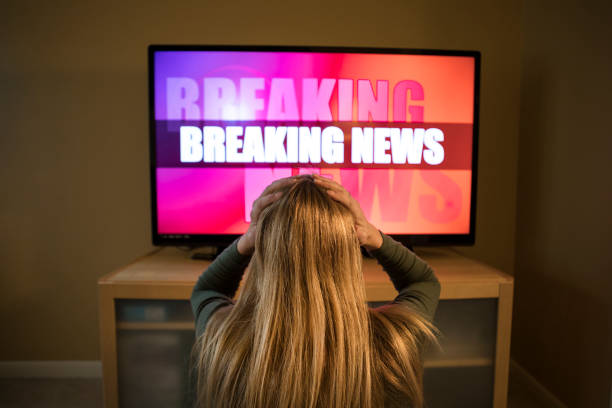
At this point, life feels like a simulation.
Every morning feels monotonous. My phone buzzes with breaking news, and I could easily be on my phone for hours. Before I am even fully awake, I am hit with stories of political violence, court rulings that drastically impact our nation or another tragedy that is sparking outrage within the country. Just this month alone, the Supreme Court has allowed ICE agents the ability to stop and interrogate someone based on factors such as race, the language the person speaks and many more.
In addition, Delta State University student Demartravion “Trey” Reed was found hanging from a tree on campus near a pickleball court, and Jimmy Kimmel’s show was removed from ABC following comments made about Charlie Kirk. Nothing feels real at this current moment in time.
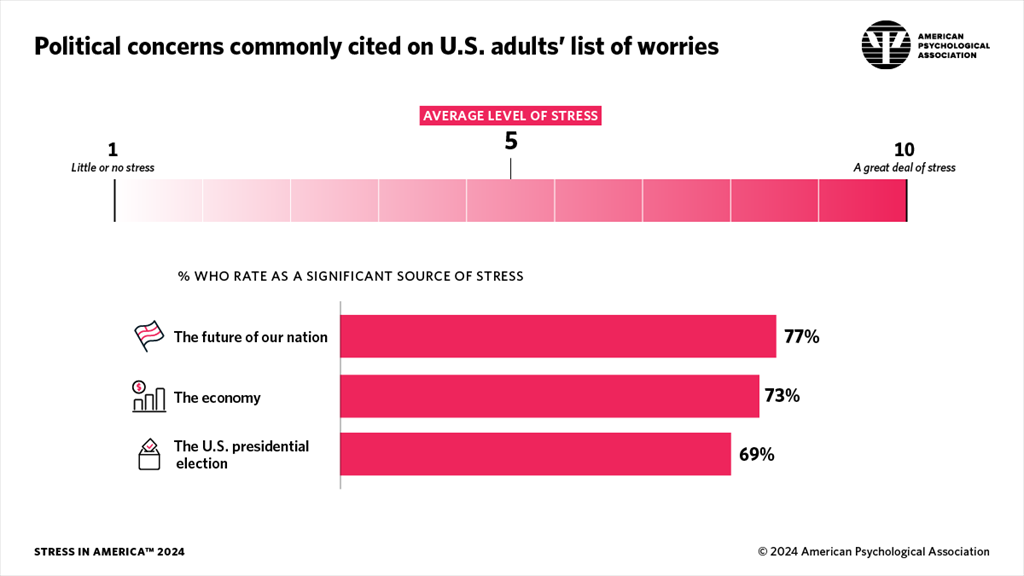
It is no wonder so many Americans feel worried, tired, or even on edge. I know I do. According to the American Psychological Association, 77 percent of adults said the future of our nation was a significant source of stress for them, while factors such as U.S. politics would cause a significant amount of stress to 62 percent of the adults who responded to the APA’s survey. The nonstop news about politics, protests, the economy and disasters can make it hard for people to relax and catch a breath.
For me, on the other hand, the weight of this stress is personal. As an African American male and current graduate student, these issues are not just something that can be swept under the rug, as these issues could potentially impact me and many others like me. When I read stories of people being racially profiled, such as Christian Cooper or Trayon Christian, I see this as something that could happen to me if I do not play my cards correctly. I fear becoming another statistic.
Starting graduate school has already sharpened my awareness. As early as my first semester, my courses have forced me to think differently about justice, inequality and reform. Before graduate school, I worked with different political nonprofits and researched wrongful convictions, which deepened my passion for change. Some days I feel especially inspired to create change with my work.
On the other hand, some days make me want to throw my phone across the room. I would doomscroll on my phone late at night, looking for the latest updates on a particular story. As a result, I would feel exhausted the next morning because of how long I spent on my phone the night before. However, I have noticed that this is not something that I should be doing, because it not only impacts my physical health, but my mental health too.
Even in the midst of all of this chaos, I have had to learn the importance of protecting my peace. Personally, this means limiting the number of times that I check for updates on breaking stories. I am the type of person who needs to know the latest, but it does help to unplug for my own well-being. The story will also be there when I feel both physically and mentally ready to look at it.
Protecting my peace also means depending on both my friends and my family for support and advice. My family and friends mean everything to me, and they are the people that I rely on when I need to vent (sometimes even for hours… Yes, I have done that before. Shoutout to my mother!) It could also be as simple as going for a walk with my dog or reminding myself that America is worth fighting for, even in times like this.
Right now, it feels like chaos is all around us. I talked previously about how I sometimes like not to know what is going on in the world, but this does not mean that I completely shut off from our world. It is all about balance. Staying fearful is what some politicians want us to do, but fear only keeps us divided when what we need is hope. I am not saying that we should start a protest, but I am saying that we should stay hopeful.
It would be hypocritical of me to say that I will always be put together, because there will be some days that are tougher than others. However, I know some ways in which I can counteract that. Staying sane is not just a coping mechanism; it is how we can prepare to use our voices for good.
Acknowledgment: The ideas expressed in this article are those of the individual author.