
Big Picture
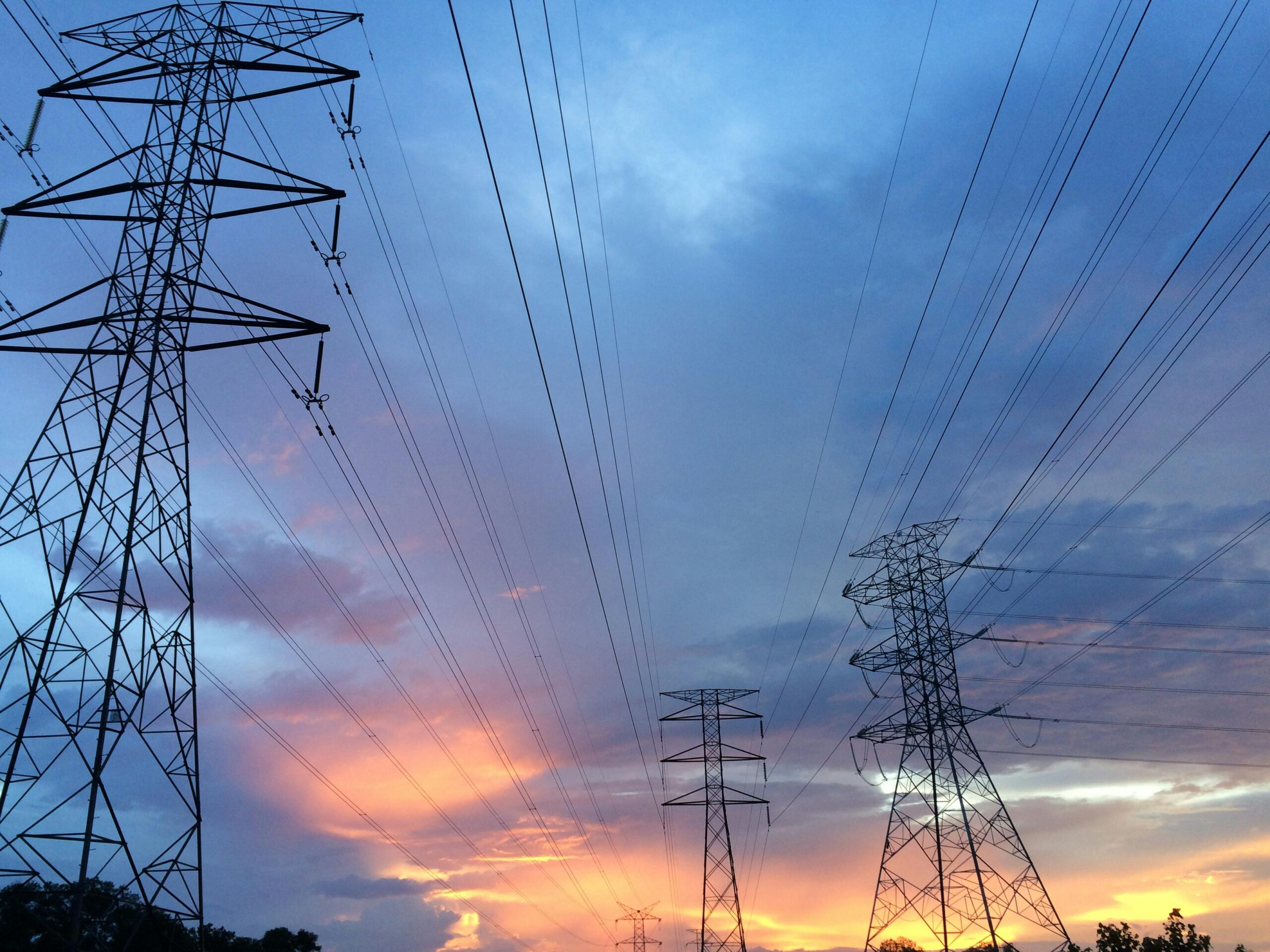
Large scale power outages are becoming increasingly common across the country, as extreme weather events, aging infrastructure, and rising energy demands place stress on centralized grids. Communities are left vulnerable to blackouts lasting hours or even days, impacting hospitals, schools, and households, among countless other aspects of community life.
One promising way to address this is through community-owned microgrids: localized, renewable-powered systems capable of operating independently when the main grid fails. By giving neighborhoods control over their energy production and storage, microgrids enhance resilience and also promote sustainability and equity. This proposal outlines a plan to fund and scale community-owned microgrids, creating a cleaner, fairer, and more reliable energy future.
Operative Definitions
- Microgrid: A localized energy network that can operate independently or in conjunction with the main power grid, often powered by renewable energy and energy storage.
- Energy Resilience: The ability of a community or system to withstand and recover quickly from power disruptions.
- Energy Equity: Ensuring all communities, regardless of income, have access to affordable and reliable energy.
- Renewable Energy Integration: The process of incorporating energy sources like solar, wind, and hydro into local power systems.
Important Facts and Statistics
- Power outages affect around 1 in 4 Americans annually
- Rural communities experience about 55% more power outages than urban communities.
- Power outages are 83% more frequent and last 140% longer in lower-wealth and minority communities.
- Clean energy microgrids can reduce the impact of power outages by a factor of up to 30.
- Renewable-powered microgrids can lower greenhouse gas emissions by 40% while cutting long-term electricity costs.
- A 2025 study showed that a strategic islanding approach for microgrids in California could reduce blackout durations by over 90%.
Four-Point Plan
(1) Establish a federal Community Microgrid Fund.
Create a dedicated federal grant program to help communities design, build, and maintain microgrids. Priority funding would go to underserved areas most at risk from outages and energy insecurity.
(2) Incentivize renewable energy integration through tax credits.
Offer tax incentives for homeowners and businesses that contribute renewable energy resources, such as rooftop solar or small wind systems, to community microgrids. These credits would lower upfront costs and encourage widespread participation.
(3) Build local ownership models
Mandate that federally funded microgrids be community-owned cooperatives rather than private utilities. Residents would hold shares, vote on decisions, and benefit directly from energy cost savings, ensuring fairness in development and implementation.
(4) Invest in workforce training for clean energy jobs.
Partner with trade schools and community colleges to train local workers in microgrid installation, maintenance, and renewable energy management. This approach strengthens local economies while addressing workforce shortages in the clean energy sector.
Why This Initiative Is Important
Microgrids offer a path to a more resilient, equitable, and sustainable energy future. By empowering communities to produce and manage their own power, we reduce dependence on outdated centralized grids, lower emissions, and protect vulnerable populations from the worst effects of climate-driven disasters. Unlike top-down energy reforms, this initiative prioritizes local decision-making and shared benefits, ensuring that the transition to renewable energy includes everyone.
Acknowledgment: The ideas expressed in this article are those of the individual author.
