
Coined by John Koenig in his book The Dictionary of Obscure Sorrows, anemoia is a term for the distinct feeling of nostalgia for a time you’ve never known, a longing for places you’ve never been. A short, little-known word, yet it holds more weight in our current political climate than most people realize. In much of President Trump’s political rhetoric, he often refers back to a time of great power and influence in American political history. Even his campaign phrase, Make America Great Again, reminisces back to a time when America was great, an ideal from which we have fallen. But what made that period in American history so great in the eyes of Trump?
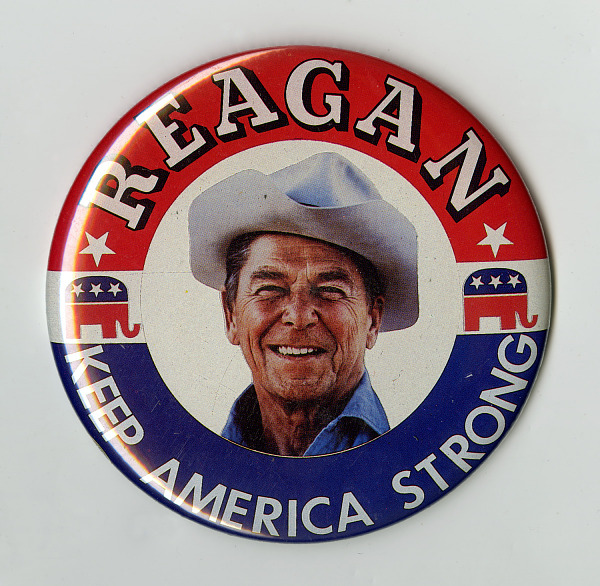
When referring to a time when America was “great,” Trump often cites a time similar to Reagan’s presidency, marked by economic revival, national strength, and “traditional values” (civic unity over cultural division). What Trump fails to cite alongside his rhetoric are the several other pressing economic issues of the Reagan Era: exploding national debt, income inequality, and the growth of US national debt from $900 billion to $3 trillion between 1980 and 1990. Not only was economic inequality rising greatly, but Reagan’s presidency was also marked by the HIV and Aids Crisis, mass incarceration, and a homelessness crisis.
The MAGA movement itself is a critical example of why it is so important not to let the political narrative be controlled by anemoia. Lack of direct, meaningful experience with the time period you are using as a model leads to oversight of key issues of that method of political or social mobilization. The average American has been persuaded for too long into believing that they would be better off under a system that, in practice, benefited corporations and high-income earners far more than it did the common American.
In my opinion, MAGA does not, and has never, properly represented the values of the Republican Party. I have close personal friendships and familial relationships with Republicans, and these are not the principles that they stand for. I myself am not a Republican, nor am I a Democrat. I can, however, understand that in order to lessen political polarization, there must be room for free and open debate, and we must actually understand the issues we are fighting for or against.
