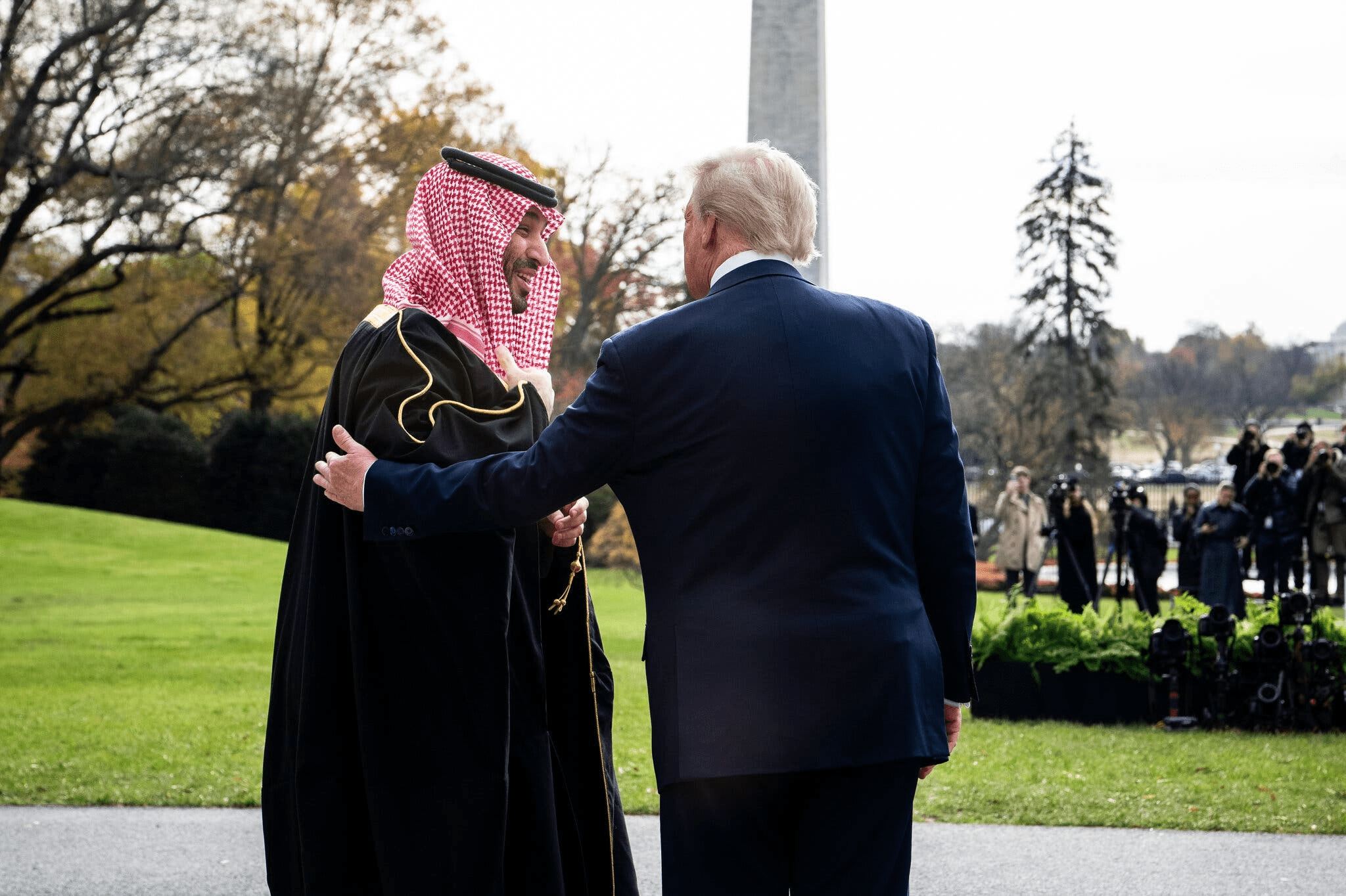
When Crown Prince Mohammed bin Salman walked into the Oval Office this week, he didn’t just bring the usual diplomatic pleasantries; he brought a checkbook that would make Elon Musk do a double-take. The Saudi leader’s commitment to invest nearly $1 trillion in the American economy is the kind of number that makes you check if you accidentally added a zero. But before we start planning what to do with all those new jobs and investment dollars, let’s pump the brakes and examine what this promise actually means for America.
Here’s what happened: Trump initially mentioned Saudi Arabia’s planned $600 billion investment, then playfully suggested his “friend” might bump it to a trillion. Within minutes, MBS took the bait and confirmed the higher figure. It was the kind of negotiation that makes you wonder if Trump should’ve started at $2 trillion just to see what happened.
But here’s the thing about these massive investment announcements: they often contain more sizzle than steak. During Trump’s first administration, the president touted $450 billion in Saudi investments. The reality? American exports to Saudi Arabia from 2017 to 2020 totaled around $92 billion, about one-fifth of the promised amount. A defense agreement supposedly worth $110 billion resulted in only $23 billion in actual arms sales that Congress was formally notified about.
This doesn’t mean the new investment pledge is worthless, far from it. Saudi Arabia remains a key strategic partner in an increasingly unstable Middle East, and any genuine investment in American manufacturing, technology, and infrastructure would be welcome. The kingdom’s Vision 2030 plan requires substantial diversification away from oil dependency, and American expertise in technology, healthcare, and financial services could play a vital role. Real Saudi investment could create jobs, strengthen our industrial base, and deepen economic ties that make future conflicts less likely.
However, we should approach these astronomical figures with the same skepticism we would apply to any business deal. The conservative principle of trust-but-verify isn’t just good sense; it’s essential when dealing with international commitments of this magnitude. We need transparent reporting mechanisms to track where this money actually goes, what projects it funds, and how many American jobs it genuinely creates.
There’s also the uncomfortable elephant in the room that we can’t ignore: Jamal Khashoggi. The Washington Post journalist was murdered in 2018 by Saudi agents, and the CIA assessed that MBS ordered the killing. During the Oval Office meeting, when asked about Khashoggi, the crown prince called it “painful” and a “huge mistake.” Trump defended his guest, noting that “a lot of people didn’t like that gentleman” and claimed MBS “knew nothing about it.”
This presents a genuine moral dilemma for conservatives who value both human rights and strategic national interests. We can acknowledge that Saudi Arabia is an important ally in a dangerous region while simultaneously demanding accountability for extrajudicial killings. These positions aren’t mutually exclusive; they’re essential to maintaining America’s moral authority while pursuing our national interests.
The real conservative approach here is clear-eyed pragmatism. We should welcome genuine Saudi investment that creates American jobs and strengthens our economy. We should support concentrated ties with a crucial Middle Eastern ally that shares our concerns about Iranian expansionism and radical terrorism. But we should also demand verifiable results, transparent accounting, and honest acknowledgment when promised investments fail to materialize.
The trillion-dollar question isn’t whether Saudi investment is good for America; properly structured, it absolutely can be. The question is whether this latest announcement represents a real commitment or diplomatic theater. Will we see actual factories, genuine technology partnerships, and measurable job creation? Or will we get another round of inflated promises that quietly deflate once the cameras stop rolling?
Trump’s relationship with MBS clearly opens doors for American business interests in the kingdom, and that’s not nothing. But conservatives should remember that our principles don’t disappear just because someone’s offering us money. We can pursue American interests without checking our values at the door.
The best outcome would be a genuine, transparent investment that benefits both nations while maintaining clear expectations about human rights and accountability. The worst outcome would be empty promises that make for good photo ops but don’t deliver for American workers. Let’s hope for the former while preparing for the possibility of the latter. After all, when someone promises you a trillion dollars, it’s not cynical to ask for receipts; it’s just good business.