

Decades ago, the tragic death of Princess Diana in a 1997 car crash highlighted the perils of relentless media pursuit. Pursued by paparazzi through the streets of Paris, Diana perished in the Pont de l’Alma tunnel alongside her companion Dodi Fayed and driver Henri Paul, who was found to have been intoxicated. Although several photographers were initially arrested and charged with manslaughter for allegedly contributing to the accident through harassment and invasion of privacy, a French court ultimately acquitted them in 1999, ruling that the primary cause was the driver’s impairment rather than the paparazzi’s actions. A subsequent 2003 ruling cleared three additional photographers of privacy invasion charges, emphasizing the press’s freedom to cover events in public spaces. While Diana could no longer share her perspective, global outrage condemned the paparazzi’s intrusive tactics, sparking debates on celebrity privacy that resonate today.
In our current digital age, the landscape has evolved dramatically. Social media has democratized scrutiny, transforming not just journalists but ordinary netizens into arbiters of public figures’ lives. This “online trial” phenomenon invades the personal spaces of celebrities and high-profile individuals, turning their relationships into fodder for public gossip.
Notably, the vitriol frequently targets not the public figures themselves but their spouses or partners, subjecting them to unfounded rumors and harassment that can erode mental health and strain relationships. French First Lady Brigitte Macron’s daughter, Tiphaine Auzière, said how false claims alleging her mother was born a man caused her “deep anxiety” as a result of persistent online harassment.
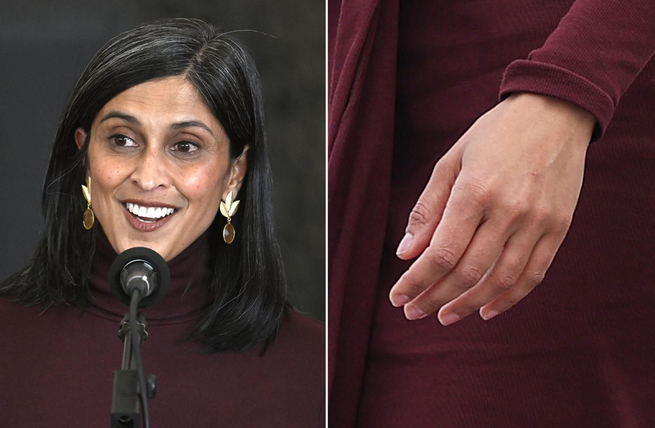
A striking recent example involves U.S. Vice President-elect JD Vance and his wife, Usha Vance. Amid baseless divorce rumors circulating online, Usha was spotted without her wedding ring during a November 19, 2025, outing with Melania Trump at a public event. Social media users quickly fueled speculation, interpreting the absence as evidence of marital discord despite the couple’s frequent joint appearances hand-in-hand. The controversy escalated to the point where Usha’s spokesperson issued a clarification, explaining that as a busy mother of three young children, she often removes her ring for everyday tasks like washing dishes and bathing the kids, sometimes forgetting to put it back on. This incident underscores how innocuous oversights can ignite viral storms, forcing private explanations into the public domain.
The scrutiny intensified further when JD Vance shared an emotional hug with Erika Kirk, the widow of Turning Point USA founder Charlie Kirk, during a TPUSA event in Mississippi in late October 2025. The embrace, captured on video and photos, drew aggressive criticism online, with some interpreting it as inappropriate and others unleashing obscene comments about Erika’s personal life in the wake of her husband’s recent assassination. Mainstream media outlets amplified the backlash, prompting Erika to address the chatter publicly. She explained that her “love language is touch” and dismissed the outrage, even joking that she might have faced less hate if the gesture had been more exaggerated. Such episodes reveal the toxic underbelly of social media, where grief and platonic interactions are weaponized against vulnerable individuals.
Similar patterns emerge in other high-profile cases. White House Press Secretary Karoline Leavitt, aged 28, has faced relentless offensive over her 32-year age gap with her husband, Nicholas Riccio, 60. The couple, who married in January 2025, just before Donald Trump’s second inauguration, and share a young son named Niko, have been subjected to online mockery since their relationship became public. In a November 2025 interview on the “Pod Force One” podcast, Leavitt openly addressed the challenges, admitting the age difference was initially “unusual” and difficult for her parents to accept, but emphasizing their strong bond.
Across the Atlantic, French First Lady Brigitte Macron has endured years of baseless social media campaigns alleging she is transgender and was born male. These conspiracy theories, which originated online in 2021, have led to harassment trials in France, with ten individuals facing court in October 2025 for spreading the falsehoods. The Macrons have pursued legal action in both France and the U.S. to combat the rumors, which have been amplified by far-right influencers and even inadvertently fueled by media silence on the issue. Despite the couple’s 24-year age gap also drawing commentary, the transgender claims represent a particularly vicious form of dehumanization.
Perhaps no relationship has faced more sustained global dissection than that of Meghan Markle and Prince Harry. Since their 2016 romance went public, the couple has navigated intense scrutiny, including rumors of marital strife amplified by their decision to step back from royal duties in 2020. Recent reports reveal Harry “tracked” Meghan on social media before their first date and warned her about the media onslaught during their engagement. Their ups and downs—common in any marriage—have been endlessly parsed, from alleged intense texting in the early days to ongoing speculation about their life in California. However, as with all these cases, trolls often overlook a fundamental truth: celebrities and their partners are human, entitled to imperfect relationships without constant public judgment.
In an era where social media empowers anonymous attacks, it is crucial to remember the human cost. While press freedom protects coverage of public actions, the line blurs when speculation invades private spheres, especially targeting spouses who did not seek the spotlight.
Whereas curtailing freedom of expression through Governmental policy can have negative outcomes—given that any new regulation could be weaponized for political or personal vendettas by those in power—governments could instead initiate awareness campaigns to promote responsible behavior among citizens and encourage more ethical conduct from the media. As society grapples with these dynamics, such initiatives could foster empathy and accountability online, mitigating the harm and ensuring that public figures’ personal lives are not perpetually on trial.
