

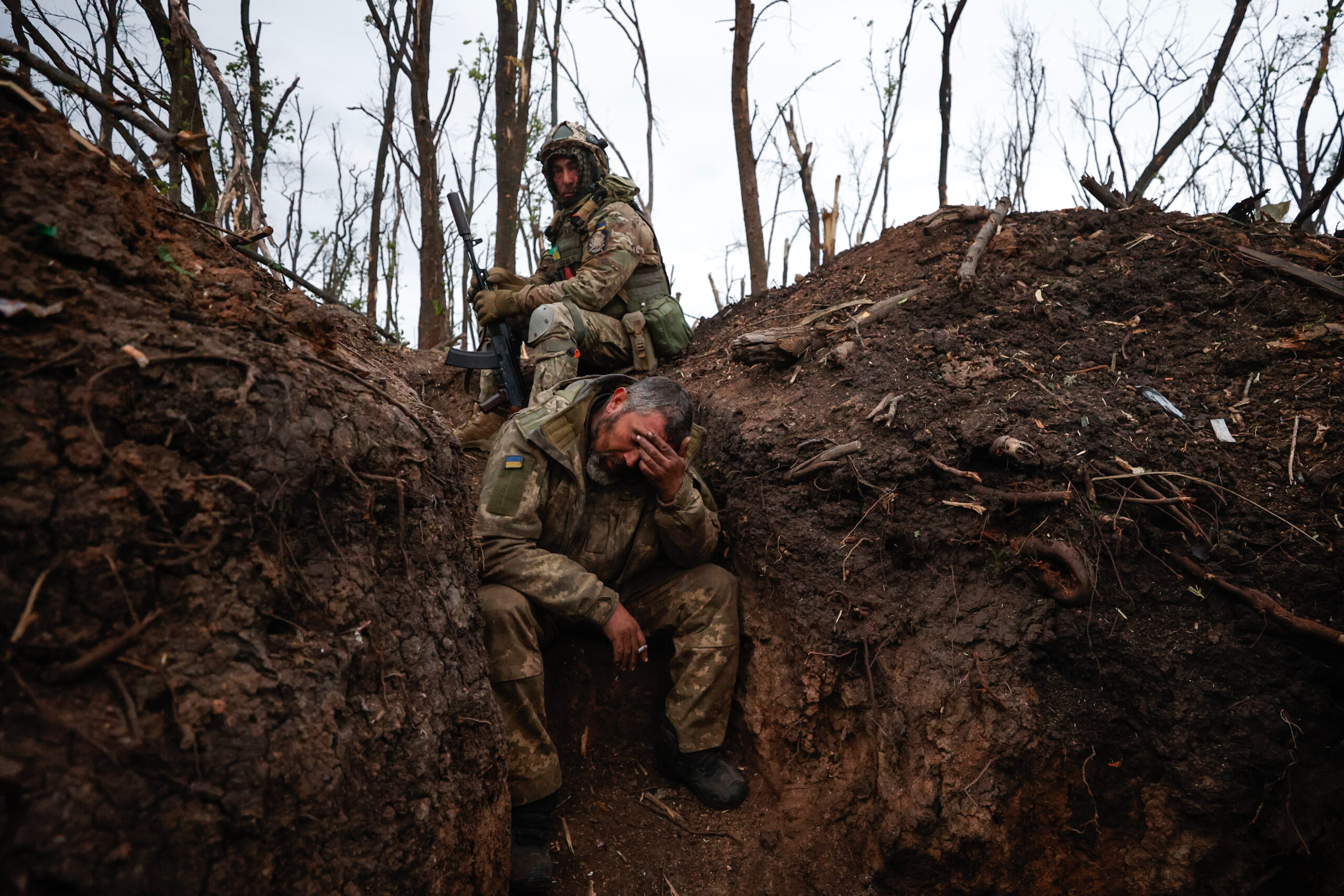
As a tentative peace deal has gone into effect in Gaza, President Trump seems intent on delivering on his other campaign promise of bringing an end to the war in Ukraine. However, peace seems an unlikely outcome with Ukraine facing a significant corruption scandal and Russia remaining inflexible in negotiations. Trump has attempted to leverage past American aid and his relationship with Vladimir Putin to bring both sides to the table, yet further European support for Ukraine, as well as more effective Russia recruitment, has assured both sides that they can sustain further conflict. Adding up these factors we can see that peace talks will remain futile, despite how much Trump strong-arm’s the deal.
On its face the corruption scandal facing Zelensky’s administration seems like it may force him to break bread with Putin. His former business partner Timur Mindich has been charged with laundering $100 million in government energy contracts, a dangerous hit to Zelensky’s reputation as he tries to maintain foreign aid, just months after Trump paused U.S. assistance–a pause that has since been lifted. Ukraine has also had to defend against Putin’s numerous accusations of corruption used to erode its legitimacy, undoubtedly placing the nation in a more challenging position during negotiations. Even if Zelensky was pressured into such a deal, which is extremely unlikely, Ukrainians cannot afford to accept it. Putin’s provisions such as preventing Ukraine from joining NATO and retaining territory seized in military aggression leave the country exposed to future reunification with Russia. The scandal itself, while embarrassing, speaks to the nation’s ability to hold itself accountable and drive to retain its democracy, freedoms that will surely be lost if these provisions are conceded to Putin.
The Russians, for their part, don’t seem at all interested in peace, continuing to threaten further conflict if Ukrainians do not give up the Donbas region they have fought over since 2012. Two factors seem to have further emboldened Putin to continue his threats. The first is his recent discussions with Prime Minister Narenda Modi of India who has offered to buy oil, to help compensate for the country’s economic losses from European boycotts on oil. In addition, Russia has reshaped its military recruiting, by increasing monetary incentives for enlistment to an average of $25,850, which is more than 25 times the average Russian monthly salary. Both the economy and manpower shortages were what would have made peace desirable for Putin, but with these problems solved he believes he can simply outlast Ukraine, or its leader. On December 6th, military grade drone activity was spotted just after Zelensky touched down in Ireland, showing that not only is Putin seeking to end the war through other means, but he is escalating his attacks to foreign airspace outside of Ukraine.
Unwilling to challenge Putin, Trump has limited aid to Ukraine in order to force a deal through. The EU has undercut this effort by deciding to fund the Ukrainian war effort with frozen Russian assets. With the Ukrainians fighting for existence, Putin undeterred, and both sides finding new resources to continue the fight, a peace deal seems unwanted.
