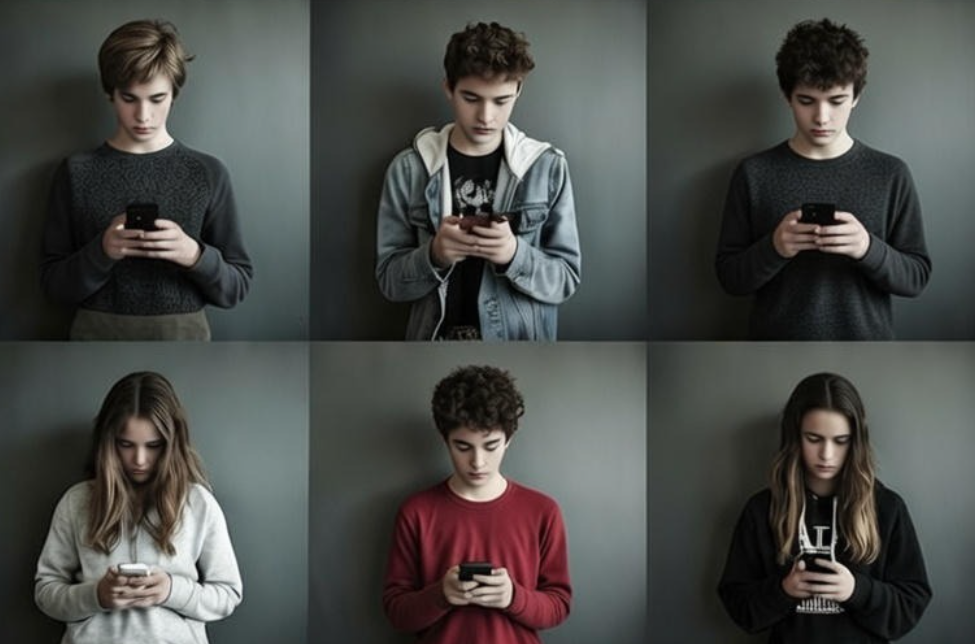
Australia’s groundbreaking ban on social media for users under 16 has sparked global debates, with supporters praising it as a vital step to safeguard young minds, while critics question its long-term effectiveness. The under 16 group is typically Generation Alpha who are born after 2010.
The Online Safety Amendment (Social Media Minimum Age) Act 2024 took effect on December 10, 2025, requiring platforms like Facebook, Instagram, TikTok, Snapchat, YouTube, X (formerly Twitter), Reddit, Twitch, and Kick to prevent Australian users under 16 from creating or maintaining accounts. The primary aims are to shield teens from cyberbullying, harmful content, and mental health risks such as anxiety and depression. As the ban rolled out, reports indicated that millions of underage users began losing access to their accounts. This marks the world’s first large-scale national age restriction of its kind, with penalties for non-compliant companies reaching up to AUD 49.5 million (approximately $33 million USD). Parents and children face no punishments for violations, emphasizing accountability on tech firms instead.
Australian Prime Minister Anthony Albanese framed the policy as a protective measure, stating, “We want our kids to have a childhood and parents to know we have their backs.” The move has rippled internationally, influencing discussions in countries like India and the United States.
In the U.S., a recent Fox News poll revealed that 64% of American voters support a similar ban for children under 16, with even stronger backing among Republicans (73%) and parents of minors (49.5%). Other nations have already implemented restrictions: China enforces strict “minor mode” regulations, limiting children’s gaming to one hour per day on weekdays and banning it between 10 p.m. and 8 a.m., alongside broader screen time curbs to combat addiction. The UK is advancing proposals for mandatory age verification on social media and explicit content, including amendments requiring “highly effective” age assurance to bar under-16s from platforms.
Yet, a critical question emerges:
- Will banning social media truly resolve these issues, or could it exacerbate them?
- Might it push kids toward unregulated or more dangerous alternatives?
Millennials, who were often in their teens or early 20s when platforms like Facebook exploded in popularity around 2006–2010, recall the pitfalls of sudden exposure. Back then, internet access was limited and expensive, often confined to cyber cafes, which built anticipation and led to addictive behaviors once barriers were lifted. Research supports this concern: Studies on social media addiction indicate that abrupt introductions can intensify compulsive use, with global rates ranging from 5% to 31% among users, and excessive exposure linked to self-harm, depression, and low life satisfaction. For today’s restricted youth, the ban might foster a sense of deprivation, making them more susceptible to overindulgence upon turning 16—a pivotal age of emotional vulnerability.
Consider emerging platforms like Discord, which boasts over 200 million monthly active users worldwide as of 2024, with 20.6% aged 16–24. While not explicitly banned in Australia, Discord allows unmoderated interactions between strangers and children, raising alarms. Recent lawsuits in Los Angeles and Riverside counties accuse Discord and Roblox of facilitating child sexual exploitation, highlighting how predators exploit these spaces. Roblox, popular among Gen Z, faces nearly 80 consolidated lawsuits for similar failures in child safety.
Globally, addiction patterns are shifting. Gen Alpha in the U.S. shows less interest in traditional platforms like Facebook, favoring instead short-form video apps and online gaming—which parents often struggle to control.
A study shows that Generation Alpha is more addicted to online games and in fact they are much more addicted than previous generations. In fact, Gen Alpha’s social habits are different as they watch and scroll then post or comment, use DMs and AI assistants for personal interaction, they follow sports, trends, and creators without publicly engaging. The study also shows that 40% of teens have chatted with an AI for emotional reasons, which has raised serious concerns for their mental health.
So a ban on social media might cut them further from the real world.
Also the question remains, how many platforms can governments realistically ban or age-restrict? There are chatbots, online games, and exposure to strangers.
Delaying access until 16 might protect children temporarily, but sudden exposure at that sensitive stage could heighten vulnerability rather than build resilience.
Instead of outright bans, perhaps the focus should shift to education, parental tools, and platform accountability. As debates rage from Australia to Europe and beyond, one thing is clear: Protecting youth online demands nuanced solutions, not just quick fixes.