
The Tariff Squeeze
By Erol Yilmaz
Trump’s latest 25 percent tariff hammer on Iran’s trading partners might seem tough, but it is a practical move to pressure the regime without dragging us into another long conflict. It feels like an overdue step, finally recognizing that the long-standing ‘band-aid’ approach we relied on for decades has only led to greater problems. With unrest escalating in Tehran and bodies piling up in Tehran’s streets due to government crackdowns, this economic chokehold forces those supporting the regime to pick a side: embrace democratic change or continue the theocratic stonewalling. Critics bleat about risks, but isn’t escalation the ghost we’ve been chasing by doing nothing? Strength, applied judiciously, might just crack the facade.
False Hope in Iran
By Alexia Silva
Protests erupt in Iran every few years, and recently, we have witnessed the Iranian people rising up against their government. President Trump stated that he would consider military action if protesters were killed; however, thousands have died, and no such action has been taken. It seems unfair and misleading to give the Iranian people false hope that help was on the way. Currently, the protests are mostly contained, raising the question of what the path forward will be for the Iranian people in their struggle to overthrow the oppressive regime they live under.
The Wrong Privacy Fight
By Briana Leibowicz Turchiaro
With Google’s announcement of enhanced A.I. integration in Gmail services, some people have raised privacy-related concerns on A.I. “reading” users’ inboxes — as if A.I. is a gossip-obsessed magazine reader, desperate to learn about your thousands of subscriptions and coworker conversations. While these privacy concerns are not completely unfounded, they may be misplaced. These A.I. functions can significantly improve personal and organizational productivity, greatly enhancing communication in the workplace. It is important to note that while these functions do allow Google access to user metadata, this practice is not new. Concerns about recent developments appear misplaced, given the vast personal information already in Google’s ecosystem. These issues should have been addressed much earlier.
Isolation Is an Illusion
By Jason Lee
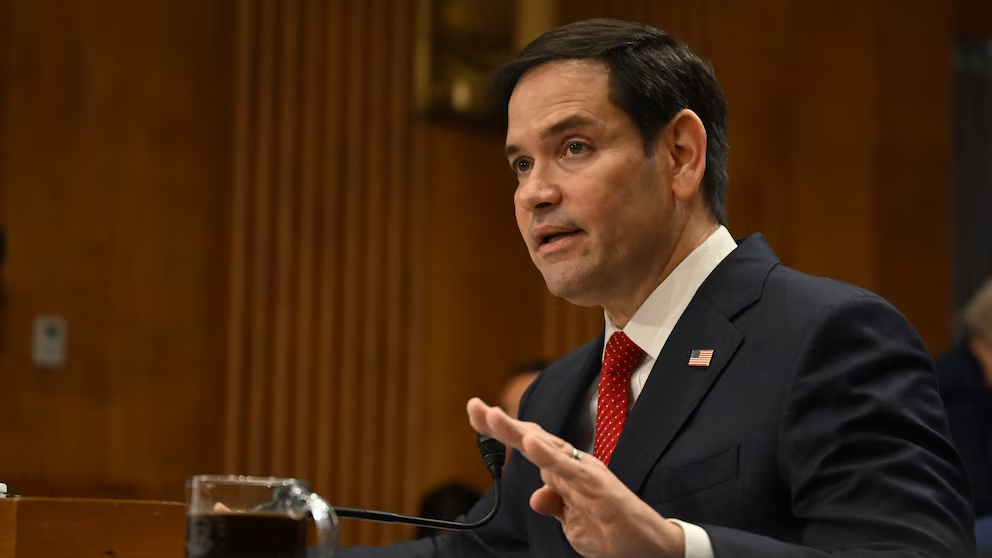
There’s a growing number of isolationists—both on the right and the left—who believe that involvement in foreign affairs is a waste of time and money, particularly when the American people are struggling. While I do think we need a major refocusing on domestic affairs, this doesn’t mean we should retreat from America’s role on the world stage. Contrary to the beliefs of some progressives, intervening against authoritarian regimes is beneficial for global stability and human rights. Similarly, some conservatives mistakenly think America can thrive without strong connections to trade and military partners around the world. Just because the Trump Administration conducted its foreign policy haphazardly does not mean we should completely discard the importance of foreign affairs. While engagements may seem chaotic to Americans, they are necessary and must be addressed. Isolationism can sound appealing and pragmatic, but such populist rhetoric doesn’t align with the realities of international politics.
The Cost of Hyperindependence
By Megan Fincher
Hyperindependence has plagued American society and diminished the potential for healthy cooperation among different genders, ages, and other demographics. Since men have shifted away from traditional family businesses toward nine-to-five jobs, society’s ability to function in a neighborly way has declined significantly. This shift has led to a disconnect in the roles of men and women. Traditional perspectives often viewed women as “domestic” and men as “workers,” which allows those on the right to overlook the importance of cooperative family economics. Meanwhile, individuals on the left use hyperindependence to avoid both emotional and physical responsibilities towards romantic partners and family members, such as parents. However, the reality is that neither mindset leads to fulfillment for all members of a family unit or community. Ultimately, the attitudes held by both sides prevent the reestablishment of mutual relational responsibility. One side promotes emotional irresponsibility in men, while the other encourages disloyalty, uncommittedness, and laziness.
Are Allies Our Enemies?
By Garrison Rushing
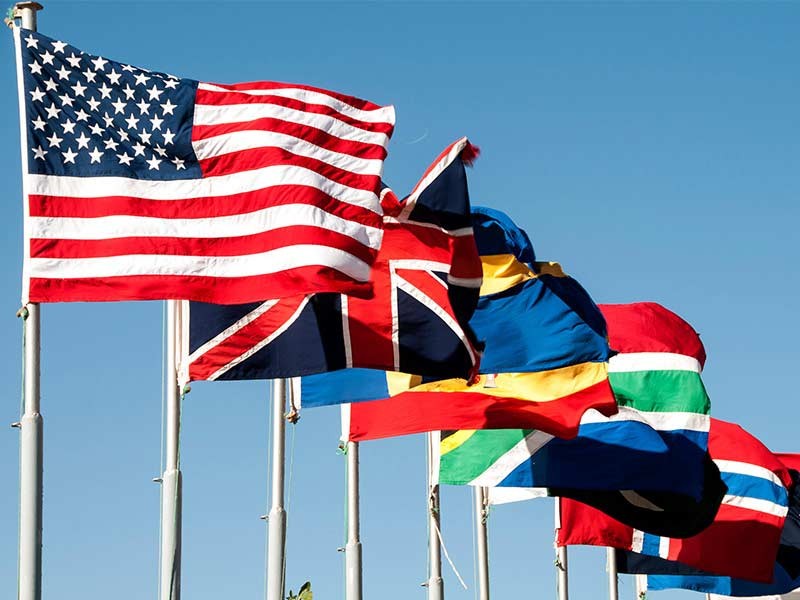
Trump’s actions during his presidency, especially in the last few weeks regarding Greenland, have undermined decades of carefully cultivated diplomacy. International politics is not a zero-sum game, as Trump and many Americans seem to perceive it. We can thrive alongside our allies. The financial support we provide to NATO and our assistance in protecting smaller countries are not solely acts of goodwill; they also open up markets for us, granting us a level of dominance and influence over other countries that is increasingly waning as they realize they can no longer rely on us. For instance, we see Canada forging deals with China, and the EU canceling trade deals. Many support Trump’s approach, believing it entails renegotiation to secure what we deserve, but some benefits may only become apparent after they have been lost. It has been suggested that the “American Empire” is in decline, and Trump is accelerating this process. I worry about a future in which the U.S. is no longer a leader in promoting peace and stability, focusing instead on trade that benefits only us rather than our allies.
A Win A Day Keeps the Humble Away!
By Dominick Blanda
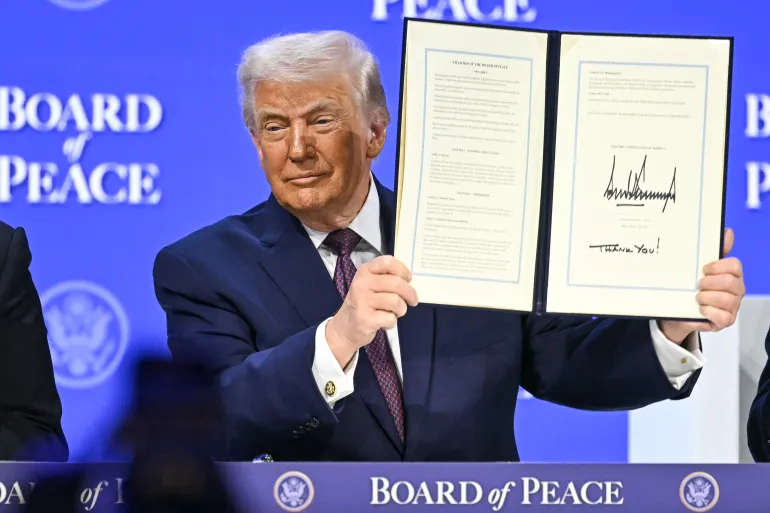
President Trump is a lot of things, but humility does not appear to be one of them. It’s understandable, considering he is a billionaire mogul and the most powerful man in the world, now entering his sixth non-consecutive year in office. His accomplishments over the past year reflect strong economic growth, a decline in net migration, a record-breaking decrease in homicides, and successful peace deals that have ended international conflicts. Additionally, he has achieved 360 more successes beyond these milestones (The White House, 2026).
Although his approval ratings hover in the mid-40’s (Goldmacher et al., 2026), his victories in the second term have already reached triple digits and continue to rise. Don’t you forget that—and if you do, Trump will be sure to remind you!
Trump’s Help is Still on the Way to Iran
By Suzzy Majumder
President Trump’s comment, “help is on the way” to Iranian protesters, has sparked controversy. Some interpret it as a promise of immediate military intervention, while others see it as a gesture of support. The Iranian government reports over 3,000 deaths, but independent estimates suggest the toll could be between 12,000 and 20,000. Trump’s statement was likely intended to encourage the protesters and demonstrate US support. However, the lack of concrete action has led to frustration and criticism on social media. Iranian activists remain hopeful for US help, highlighting the complexities of international diplomacy. Trump has threatened military action against Iran if they continue to crack down on protesters, stating he would “wipe them off the face of the earth”. Yet, the long-pause following his promise of help has caused resentment and has drawn criticism even from right-wing media outlets like Fox News.
The Concept of a Plan
By Chandler Flowers
On Wednesday, Trump collaborated with NATO Secretary General Mark Rutte to negotiate a deal to acquire Greenland, a move that has sparked criticism from Greenlanders who do not wish to become part of the United States. As of Thursday, the details of the deal have not been made public, but Trump provided a summary of the situation to CNBC on Wednesday, stating, “We have a concept of a deal”.
This “concept of a deal” is indicative of how Trump has been operating the United States over the past year. He has imposed tariffs without a clear plan for how they will benefit the economy. Although he promised lower prices as a result of these tariffs, costs have increased instead. He also wants to change the Affordable Care Act, but the extent of those changes remains unclear. For Trump to be a more effective president, he needs to move beyond vague concepts and provide more concrete plans to make America great again.