

Is Affordability Overstated?
By Briana Leibowicz Turchiaro
The affordability crisis has been overdramatized by both the left and the right. While it is true that prices in many sectors are at an all-time high, this should not be the sole metric used to assess “affordability.” Instead, affordability should be evaluated through a holistic approach that considers price, inflation, and wages. Although inflation has increased costs in various parts of the economy, wages have also risen, complicating the narrative that price is the only relevant factor in the analysis of an affordability crisis.
Can’t Take our Eyes off of Minnesota
By Dominick Blanda
Americans seemed to have forgotten about the worldwide pandemic following the death of George Floyd. Concerns over COVID-19 became a secondary issue as protests against racism and for transgender rights gained momentum, overshadowing the importance of social distancing and mask-wearing. Polarization intensified, and cities across America experienced significant unrest. This new wave of civil disorder became the “new normal,” which began in Minnesota. A cryptic post from 2013 by Charlie Kirk has resurfaced, stating, “Keep an eye on Minnesota.” From the onset of protests in 2020 to recent revelations of billion-dollar frauds, retiring governors, mayors dancing poorly, and ongoing civil unrest, Minnesota has captured the nation’s attention like never before.
Second Thoughts on the 2nd Amendment
By Garrison Rushing
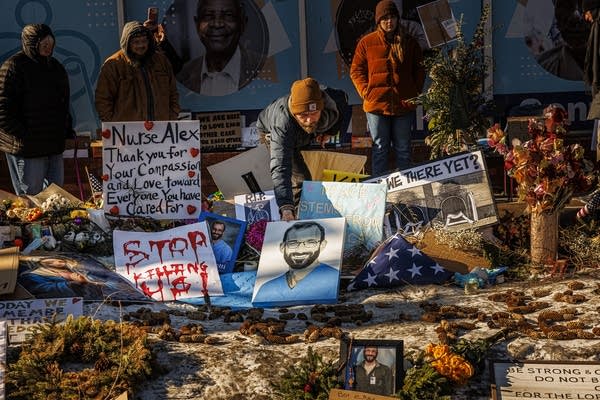
It has been quite surprising that many who defended Kyle Rittenhouse’s use of a firearm in self-defense during the riots in 2020, just 5 years later, condemned Alex Pretti for bringing a firearm to a protest, a firearm he never even unholstered. On the flipside, it has also been unusual to see those who are staunchly anti-gun defend Pretti’s decision. This highlights how inconsistent politicians can be in their positions when it suits their narrative, demonstrating a lack of concern for the foundational rights of all Americans. The Second Amendment is a key component of American identity, allowing us to protect our freedoms. This right is not just for white men like Pretti and Rittenhouse, but for all Americans. Therefore, the death of a man for simply exercising this right should concern us all. Hopefully, this serves as a wake-up call for liberals, showing that owning a gun is not merely an archaic conservative value, but an essential safeguard against the growing authoritarianism they fear.
Drama Kills
By Jason Lee
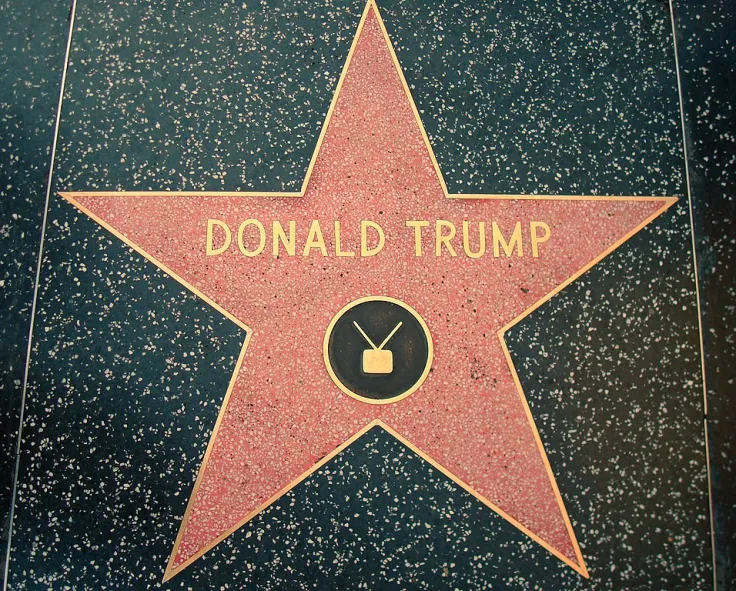
Some critics label President Donald Trump and his administration as “fascist.” While I condemn the incompetence and extremity of Trump’s deportation operations during his second term, using this term oversimplifies the actual issue of his administration. Many of the problems are rooted in Trump’s desire to portray every action like a flashy television episode (which reflects his background as a television host and star). His pursuit of stronger border security and conducting deportations is not fascist; otherwise, President Barack Obama would also have to be labelled as such, given his border policies and deportation rates. However, in trying to implement those goals, Trump has been influenced by individuals in his administration, such as Border Patrol Commander Gregory Bovino and Homeland Security Secretary Kristi Noem, who are attempting to cater to a small segment of the conservative base that thrives on action and “owning the libs.” Recently, Trump seemed to recognize the necessity of change by removing Bovino from Minnesota and replacing him with the more reserved “Border Czar” Tom Homan, who was sidelined after criticizing Bovino’s approach to deportations. The horrifying killings and disruptions of communities should serve as a wake-up call for the President. In the pursuit of attention and drama, he has overstepped his mandate from his 2024 election victory. We can only hope that he continues to listen to more level-headed and professional voices, to prevent further tragedies.
The Case for Casual Airport Dress
By Alexia Silva
In recent years, many have expressed concerns that others are not putting as much effort into their appearances when in public spaces, especially at airports. Even Transportation Secretary Sean Duffy has advocated for dressing better in airports, suggesting that it could help restore civility to air travel. While I agree that there has been an increase in people dressing casually, I believe it is unrealistic to expect them to wear suits and ties to the airport. Air travel used to be primarily associated with the upper classes, which made the experience more spacious and luxurious. Nowadays, we are packed into planes like sardines; it’s not surprising that people choose to wear sweats and hoodies.
Trump’s $10B Tax Lawsuit
By Micah Allred
President Donald Trump is suing the IRS for $10 billion over leaked tax returns—documents he previously dismissed as “totally fake news” in 2020. Trump and his lawyers claim he actually paid “tens of millions” in taxes. However, the details are important: this amount includes payroll and household employment taxes, but not federal income tax. Trump paid just $750 in federal income taxes for the years 2016-2017. Now, our sitting president is demanding that U.S. taxpayers must more than double the net worth of an existing billionaire because a single federal employee leaked old tax returns that weren’t even accurate.
China’s AI Moment
By Suzzy Majumder
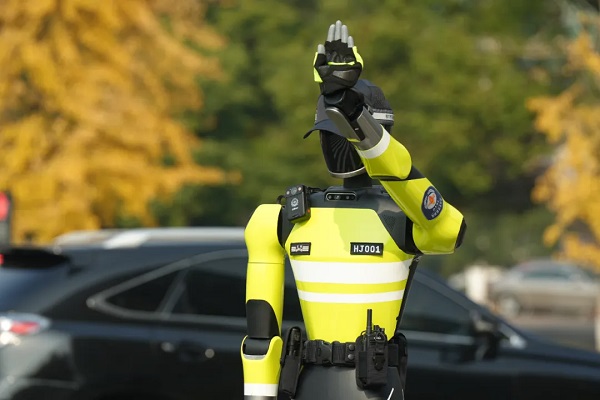
China has recently launched AI-powered robots to manage traffic, playing the role of traffic police and leaving developed countries astonished as of Saturday morning. Just a few hours later, Elon Musk posted on his platform, X, noting that China is rapidly increasing its electricity production, with solar as the largest contributor. Musk claimed that this growth “will exceed America by a factor of 3X either this year or next”. This development is concerning and underscores the need for the US to reconsider its recently implemented $100,000 fee for H-1B visa sponsorship. Without access to brilliant tech talent from around the world, the US may struggle to maintain its position as a tech giant. Meanwhile, China has introduced a new K visa category, effective October 1, 2025, aimed at attracting global talent in science, technology, engineering, and mathematics (STEM) to compete with the US’s tightening of H-1B visa regulations.