
As the Supreme Court delays its decision on Trump’s tariffs, these policies remain in effect. Without a promised set date to release the ruling, the impacts of the tariffs continue and, alongside it, the detrimental effects on international trade and cooperation.
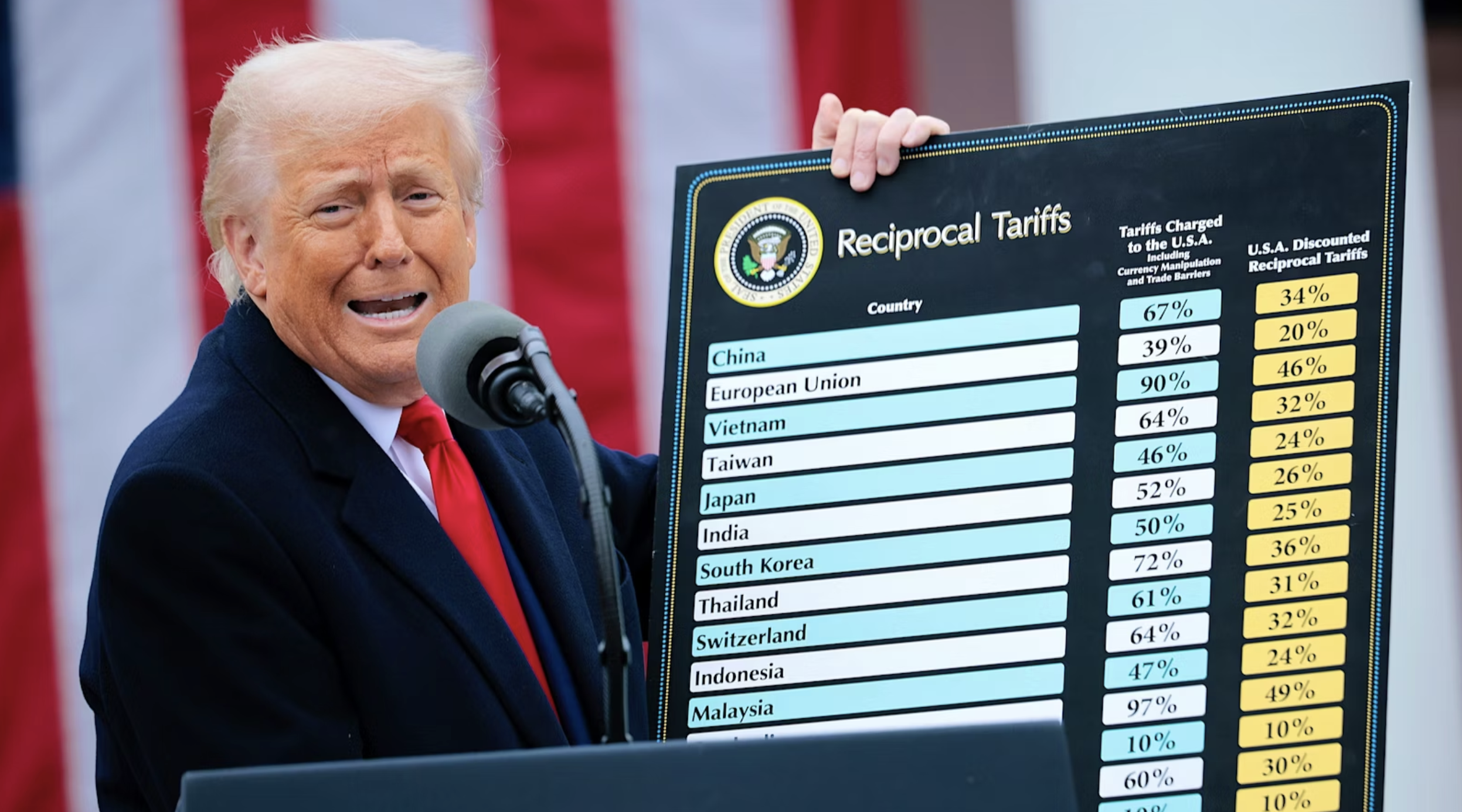
On Feb. 1, 2025, Trump fulfilled the promises he made before even officially entering office by implementing the “Trafficking” and “Reciprocal” tariffs against Canada, China and Mexico. All of which were framed as a response to a case of national emergency against undocumented immigration and drug trafficking.
The Trump administration wanted to kill two birds with one stone – generate more revenue whilst compelling these countries to stop the flow of fentanyl and illegal immigration. However, the tariff’s weapon has extended far beyond the beneficial area, now reaching levels that could harm U.S. citizens.
According to a recent study by the Tax Foundation, the tariffs would result in $2.1 trillion in revenue from 2026-2035. Simultaneously, it would reduce US GDP by 0.5%, even before considering the possibility of a foreign retaliation. Additionally, the burden of the cost of tariffs is usually shifted to consumers, causing them to pay higher prices.
The study also added that historical evidence suggests how these taxes can reduce the “available quantities of goods and services for US business and consumers, resulting in lower income, reduced employment and lower economic output.”
Besides impacting U.S. citizens, there is a more alarming harm to the damaged international relationships that are often built and sustained on economic cooperation. By implementing such aggressive tariffs, the U.S. sends out the clear solipsistic message – they are not afraid to use their vast economic power as coercion, even if it means potentially harming another state’s economy.
The tension can already be seen as China, Canada and the European Union have all announced retaliatory measures against Trump’s policies.
The implications of creating such tension are not sparse. Trump’s drastic measures cause international and local uncertainty, possibly leading to a stagnation in investment and, consequentially, economic growth.
Even from a legal standpoint, these policies are far outreaching the executive branch’s power.
The Court of Appeals agrees. In its recent decision, the court explained the long history underlining the guiding principle of the separation of powers and, specifically, the legislative branch’s historical control over tariffs. Ultimately, finding the policies unconstitutional under the International Emergency Economic Powers Act.
The court reasoned that the IEEPA clause being contested does not even mention the words “tariff” or “tax,” claiming the Trump Administration’s adoption of it for such policies is an overbroad interpretation.
Currently, the Trump Administration has eased off of some of the tariffs. For example, in November 2025, the U.S. reduced tariffs on all countries to zero for certain agricultural products and reduced cumulative tariffs imposed on China from 20 to 10%.
Besides this easing, there is a good chance the Supreme Court will rule against Trump in the current case. The case’s procedural history shows a pretty strong ground against these tariffs as both the Court of International Trade and Court of Appeals have ruled against the administration thus far. The Supreme Court also seemed especially skeptical during oral arguments, pointing to the potential striking down of the use of IEEPA for these tariff implementations.
There is great potential for the IEEPA tariffs to be struck down and the economic repercussions to be, hopefully, eased. However, some damage is irreversible. The tariffs have already created distrust in the international community that can linger far past the moment these policies would be struck down.