

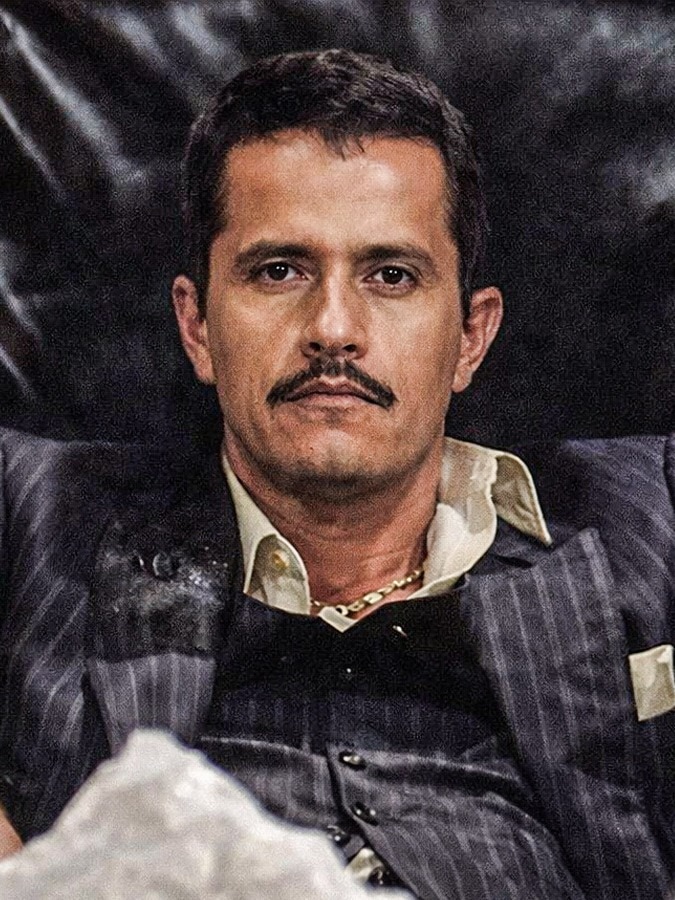
Mexican security forces have killed Nemesio Oseguera Cervantes, widely known as “El Mencho,” leader of the powerful Jalisco New Generation Cartel (CJNG). His death represents one of the most significant developments in Mexico’s ongoing effort to dismantle organized crime networks and has already triggered violent retaliation across parts of western Mexico.
The military operation took place in Jalisco after authorities located the cartel leader following years of evasion, a development outline coverage of the raid. El Mencho had long been considered one of Mexico’s most wanted figures, carrying a multimillion-dollar bounty from U.S. authorities.
Immediate Aftermath
In the hours following the operation, widespread unrest broke out across parts of western Mexico. Highways were blocked, vehicles were set on fire, and gunfire was reported in several cities. Dozens were killed in the retaliatory violence, including members of Mexico’s security forces. Authorities urged residents to shelter in place as they worked to regain control.
Meanwhile, Fox News’ reporting on weapons seized during the raid highlighted the military-grade equipment recovered at the scene, emphasizing the scale and firepower accumulated under CJNG’s leadership.
Who Was El Mencho?
Under El Mencho’s leadership, CJNG expanded rapidly and became one of the most powerful criminal organizations in Mexico. The cartel developed international trafficking routes and strengthened its influence across multiple regions.
His rise and the growth of CJNG were examined in The Guardian’s reporting on the cartel’s expansion and influence, which described him as a central figure in Mexico’s organized crime landscape. Despite previous attempts to capture him, El Mencho had avoided arrest for years.
Security analysts referenced across coverage note that CJNG’s decentralized structure may allow the organization to continue operating despite the loss of its leader.
U.S.–Mexico Cooperation
The operation involved coordination between Mexican authorities and U.S. intelligence agencies, a detail addressed in an Associated Press report on cross-border intelligence efforts.
At the same time, an analysis referenced in PBS NewsHour coverage examining cartel leadership strategies suggests that targeting cartel leaders does not always dismantle criminal networks. In some cases, leadership removals can lead to internal power struggles and short-term instability.
How This Connects to U.S. Policy
The seizure is part of a bigger U.S. campaign, intending to enforce sanctions on Venezuela’s oil industry. The goal of these sanctions is to limit funding to the Venezuelan government while pursuing political change. Supporters express their concerns that they restrict illegal finance streams. Critics worry that broad sanctions can deepen economic hardships for civilians.
This operation sends a signal that the U.S. intends to enforce sanctions far past Venezuelan waters, even in an open ocean.
What This Means Moving Forward
CJNG has been linked to fentanyl trafficking and cross-border narcotics operations impacting communities beyond Mexico. Concerns about the cartel’s reach into the United States were discussed in relation to CJNG’s U.S. connections.
Meanwhile, The Guardian’s broader geopolitical analysis pointed to the risk of instability within Mexico following the loss of such a high-profile figure.
- How far should governments go in targeting cartel leadership as a primary enforcement strategy?
- What measures can protect civilian communities when high-level cartel figures are removed?
- How will this operation shape future cooperation between Mexico and the United States?
El Mencho’s death represents a significant tactical development in Mexico’s fight against organized crime. Whether it produces lasting disruption or leads to further violence will depend on how security forces, political leaders, and rival factions respond in the weeks ahead.
Sources
Mexican army kills leader of powerful Jalisco New Generation Cartel during operation to capture him
Killing of cartel leader sparks retaliatory violence in parts of Mexico
