
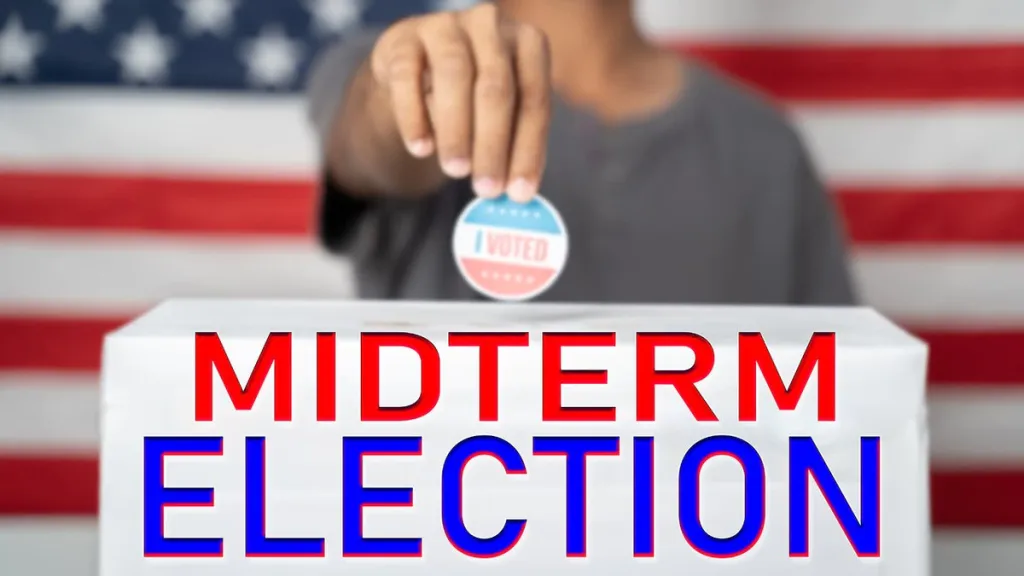
As the United States approaches the 2026 midterm elections, political analysts are increasingly focused on what the results could mean for the balance of power in Washington. Midterm elections historically serve as a referendum on the sitting president and often reshape the makeup of Congress.
In November 2026, voters across the country will cast ballots for all 435 seats in the House of Representatives and 33 seats in the Senate. The outcomes will determine which party controls Congress for the second half of the presidential term, potentially influencing legislative priorities, foreign policy decisions, and domestic policy debates.
A Historical Pattern in Midterm Elections
Midterm elections have long carried a pattern of shifting political momentum. Historically, the party that holds the presidency tends to lose seats in Congress during midterm cycles. Political scientists often attribute this trend to voter dissatisfaction, increased opposition turnout, and a desire among voters to create political balance.
This pattern has appeared in numerous modern elections, where shifts in congressional control significantly altered the direction of national policy. As a result, both major parties view the 2026 midterms as a critical opportunity to either defend or expand their influence in Washington.
Key Issues Driving Voters
Several issues are expected to shape the 2026 election cycle. Economic concerns, national security, immigration policy, and international conflicts are likely to play central roles in campaign messaging.
Foreign policy developments, including tensions in regions such as the Middle East and Eastern Europe, may also influence voter sentiment. At the same time, domestic issues such as inflation, energy policy, and public safety continue to dominate political debates across the country.
Campaign strategies are already beginning to reflect these priorities, as candidates frame their platforms around economic stability, national security, and the role of government in addressing emerging challenges.
Competitive Races Across the Country
While every seat in the House of Representatives will appear on the ballot, a smaller number of competitive districts often determine the overall balance of power. These battleground districts, typically located in politically divided regions, tend to receive significant attention and campaign spending.
The Senate map for 2026 also includes several closely watched races. Control of the Senate can hinge on only a handful of seats, making individual contests particularly significant in determining which party will guide legislative agendas. Political strategists from both parties are closely monitoring voter turnout patterns, demographic shifts, and regional political trends that could influence the outcome.
The Role of Younger Voters
Younger voters, particularly those from Generation Z, are expected to play an increasingly visible role in the upcoming election. Voter participation among younger demographics has grown in recent election cycles, reflecting broader engagement with political and social issues.
Many campaigns are now focusing on outreach through digital platforms and social media in an effort to connect with younger audiences. Issues such as economic opportunity, climate policy, and social justice often resonate strongly with these voters.
As younger voters continue to enter the electorate, their participation could influence the direction of future political debates.
A Defining Political Moment
Although the midterm elections are still months away, the stakes are already clear. Control of Congress will shape the legislative environment in Washington and determine how effectively the administration can advance its policy agenda.
For voters, the 2026 midterms will represent an opportunity to influence the direction of national policy and signal broader political priorities. As campaigns begin to intensify across the country, the results may ultimately redefine the balance of power in the federal government.
Questions Moving Forward
As the 2026 midterm elections approach, these developments raise broader questions about the role voters play in shaping the direction of national policy. Midterms often serve as a moment when the public reassesses the leadership and priorities of the federal government. The outcome will not only determine which party controls Congress but could also influence legislative momentum, oversight of the executive branch, and the direction of major policy debates.
- How much influence should midterm elections have on shaping or redirecting a president’s policy agenda?
- What role should younger voters play in determining the outcome of national elections, particularly as Gen Z participation continues to grow?
- How could shifts in congressional control after the 2026 midterms affect U.S. domestic policy and international relations moving forward?
As campaign activity increases in the coming months, political parties and candidates will continue refining their strategies in response to shifting voter priorities. For many Americans, the midterm elections will serve as an opportunity to evaluate current leadership and signal the direction they want the country to take. The results of the 2026 elections may ultimately reshape the balance of power in Washington and influence the national political landscape for years to come.
Sources
Midterm ‘blue wave’ could block Trump’s agenda and launch investigations – here’s what’s at stake
Photo source
