

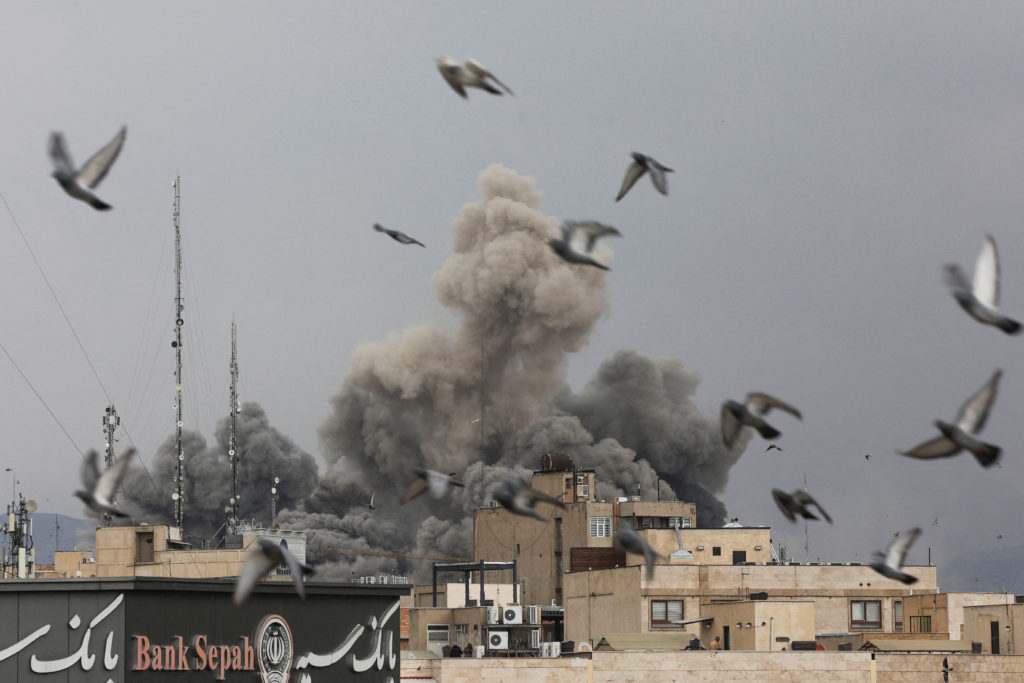
Global fuel prices continue to be volatile due to ongoing disruptions in the Strait of Hormuz and stalled ceasefire talks. The second round of U.S.-Iran peace talks, which was expected to be led by Vice President JD Vance in Islamabad, has been postponed indefinitely after Iran delayed its decision to participate.
President Trump has indicated that Iran’s economy is under significant strain, but he reiterated that the U.S. naval blockade on Iranian ports will remain in place until a deal is reached. In response, Iran has linked the reopening of the Strait of Hormuz directly to the lifting of the U.S. blockade.
Analysts have noted that hardline elements, including the Islamic Revolutionary Guard Corps (IRGC), maintain substantial influence over Tehran’s security decisions, complicating efforts to de-escalate tensions.
China and Russia have publicly called for a ceasefire and a diplomatic resolution while providing limited economic and technical support to Iran. Despite a two-week U.S.-Iran ceasefire announced on April 8, there have been reports of violations by both sides. The oil markets reacted sharply to the truce, with West Texas Intermediate (WTI) crude dropping approximately 15% and Brent crude decreasing about 5%, although prices remain elevated compared to pre-war levels.
With the initial ceasefire deadline passing on April 22, the next two weeks will be critical in determining whether diplomacy or further escalation will shape the conflict’s trajectory.
