

Since the sexual liberation movement in the sixties and seventies, female fashion trends in America have largely been shaped by the ideology that low-coverage clothing provides women with confidence and maturity. Today, however, many traditionalist women including Christian and Muslim women have been dedicating their time to promoting the idea that the sexual liberation movement is no less oppressive than those which came before. Individuals are starting to question the morality behind disguising the sexualized marketing of the female body as “freedom” for women, who now face the issue of objectification, with a thin line being drawn between appropriate wear, and obscenity. This article will bring the ideals behind sexual liberation in regards to female clothing into the line of question, and argue why modesty is more affirming to the security of women.
In order to understand how the sexual liberation movement led female clothing to become low-coverage, the morals behind the movement must be noted. PBS defines the morals behind the sexual liberation movement as backing sexual empowerment for women, who were believed to deserve expression of their sexual desires equally to men. The result of this movement for women’s sexual expression meant lower-coverage fashion trends, such as the wrap dress, which New York’s FIT describes as one that could be taken on and off easily to transition from day to night.
Alongside the already established miniskirt length bottoms of the sixties, low-coverage clothing became the new normal.
The issue with this concept is that it creates a tricky situation surrounding what is appropriate for the public, and what is private. For example, women wearing only their underwear outside is considered inappropriate, but swimsuits today for women look the same as underclothes. Additionally, celebrities’ outfits typically fall into debate because of the fine line between what is considered “artistic expression of the female body” and what is considered distasteful. An instance of this involves various “semi-nude” outfits at awards shows such as the most recent Chappel Roan outfit. These debates are just some in many that arise when the line blurs for sexual privacy and sexual openness.
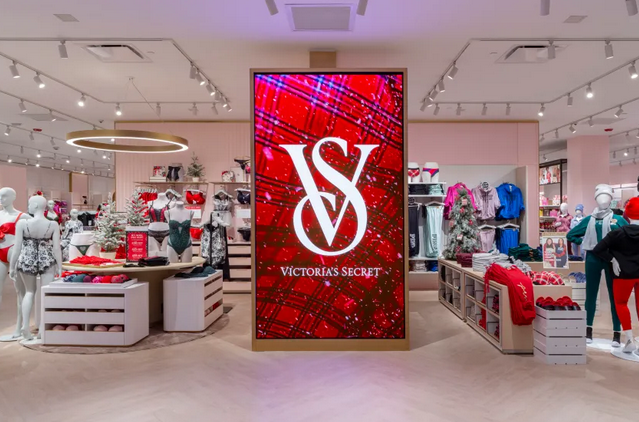
Alongside countless questions of privacy versus publicity, women have been questioning what identity as sexuality says about their personal dignity. It’s possible that attaching expression to sexuality minimizes other components of women in the eyes of peers, these traits including intellectualism and genuine worldly contribution. Traditional women recently have been using modesty, or higher-coverage clothing, to force others to look past bodily attributes towards people themselves. These women are also questioning the original intent behind the liberation movement itself, assessing the possible revelation that men were at the root, with the intent to turn women’s bodies into a product. This is supported by the fact that many popular lingerie companies, such as Victoria’s Secret, are forefronted by men. Most importantly, it’s arguable that the sexualization of women’s clothes is indoctrinating young women, leading them into industries that directly hurt their well-being in the future, such as pornography. Overall, these issues point to a need for society to address the issue of dehumanization of women through the very fashions that claim to empower them – and a potential necessity for a push of modesty as a new cultural normal.
Acknowledgement: The opinions expressed in this article are those of the individual author, not necessarily Our National Conversation as a whole
