

The global race to dominate artificial intelligence is no longer just about technology, chips, or economic power. It is increasingly becoming an environmental battle — one that ordinary communities are beginning to feel in their drinking water, electricity bills, and local ecosystems.
Recently, Congresswoman Alexandria Ocasio-Cortez brought this concern directly into the political spotlight. During congressional testimony, she displayed jars of discolored drinking water collected from Morgan County, Georgia, near Meta’s Stanton Springs data center campus. According to residents, the water quality began deteriorating after construction started in 2020, involving large-scale blasting and clear-cutting operations. Families reportedly turned to bottled water, appliances broke down due to contamination, and local officials warned that water bills could increase by nearly 33 percent.
Her testimony reflects a larger reality: the invisible infrastructure powering artificial intelligence may be creating visible environmental damage.
Data centers are the backbone of the modern AI revolution. Every chatbot query, AI-generated image, cloud storage request, or streaming recommendation requires massive computational power. But behind the sleek digital experience lies a physical reality of enormous server warehouses consuming electricity and water at unprecedented levels.
According to the Environmental and Energy Study Institute, a medium-sized data center can consume as much as 110 million gallons of water annually, primarily for cooling systems. AI-focused facilities require even more energy because advanced processors generate extreme heat during operation. Cooling those systems has become one of the greatest environmental challenges of the AI era.
The environmental impact extends beyond water usage. Massive land clearing for construction destroys local vegetation and wildlife habitats. Backup diesel generators release pollutants into the air. Power demand from data centers is also increasing dependence on fossil-fuel-based electricity grids in many regions, undermining climate goals.
In parts of the United States, residents have already started questioning whether communities are sacrificing environmental safety for corporate expansion. In Arizona, local activists raised concerns about data centers worsening drought conditions. In Virginia — home to the world’s largest concentration of data centers — citizens have protested against rising energy consumption, noise pollution, and strain on local infrastructure.
The issue is not limited to America. Around the world, governments are competing aggressively to attract AI infrastructure investment, often without fully addressing environmental risks.
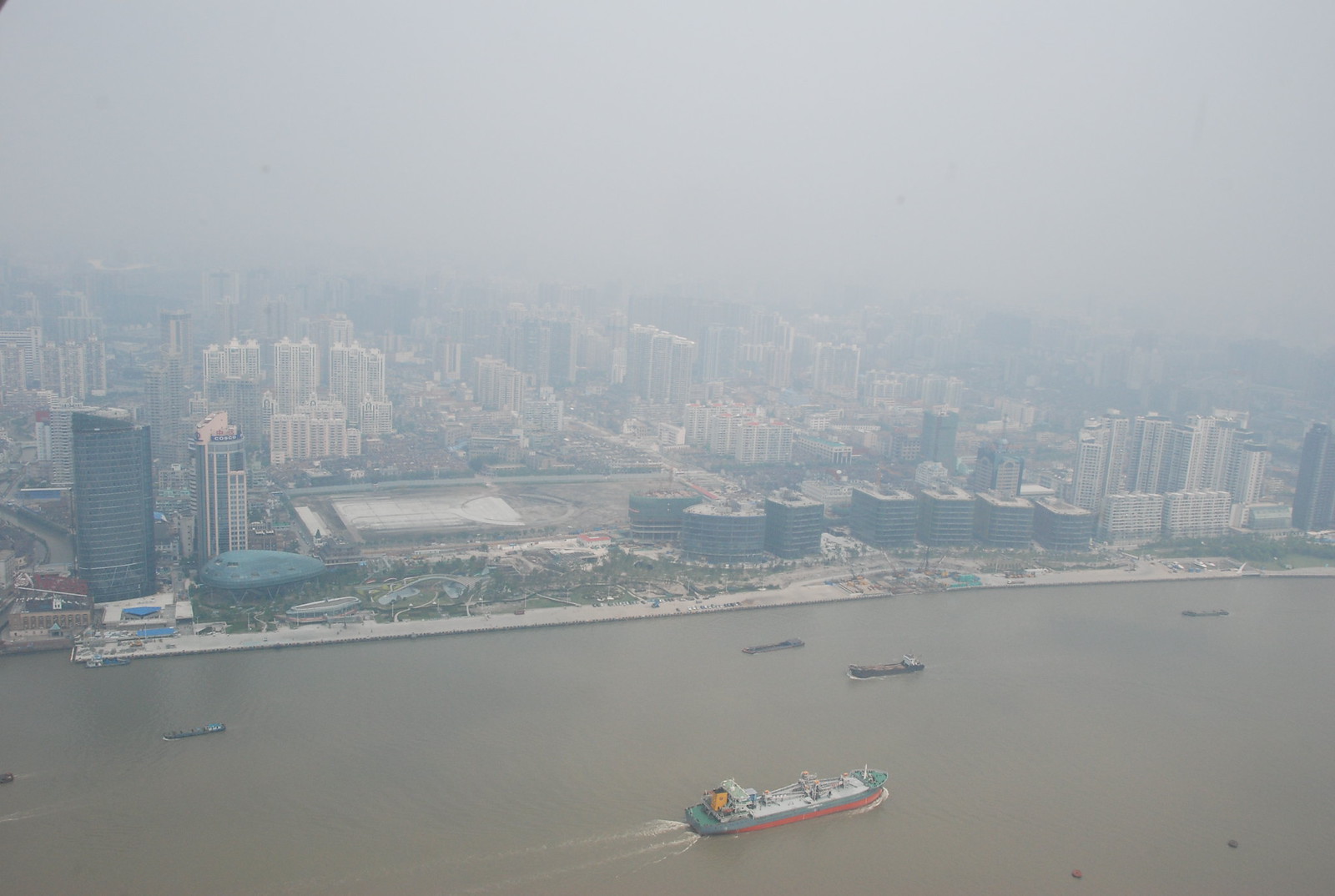
China recently launched what it describes as the world’s first fully commercial offshore underwater data center near Shanghai’s Lingang Special Area. The $226 million project uses seawater cooling and offshore wind energy to reduce emissions and land pressure. Supporters argue that such innovations could make AI infrastructure more sustainable. Yet critics warn that underwater systems may create new ecological uncertainties for marine environments, including thermal pollution and long-term ecosystem disruption.
Meanwhile, Ireland has struggled with soaring electricity demand from tech facilities. Data centers reportedly account for a growing share of the country’s national power consumption, forcing debates over whether energy should prioritize homes or tech corporations. Singapore temporarily paused approvals for new data centers due to concerns about energy and water sustainability before reopening under stricter environmental conditions.
Even public opinion reflects increasing anxiety. A recent survey by the Pew Research Center found that people hold more negative than positive views regarding data centers’ effects on the environment, nearby quality of life, and home energy costs. Many residents fear that while technology companies earn billions, local communities are left with depleted resources and environmental degradation.
Supporters of AI infrastructure argue that technological growth is unavoidable and economically necessary. Data centers create jobs, attract investment, and drive innovation in healthcare, transportation, and education. That argument is valid. Artificial intelligence will likely define the next industrial era.
However, economic progress without environmental accountability is unsustainable.
Governments worldwide are now facing a difficult question: how can they balance technological advancement with ecological protection? Stronger environmental regulations, transparent water-use reporting, renewable energy mandates and community oversight may become essential as AI expansion accelerates.
The AI revolution promises extraordinary convenience and economic transformation. But if its foundations are built on exhausted water supplies, damaged ecosystems, and rising public distrust, the cost may ultimately outweigh the benefits.
The future of artificial intelligence should not come at the expense of the planet that sustains it.
Acknowledgement: The opinions expressed in this article are those of the individual author, not necessarily Our National Conversation as a whole
