
It’s plausible that the majority of people have seen at least one person across today’s internet who claims the music industry is a large-scale conspiracy. The most conversational questions arguably arise not in the claim that the music industry is a spiritual brainwash, but in the question of whether the music industry’s dark themes have crossed the point of “art”.
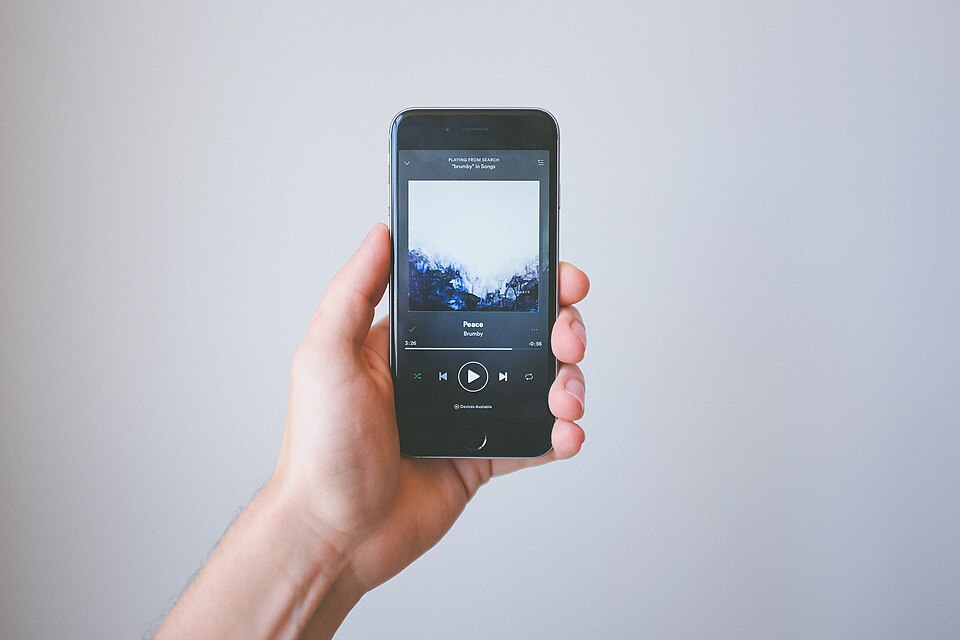
It’s unarguable that sex, drugs, and partying remain the theme for a vast amount of the music available to stream on Spotify, Apple Music, and in other popular media cultures. With that being said, is this documenting the lives of the artists, or turning the viewers to negative lifestyles?
Many individuals with a more conservative background may look at popular music as being an unrealistic extrapolation. However, the lifestyles portrayed in music are undeniably existent in today’s world, seeing that crime, sexual promiscuity, and relational toxicity are rampant. A probable question is; should we allow these lifestyles to be commercialized, and made to seem normal and human?
The flaw lies in the word “allow”, because not “allowing” would, put simply, be censoring, and it treads the line of authoritarian imperiousness. Still, could funding this art excessively with no regard for negative consequences be harmful to society?
Perhaps the issue is in a lack of discernment on all ends, not just the producer and not just the listener. Producers in modern music are arguably lacking the ability to discern the moral effects of publishing dark themes consistently and washing out positive ones. Listeners of today inherently lack the discerning ability to turn away from negative music and seek positive themes.
In a broad sense, however, it is not only a fault in the musical realm. It is a fault of societal negativity, and rulelessness. Our bad actions fund a for-profit system that benefits when we flounder. While many argue that privatization results in inequality, privatization, in a noneconomic sense, the privatization of behavior, could be a helpful goal. Privatizing our behaviors, or discerning our own needs and ideas apart from media consumption, is a skill we all should develop in today’s world.
In closing, and overall, music, alongside other industries, funds and benefits from negativity, resulting in societal sickness and unhappiness, and it is up to us to determine our own filtration system, despite individual frustration with systems.
Acknowledgement: The opinions expressed in this article are those of the individual author, not necessarily Our National Conversation as a whole.
