

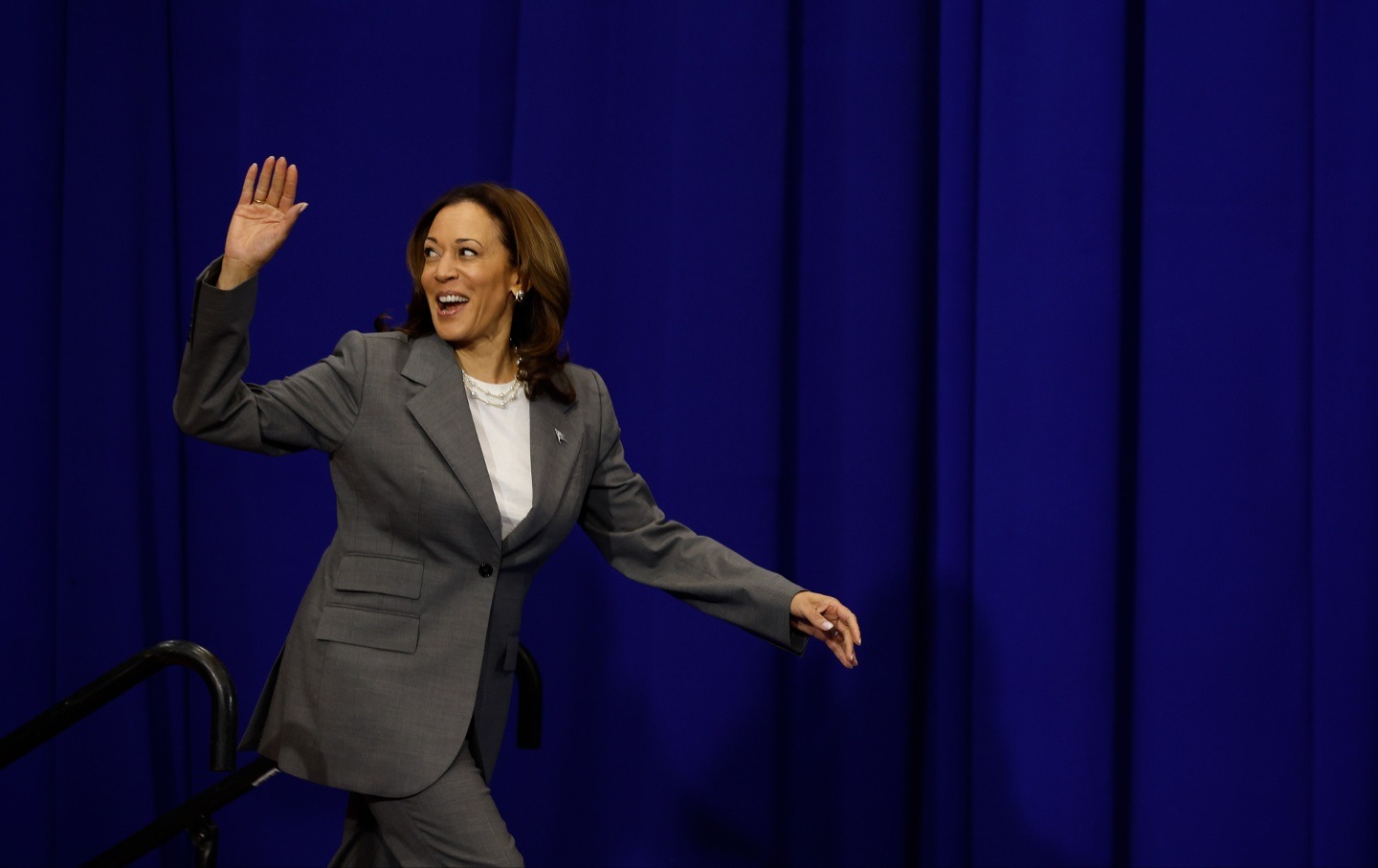
The 2024 election was a wake-up call for many on the left—or at least, it should have been. What worked with the American people on Election Day will shape how parties craft future platforms and determine which candidates receive financial backing. Kamala Harris centered her campaign outreach on identity politics, using targeted political rhetoric to members of groups perceived as oppressed. The American people rejected this divisive brand of politics in November, and the Democratic party should take note.
Given the trend of party registration slowing, Democrats may seek a shift in messaging and campaign style. Harris did not have much national political experience, and her short record reflected her progressive voting history. The historical minority support of Democrats offered Harris a quick campaign strategy. In fairness, the historic Black turnout in 2012 helped deliver Obama a second term, and the VP needed to find a lane quickly as the candidate swap with Biden happened only months before November. As such, Harris made her pitches to voters based widely on group identity whereas Trump relied on his previous record and policies, which was at best mixed.
The Democratic side of the ticket made identity politics a large part of their outreach efforts. In addition, she avoided interviews for a large part of her candidacy and seemed quick to sidestep commitments on policy. Harris made her plays explicit with separate initiatives for different racial and gender groups like “White Dudes for Harris” and the “Opportunity Agenda for Black Men” to name a few. President Obama, who endorsed Harris, spoke to black men about showing up to vote for Harris based on their shared racial backgrounds, saying they “just aren’t feeling the idea of having a woman as president.” Obama’s suggestion that Black men have some misogynistic reasons for not voting Harris was a clear group-identity generalization. One that implied disdain for women from an entire population of Americans. This statement and others like it received harsh backlash from voters.
The American people can only answer yes or no on the package deal that is a presidential candidate, so her loss cannot be put squarely on one issue. However, recent popular movements against gender ideology, critical race theory, and DEI (diversity, equity, and inclusion) initiatives coupled with Harris’s loss on similar grounds may spell out a more general shift in the American body politic. Many are tired of hearing about race and group identity. Racial politics and grievances have been a central talking point for many on the left since the death of George Floyd in 2020. Perhaps there was a time and a place for such discussion, but this election says the American people are ready to move on. Wherever there are substantial demographic and ethnic differences, and the freedom to express them, politicians will seek to single out groups to win votes. 2024, however, proved that these strategies– without substantial policy positions or perceived victories –are not enough for victory.
Injustice and racism exist in all societies and should be condemned when present. However, they should not be exploited for political gain by pitting one race or gender against another—a tactic often seen on social media. Group oppression has its history, but hammering such divisive rhetoric in 2024 creates a false narrative of horrific racial strife in the US. Both sides of the aisle must verbally agree on first principles before conversations on race and gender so that accusations of racism and misogyny are not hurled carelessly. Likewise, all prominent politicians should refuse to engage with those they genuinely believe are fueled by hate. This would set clear goalposts for civil people to have civil dialogue.
Trump’s return to the White House is at least a partial repudiation of both Harris and her campaign strategy. This is especially true when her opponent makes statements on immigration and culture that many find to be racially insensitive. An issue Harris should have had no problem exploiting given her campaign structure and targeted demographics. The play to sex and racial identity groups failed to bring out their vote. There is a message in this for both parties: perceived policy wins and popular platforms are more important than group identity to most American voters.
Acknowledgment:The opinions expressed in this article are those of the author.
