

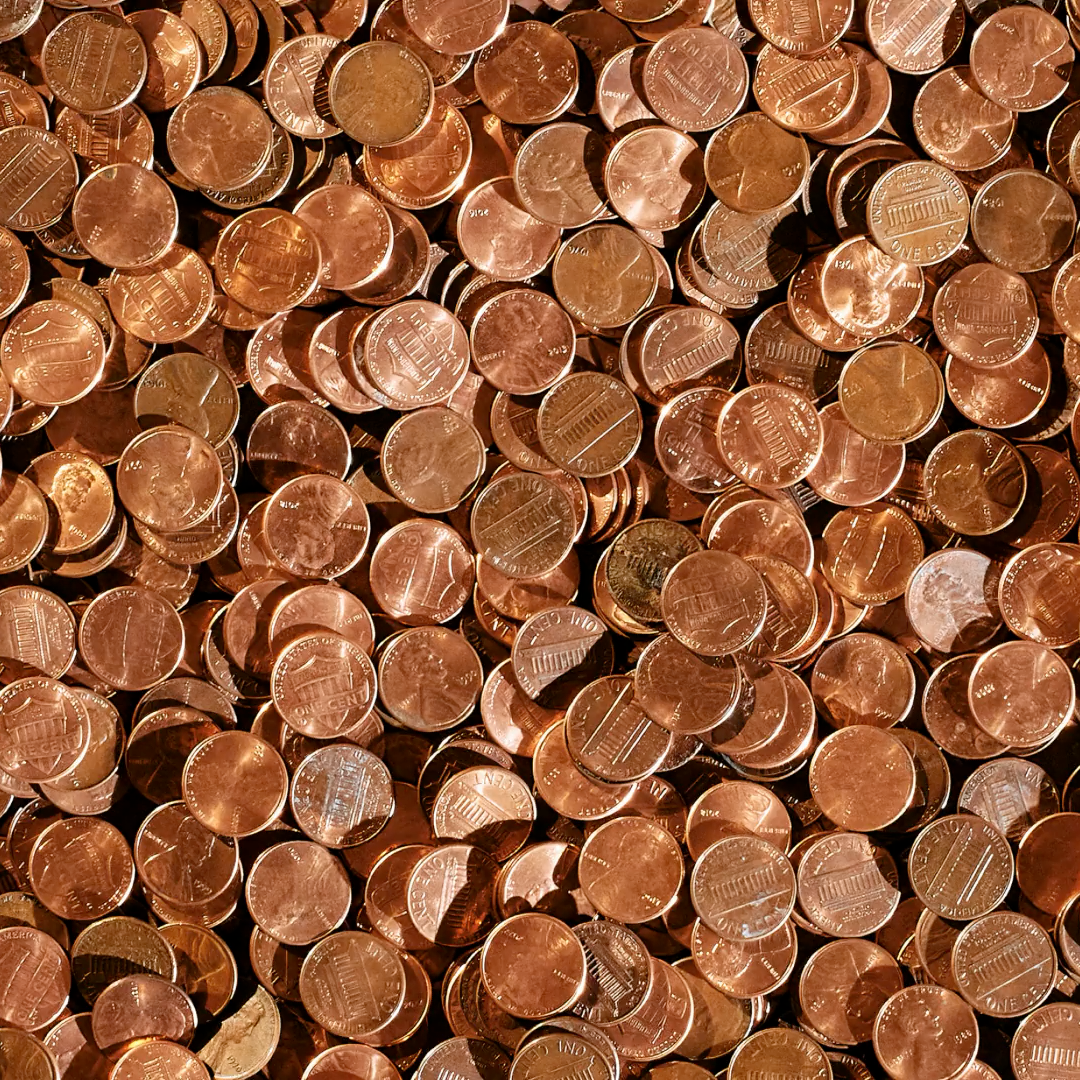
Your lucky pennies might be accruing a bit more luck, as after 230 years, the one-cent coin has been discontinued. This is a uniquely uncontroversial decision from the Trump administration, that even the likes of late-night critic $85.5 million. So, is there any reason to miss the penny other than nostalgia? While losing the penny itself isn’t a problem, it’s a symptom of rising inflation and the decline in use of physical currency. Both of these trends will continue to be problems for Americans in years ahead.
The demise of the penny can be attributed to two growing problems, the first and perhaps most obvious is growing inflation. In 1971, the U.S. switched from commodity money (currency tied to the value of precious metals like gold and silver) to fiat money (currency with no value other than which the government attributes to it). While this made our currency more flexible and led to most of the global market becoming dependent on the dollar, it also sped up inflation, as the penny’s value remained at one cent, leading to a decline in purchasing power. A penny in 1971 had the purchasing power of eight cents today, which may not seem like a drastic change; however, it’s more than enough to make the penny obsolete. And with 41% of Americans stating inflation is their greatest financial concern, the penny isn’t the first or last casualty of this growing problem.
Inflation goes hand in hand with the other reason we’ve said goodbye to the copper coin: the decreased use of physical currency. Minting pennies at a loss might be easier to stomach if we needed to make more change. However, Americans are frequently choosing plastic instead of paper, 70% preferring to put a purchase on a card than use cash. For many, credit is simply faster and easier than counting out exact change or worrying about having enough cash on you. The downside of this, of course, is that credit removes the weight of a purchase off of the consumer and onto the credit company. This creates a disconnect between the debt that consumers are racking up and their responsibility to pay for their purchases, leading Americans to spend twice as much when using a card as they do with cash. The average American has around $6,523 in credit card debt as of Q3 2025, a stat steadily increasing since the pandemic. With minimum wage remaining stagnant, Millennials and Gen Z are increasingly dependent on their parents and unable to afford homes. Moreover, given that the latter generation is growing up in the age of electronic payments, Americans’ debt is likely to continue rising as inflation makes certain denominations useless and credit use gets more popular.
Although few will miss Lincoln’s copper visage laying in a parking lot somewhere near them, the disappearance of the penny signals growing dangers in American life. Inflation must be slowed and/or wages and housing prices adjusted to ensure that younger generations can achieve the American dream of owning a home. Americans themselves must also do their part and exhibit more self-control when using credit and halt their consumerist urges to form better habits. If not, we may be facing another financial crisis that will take more than that jar of pennies you’ve been saving to fix.
