

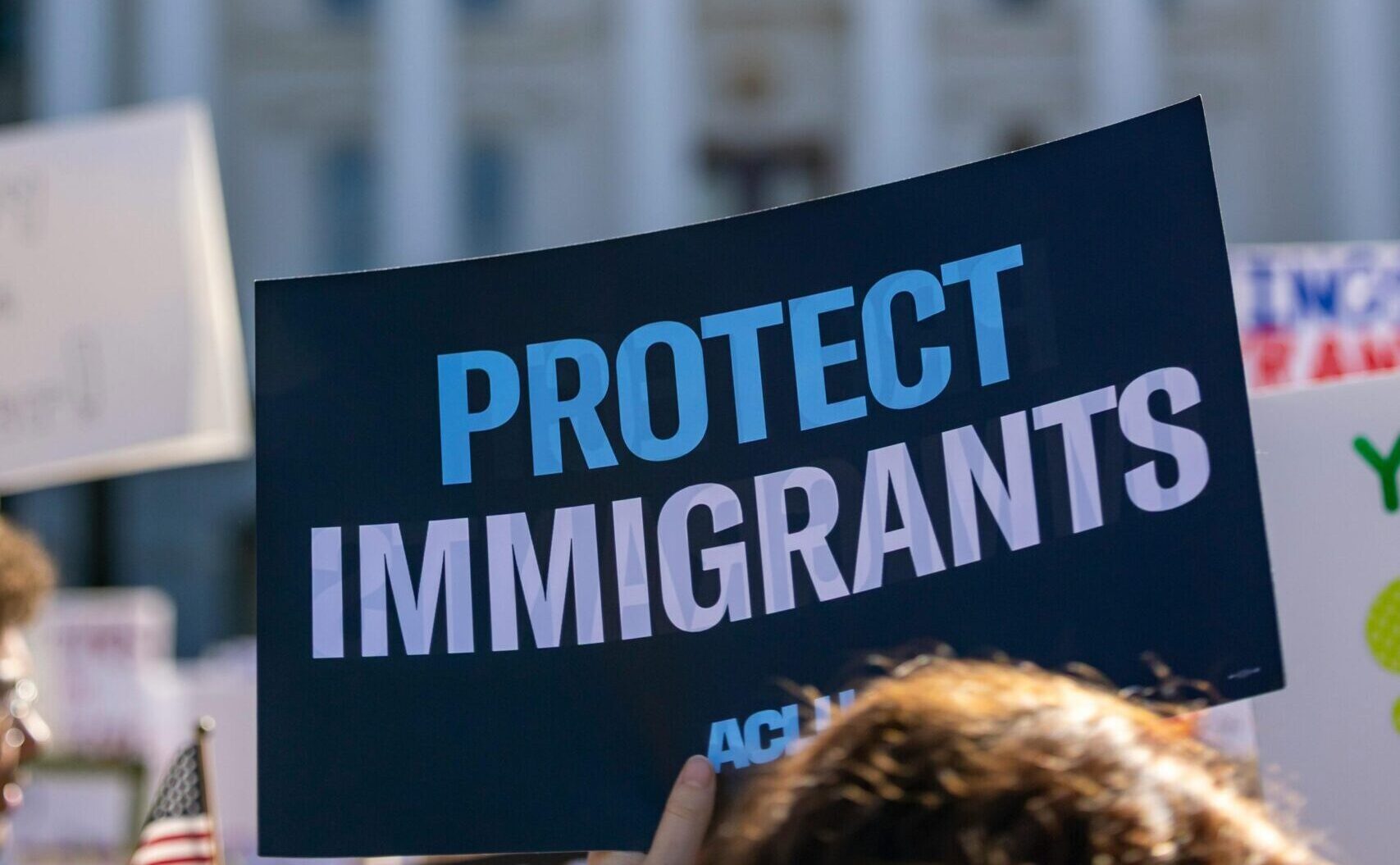
David Courvelle, a former detention officer at the South Louisiana ICE Processing Center in Basile pleaded guilty on Monday Dec. 29 in a federal court to one count of sexual abuse of an individual in federal custody. The charge of a single count of sexual abuse carries a maximum prison sentence of 15 years and a fine of up to $250,000.
The abuse started months before, where Courvelle was assigned with supervising and disciplining detainees. The detainee, who is a Nicaraguan woman, was held in the facility over their immigration status. Court documents explain that Courvelle started a relationship with the detainee on Jan. 1, 2025. Over those few months, Courvelle and the victim “participated in sexual contact on multiple occasions” and Courvelle “smuggled gifts such as food, jewelry, letters and pictures” of the woman’s daughter. Most encounters occurred in the janitor’s closet at the Basile facility, which involved a gross abuse of the power dynamic in the federal center, where it is legally impossible to give consent.
Courvelle officially resigned July 30 after discovering that investigators had recordings of phone calls between him and the detainee. Although he initially denied the allegations, he eventually admitted to the sexual contact.
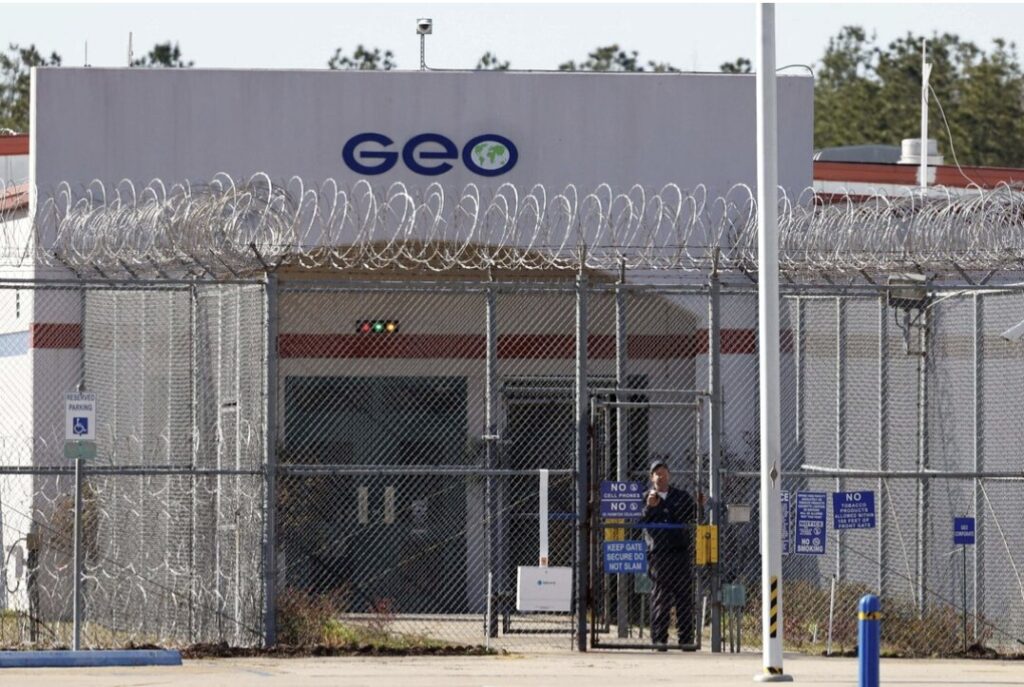
The case against Courvelle was brought forth weeks after a civil rights groups filed complaints against the facility on behalf of one woman and three transgender detainees who alleged sexual abuse, harassment, and denial of medical care between 2023 and 2025.
Reports of abuse and neglect inside ICE facilities across the country have gone rampant after President Donald Trump launched his nationwide mass deportation campaign. Sexual abuse is unfortunately common in prisons and detention facilities, but it is important that the abuse is exposed to ensure that those responsible are held fully accountable. Courvelle was released on a $10,000 bond and faces sentencing on April 10.
This is not the first time allegations have come across ICE. In 2022 Andrew Golobic faced seven counts of sexual abuse involving two women. During his hearing, prosecutors said at least six women in the system had sex with Golobic. In Jan. 2024, Golobic was found guilty on four of the seven counts of obstructing a sex trafficking investigation, deprivation of rights under color of law, witness tampering and destruction of records in a federal investigation. Golobic purposefully misled the investigation, destroyed evidence and tampered with witnesses.
After he was approached by the FBI, he deliberately deleted evidence from his phones and destroyed records in a federal investigation. Prosecutors had mentioned they had dozens, if not hundreds of clients at I.R.L.C.(Immigrant and Refugee Law Center) who are in proceedings and have been reporting to that office since 2018.
Golobic was an ICE agent from 2015 to 2020, which makes his number of victims unknown. Prosecutors believe additional victims may still come forward. Because of the length of his service and the number of immigrants who may have interacted with him, the full truth of his misconduct is hard to be sure of. The case has raised serious concerns about oversight within immigration enforcement and the vulnerability of immigrants placed under supervisory authority.
However one looks at both cases of Courvelle and Golobic, it shows the disturbing patterns within immigration enforcement. When immense power is placed in the hands of the agents who oversee people who are vulnerable, there is a constant fear of retaliation from the enforcers. This reality is supported by a study examining 129 immigration detention facilities, which found that 90 of them—more than 70 percent—reported allegations of sexual abuse over a 44-month period. For many immigrants reporting this kind of abuse feels unreachable, as their future in the United States depends on the very institution that is abusing them. This imbalance causes an environment that can do horrific things and go unchecked which causes a significant pattern. That is seen repeatedly through victim testimony and court records. The question is how long it will continue before meaningful change is made.
