

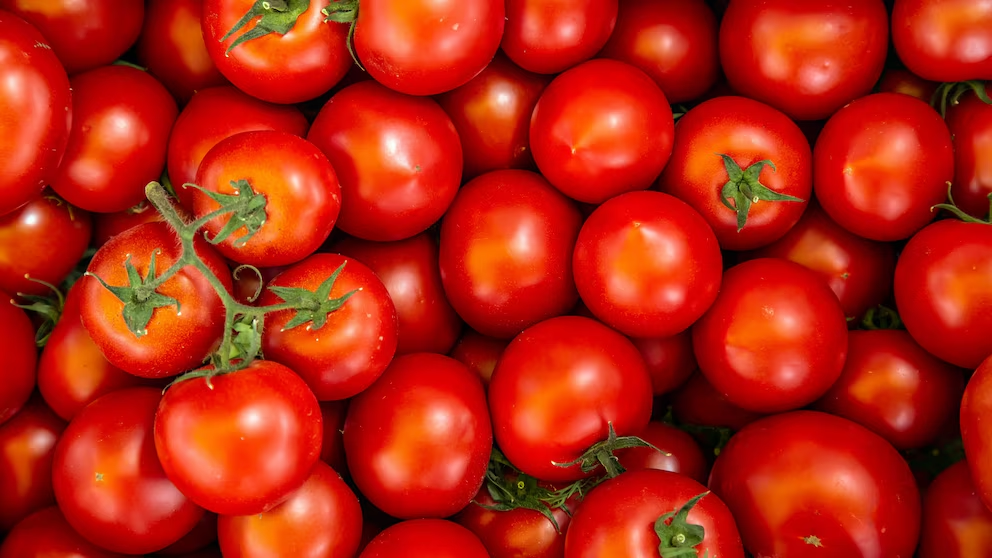
Many voters supported President Trump with the expectation of a stronger economy. However, tariffs combined with sharply rising fuel costs have caused vegetable prices to soar higher than anticipated. Fresh tomatoes are a prime example; their prices have increased significantly, making them unaffordable for many families, and this upward pressure is likely to continue in the coming months.
Mexico supplies the vast majority of fresh tomatoes consumed in the U.S.—approximately 70% of the market—especially during the winter and spring months when domestic production decreases. Following the U.S. termination of the Tomato Suspension Agreement in mid-2025, a 17.09% antidumping tariff now applies to most Mexican tomato imports, directly raising costs for importers and retailers.
To complicate matters, tomatoes must be transported long distances by truck. Diesel prices have risen sharply due to the conflict in Iran, recently reaching about $5.67 per gallon nationally and approaching or exceeding the peak levels of 2022 in many regions, according to recent figures from the Energy Information Administration and AAA. High fuel costs also contribute to increased fertilizer and overall production expenses for growers.
Given this situation, consumers have no choice but to focus on smart, flexible alternatives rather than waiting for quick relief. For instance, choosing canned, diced, or crushed tomatoes in recipes can be a better option—they are more affordable, shelf-stable, and less susceptible to the volatility of fresh produce. Unfortunately, it appears that prices are not likely to decrease anytime soon.
