

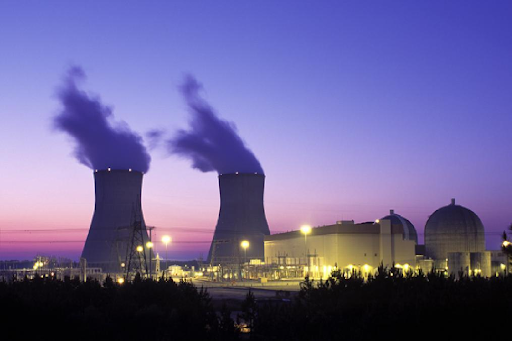
Despite its incredible efficiency and low cost per watt of output, it has only taken three disasters to cripple public support for nuclear energy. However, a closer look at these catastrophes suggests that they were exceptions, not the pattern, of the stability and safety of nuclear power plants. The accident at Three Mile Island in Pennsylvania in 1979 only involved a reactor failure, and excess radiation was contained by the plant’s sound structure. The Fukushima Plant’s destruction was the result of its construction on a geologically active zone. In both situations, virtually no deaths resulted from leaked radiation.
Most infamously, however, the disaster at Chernobyl resulted in thousands of deaths even years after it occurred in 1986. But even this failure was due to the botched engineering and unqualified staff which only were approved due to the corruption of the Soviet Union. As fornuclear waste, almost all of it can be safely stored away from major population centers, and its decay will reduce its long-term environmental footprint, in contrast to toxic metals from other energy sources. And with the efficiency of nuclear fusion technology that is being researched, environmentalists should be prepared to embrace this source of safe, clean energy.