

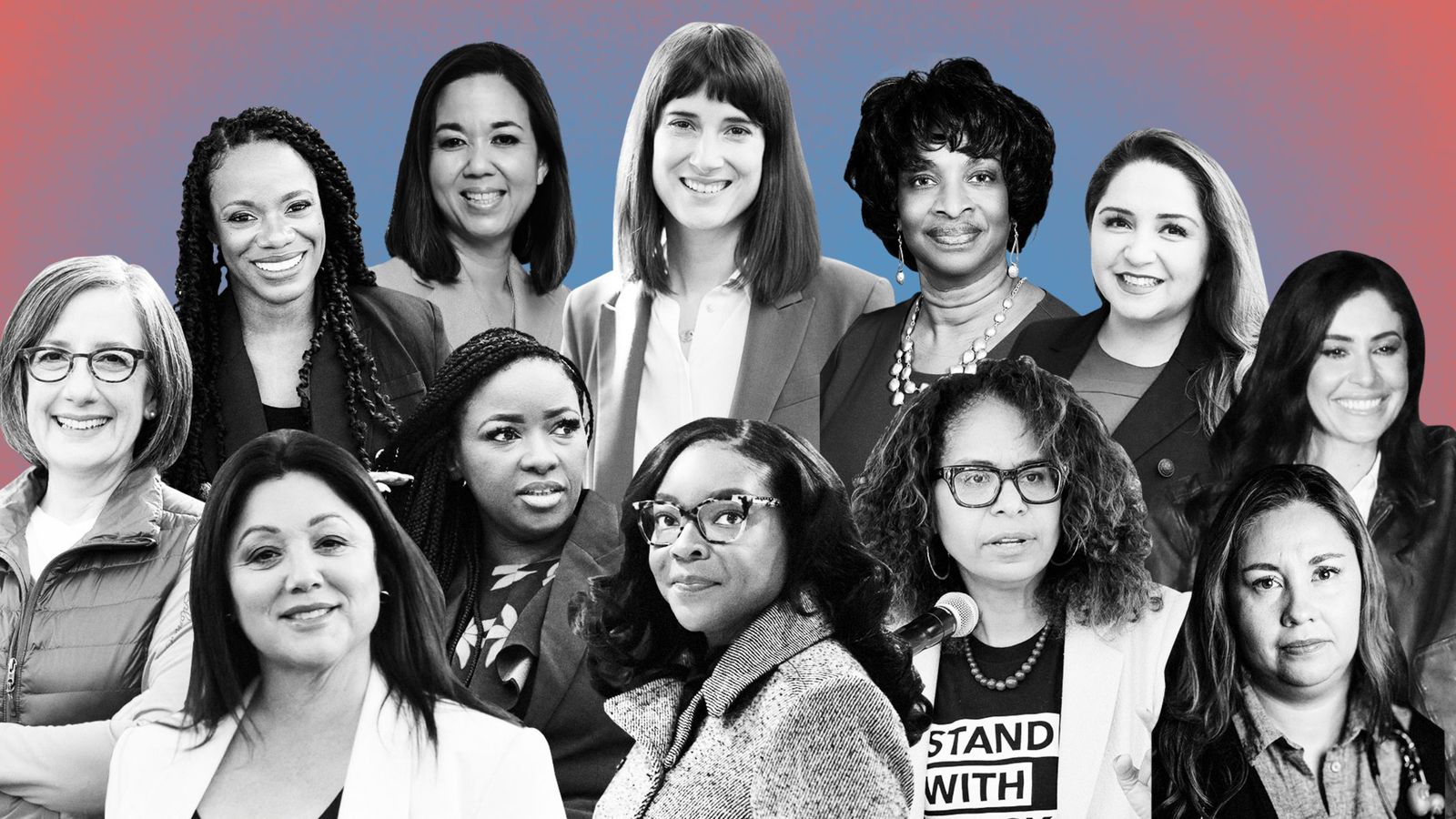
The thing that has been on the tip of everyone’s tongue since Tuesday is the blue wave phenomenon during the midterm elections. No one, however, seems to be talking about the pink wave.
Over 100 women are expected to serve in the House of Representatives. That is roughly 28% of congressmen. Some of which include the first black woman Ph.D. scientist in Congress, Jasmine Clark of Georgia, and Melat Kiros, the first black woman to represent Colorado and the first Gen Z woman in Congress. We see some of these firsts span out even further in the Senate.
Peggy Flangann of Michigan is the first Native American woman to serve, and Annie Andrews is the first woman ever elected to represent South Carolina in the Senate.
30 years ago, Carol Moseley Braun, of Illinois, became the first ever black woman to be elected to the Senate. Now Illinois will be the first state to have two women of color serve in the Senate at the same time after Juliana Stratton became the fifth ever black woman elected.
Only 64 women have served in the Senate since it first convened in 1789. Only five of these women have been black, only three women were Asian American and Pacific Islander, and one was Latina.
As for all of Congress, only 445 women have served, making up only 3.5% of those who have served in either the House of Representatives or the Senate. Women are half of the US population yet hold just 28% of the seats in CongressThis comes 110 years after Jeanette Rankin became the first woman to serve in Congress in 1916, three years before the 19th Amendment passed.
This midterm is a turning of the tide when it comes to female representation in politics. Women’s issues have been highly debated in government for years, with little female say, including the recent overturning of Roe V. Wade. The government has long made laws about women’s bodies without any women present.
I mean, even the government buildings themselves are structured to benefit men. In fact, there wasn’t a women’s restroom on the Senate floor until 1993.
This isn’t victory just yet. Women’s butts in seats won’t provide change in legislation on its own. We need to hold our politicians accountable for the policies that we want to see change. The people have spoken; their ballots have been cast. We want change, and that won’t get done until the politicians get to work.
Acknowledgement: The opinions expressed in this article are those of the individual author, not necessarily Our National Conversation as a whole.
2 Comments
This is a time of many firsts, and I’m excited to see more women gain political seats and join the conversation. You’re so right when you say for a long time men have been making decisions for women, without any input from us and its time we got a say.
Thank you for summing up all these statistics because, as much as I enjoy seeing it, my social media has been predominantly surrounding the “blue wave.” There has been less chatter about this “pink wave” as you call it. Hopefully we get to see that filtered into social media conversation more as people begin to realize how big of a deal this is.