

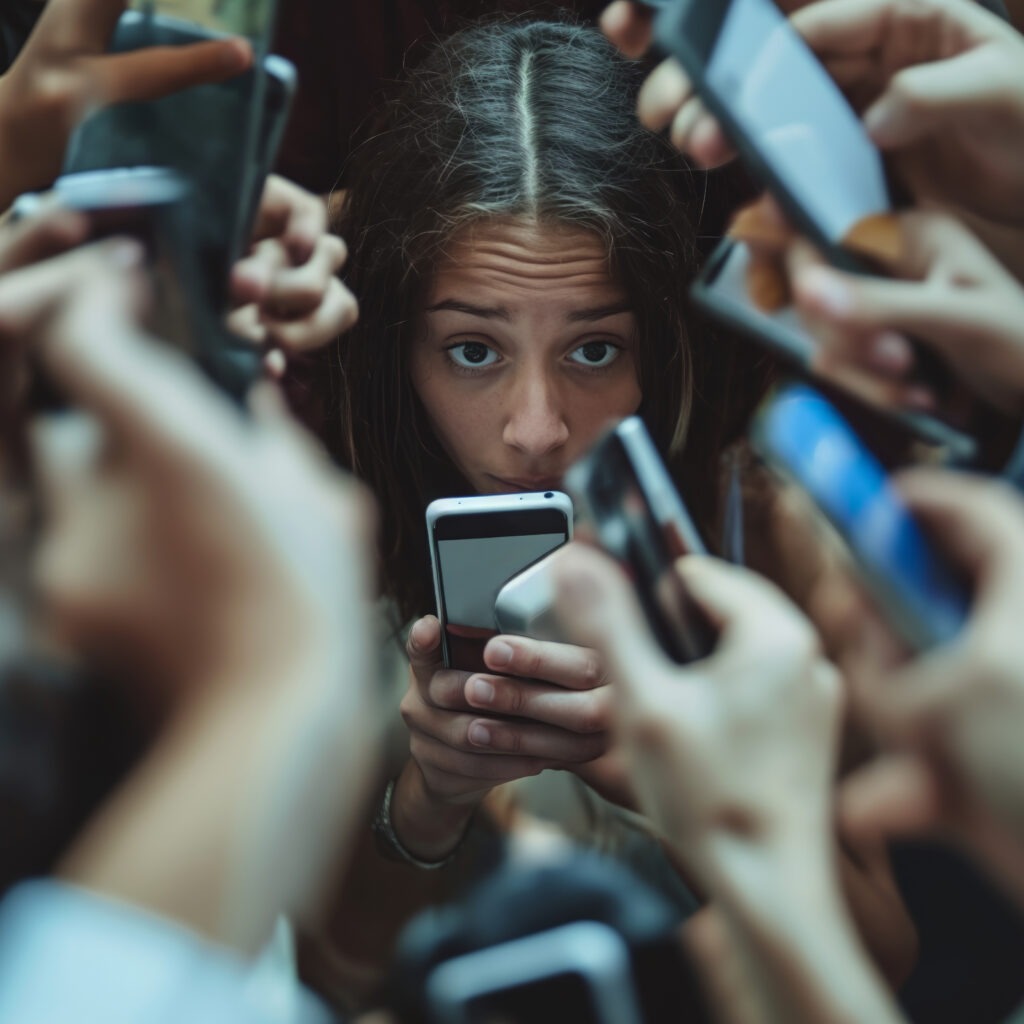
Humans are imperfect. We age, gain weight, develop wrinkles, have bad hair days, and sometimes simply look a little tired. This is normal. However, social media has gradually turned normal, human imperfection into something many people feel compelled to hide.
Now artificial intelligence is taking that pressure to another level.
Across Facebook, Instagram, TikTok, and other platforms, users are experimenting with AI-generated and AI-enhanced versions of themselves. The trends change quickly: Studio Ghibli-style portraits, AI action figures, vintage 1960s and 1970s portraits, retro saree transformations, hyper-realistic 3D avatars, and increasingly sophisticated “you in another era” images. In 2025, Ghibli-style portraits and AI action figures became particularly common examples of how quickly AI image generation can become a social-media phenomenon.
The attraction to using AI is obvious. AI can make a person appear younger, smoother, slimmer, better dressed, or impossibly polished. The danger begins when the edited version becomes more desirable than the real person.
This is where hyperreality becomes increasingly relevant: a digital version of reality that can become so attractive and convincing that people begin comparing their real lives with an artificial one.
This is not merely a visual trend. AI-generated voices, videos, and images are also expanding rapidly. HubSpot’s 2025 Global Social Media Trends research found that among respondents using generative AI for social-media content, 53% used visual AI tools, while 42% used audio AI tools such as voice or music generators. Short-form video and images were among the most common types of content created with generative AI.
Other research shows how rapidly synthetic media is entering online spaces. An OECD analysis found that media-reported incidents involving synthetic media—AI-generated or manipulated images, video, and voice—increased 2.5 times between 2022 and 2025. This accounted for more than 14% of recorded AI incidents and hazards by the third quarter of 2025.
The obsession with artificial intelligence is not limited to Gen Z.
Older generations are also increasingly engaging with AI. AARP reports that generative-AI use among Americans aged 50 and above increased from 18% in 2024 to 30% in 2025. A University of Michigan survey also found that 55% of adults aged 50 and above had used speech- or text-based AI, with 11% saying they had used it to generate text or images.
The issue becomes more serious when AI-enhanced appearances start affecting self-esteem.
A 2026 study published in the Journal of Consumer Behaviour, involving 468 users, found that AI beauty-filter use was associated with lower body-image satisfaction and diminished appearance self-esteem. Another 2025 study on TikTok facial filters identified associations between filter use, facial dissatisfaction, and body-image concerns.
For young people, the consequences are particularly significant. Ideally, A teenager or young adult should spend energy developing skills, building relationships, studying, working, creating, and discovering who they are. Instead, hours disappear into photographing, editing, regenerating, comparing, and reposting.
Using AI for fun is not the problem. There is nothing wrong with turning yourself into an action figure or imagining yourself in a vintage photograph.
The problem begins when the edited self becomes the ideal self.
A generation constantly exposed to flawless faces may eventually find ordinary human faces unacceptable—including their own.
The answer is not to reject AI. It is keeping AI in its proper place.
Use the technology. Experiment with it. Have fun with it. But do not let an algorithm become the editor of your self-worth.
It’s okay to post imperfect photographs sometimes. Leave the wrinkle. Keep the grey hair. Accept the humanity.
Your real face does not need to compete with an algorithm.
