
Local legislation allows the state government to interpret jargon towards their preferred ideology. However, when there are discrepancies between protected rights and the court’s interpretation, the Supreme Court of the United States (SCOTUS) must intervene. In A.J.T. v. Osseo Area Schools, a student with a disability faced discriminatory practices within her in-school accommodations. The initial interpretation by the Eighth Circuit Court, regarding the Rehabilitation Act, and Americans with Disabilities Act (ADA), Title II Individuals with Disabilities Education Act (IDEA), was a loophole interpretation. They favored an unequal implementation of disability rights within in-school disability accommodation, opening up the possibility to…
Author: Raven W. M.
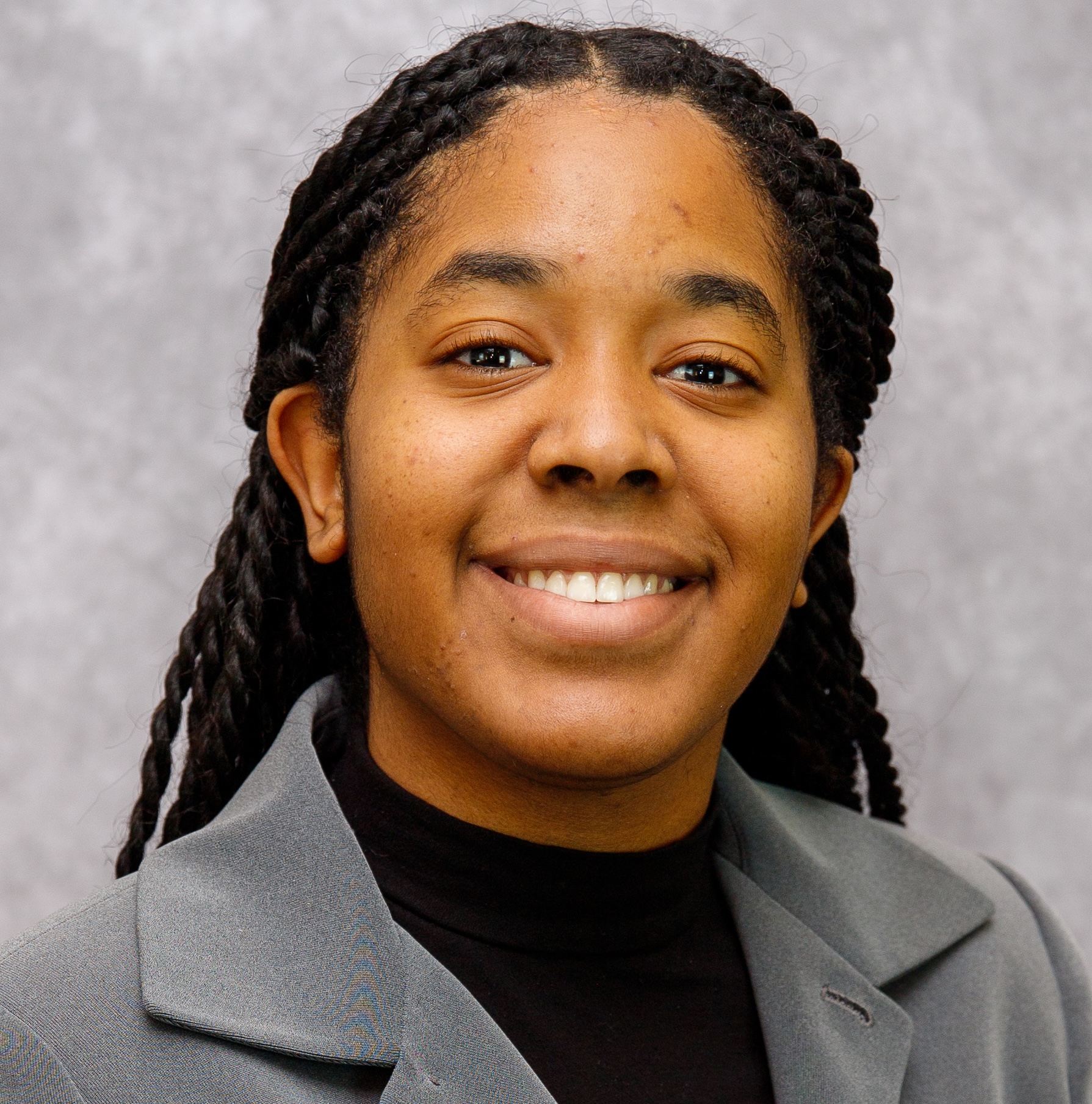
Raven W. M.
Raven contributes thoughtful articles covering congressional sessions, social justice issues, and politics. Her work explores topics that are relevant to public interest, where she provides information on the facts, merged with her mission to advocate for reform.
If I identify as a Black woman, consider myself Christian according to Black-American terminology, have a cross-cultural heritage, come from a well-to-do economic background, and identify as heterosexual (not to mention my social and personal identities as well as my geographic context)—what box do I fit into? From a sociological perspective, I embody all of these labels. However, sociology would also argue that as a woman, I cannot be considered a black woman; I am just performing the construct of being a woman. Yet, for me, these labels are intersected within society. If I cannot tangibly shed my identities when…
Classroom discipline efforts often rely on teacher discretion, and without proper diversitytraining, teachers become judge, jury, and executioner of minority students. In a congressionalreport, congress observed two key occurrences: 1) Racial and gender biases in school discipline practices and limited requirements in educator preparation and professional development all influence how school personal react to behavior by students of color; and 2) Improved and increased opportunities for culturally competence professional development programs can help teachers and related school personnel more effectively respond to student behavior misbehavior and thereby decrease the disparity between how Black and White students are disciplined. I remember…
Have you ever walked into a room and felt at ease because you fit in? Have you ever walked into a room and felt ostracized because you didn’t fit in? This phenomenon occurs because of internalized social construction. Sociology is a discipline that defines this phenomenon. But, if society is to transition from social justice discourse to social justice reform, we must stop orienting social engagement around constructing one another. Sociology emerged to understand the impact of technological advancements, and institutions on society at large. Unfortunately, in time it evolved into an assessment of social hierarchy, and the divergence between…
The school-to-prison pipeline is just as much a social justice issue as it is a complex sociological problem. Since in-school discipline is largely at the discretion of teachers and administrators, a lack of cultural competence in school discipline can lead to minority students becoming marginalized in the classroom. Huy Gia Han Vu conducted a study expanding this concept of Social Capital. Since teacher engagement is the primary driver of social capital in schools, in the context of Vu’s study, teacher-student relationships set the tone for in-school engagement and long-term development outside the classroom. To effectively mitigate the disproportionate impact of…
Taxes play a crucial role in ensuring that government revenue comes from individuals, businesses, and corporate profits. However, the Big Beautiful Bill limits educational access by cutting funding and altering taxation in areas such as estate taxes and tax deduction limits, while also making the Tax Cuts and Jobs Act changes permanent. As a result, wealth distribution becomes less and less visible. To address the growing wealth gap, we need more legislation like the Financial Services Racial Equity, Inclusion, and Economic Justice Act, which aims to expand access to the financial industry. In other words, if wealthy individuals have options…
In the House of Representatives, there was a bill on the docket titled, the Financial Services Racial Equity, Inclusion, and Economic Justice Act, promoted by Representative Maxine Waters. It advocates for more diversity, and access to the financial services industry1. Currently, the bill sits in the Senate’s “Committee on Banking, Housing, and Urban Affairs”; there are no updates on its status after this action. Why is this bill so imperative? As capitalism becomes the primary vein of America’s economy and government, equity requires financial access. Think back to the use of “red-codes” known as redlining, where maps were strategically drawn…