

NATO’s Eastern borders are under siege –not by tanks and missiles, but by a far more insidious threat: Russian Irregular Warfare. From disinformation campaigns that erode trust in democratic institutions to covert operations that destabilize border regions, these tactics strike at the heart of NATO’s unity and resilience. If NATO fails to adapt to this shadow war, it risks losing not only its credibility but also the security of the millions it is sworn to protect.
Russia’s Strategic Playbook
Russia’s hybrid warfare strategy has emerged as a calculated response to its power asymmetry with Western nations. It leverages non-military tools to offset its relative disadvantages in military capability and economic strength. By employing disinformation, cyberattacks and energy as geopolitical weapons alongside traditional military tactics, Russia disrupts its adversaries’ decision-making processes while maintaining plausible deniability. For example, disinformation campaigns polarize societies, eroding trust in democratic institutions, while cyberattacks undermine critical infrastructure and electoral integrity. At the same time, Russia’s use of energy dependence as a tool for coercion ensures leverage over states who are unable to independently meet their energy needs.
These measures not only weaken NATO’s unity but also create a permissive environment for advancing Russia’s strategic interests. This blended approach, as highlighted in its military doctrines and the writings of figures, like General Valery Gerasimov, represents a deliberate and sophisticated evolution in conflict strategy. By integrating these tactics with its hard power, Russia achieves its objectives without direct confrontation, redefining the nature of modern conflict and challenging NATO to adapt its defenses to meet this growing threat.
Recent revelations of Russian-linked sabotage incidents across Europe underscore the increasing creativity and adaptability of its irregular warfare tactics. The plot to test parcel bombs on U.S.-bound flights, uncovered through investigations in Poland, Germany and the U.K., demonstrates how Russian operatives exploit loopholes in logistics and aviation to disrupt services and create panic and chaos. These incidents, involving flammable devices disguised as everyday items, highlight a disturbing pattern: a relentless search for vulnerabilities to destabilize Western societies. By targeting critical infrastructure and exploiting unconventional means, Russia’s hybrid warfare strategy creates a pervasive sense of insecurity. This evolving playbook emphasizes the urgent need for NATO and its allies to strengthen their defenses against not just traditional threats, but also these increasingly innovative and insidious methods designed to fracture unity and disrupt civilian life.
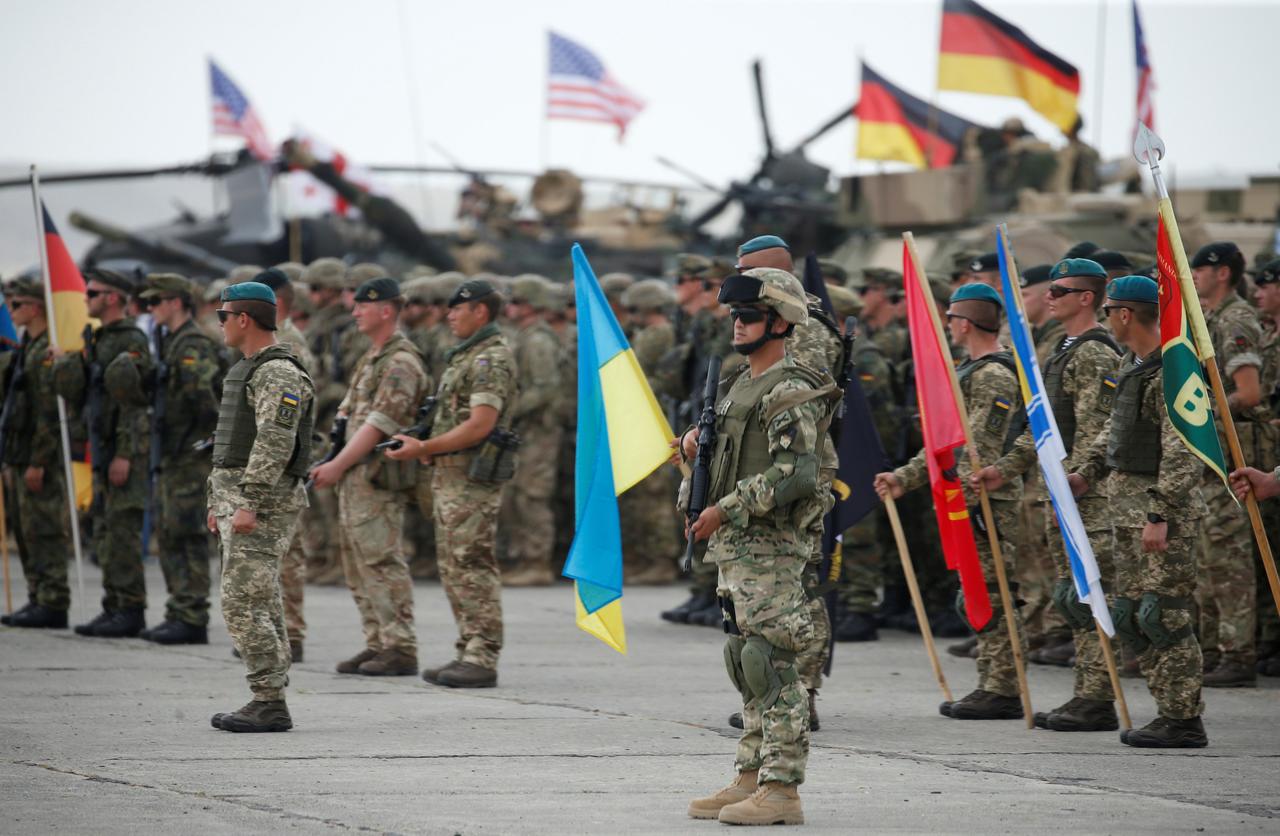
NATO counters hybrid threats through a comprehensive strategy of preparation, deterrence and defense. By leveraging intelligence analysis, joint exercises and partnerships with allies and organizations like the EU, NATO strengthens its ability to detect and respond to disinformation, cyberattacks and other unconventional tactics. The Alliance integrates military and civilian tools, ensuring flexible responses tailored to specific challenges. Centers of Excellence, such as those in Estonia and Lithuania, further enhance expertise and resilience. However, with hybrid threats evolving rapidly, questions remain about whether NATO’s efforts can fully keep pace with the increasingly creative tactics of Russia.
While NATO’s doctrines on countering hybrid threats convey optimism, their implementation leaves critical vulnerabilities unaddressed. Despite its strategic framework, the persistent occurrence of irregular threats – such as the parcel bomb plots targeting transatlantic flights and rising cyberattacks – signal that Russia will very likely continue to find and exploit loopholes. These incidents highlight the pressing need for improved intelligence-sharing mechanisms among NATO member states to anticipate and thwart such actions.
Additionally, NATO’s cyber measures require significant upgrades to counter the increasing sophistication of digital threats. Investigations and security screenings for individuals with potential ties to adversarial countries must also be prioritized to disrupt covert operations before they escalate. Without decisive action to strengthen these areas, NATO’s efforts risk being outpaced by evolving creativity and adaptability or irregular warfare. It is clear that while the strategy is a step in the right direction, substantial gaps remain in securing the Alliance against unconventional threats.
NATO’s strategy against hybrid threats represents an important foundation, but its execution must evolve to keep pace with increasingly sophisticated adversaries. Strengthening intelligence-sharing, advancing cybersecurity capabilities and addressing vulnerabilities with member states are critical next steps. Without proactive adjustments, the alliance risks falling behind as irregular warfare continues to adapt and escalate. NATO’s future resilience depends on its ability to translate strategy into effective actions.
