
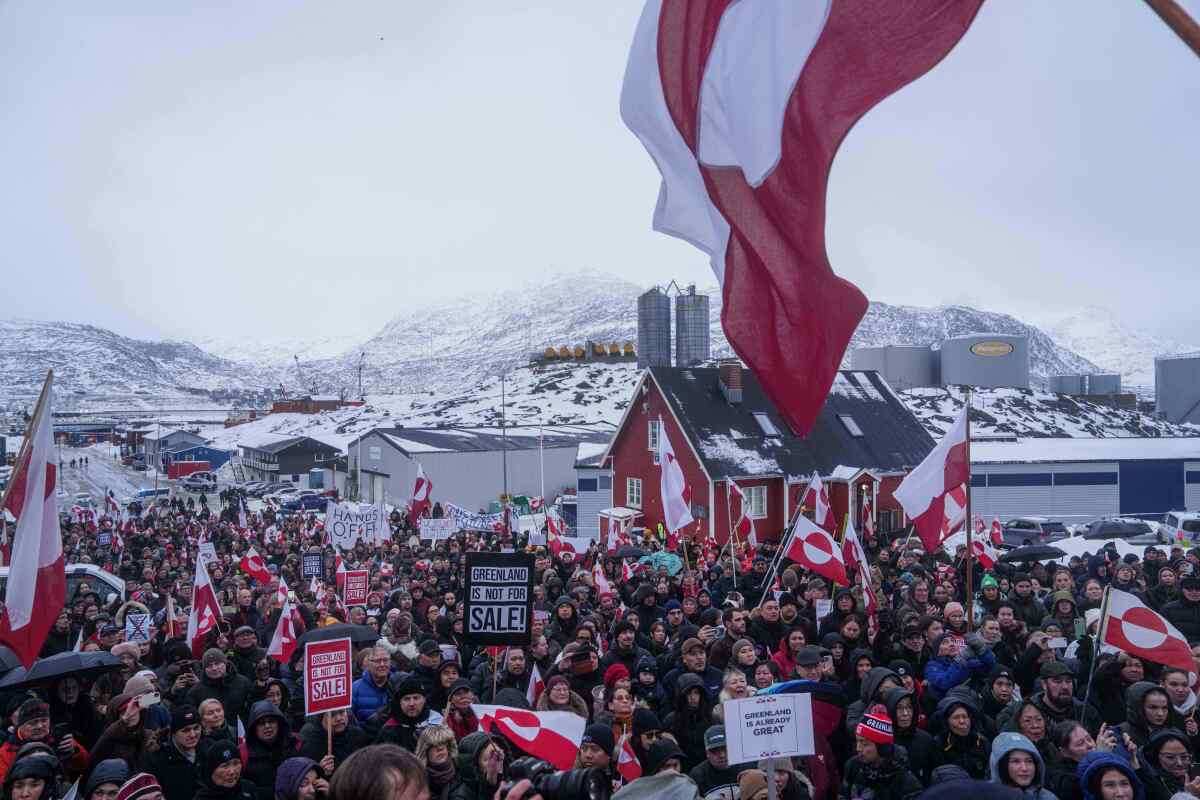
President Donald Trump’s threat to impose tariffs on European countries over a Greenland dispute sparked warnings from many European leaders. This dispute raised many concerns about future relations between the U.S. and European alliances. According to officials from affected countries, the threatened economic measures could erode long-standing diplomatic and security partnerships.
Trump has announced his plans for creating a 10% tariff on imported goods from eight European NATO allies. Norway, Denmark, France, Germany, Sweden, the United Kingdom, Finland, and the Netherlands are set to increase a 25% rate later in the year, unless those countries choose to support U.S. proposals tied to Greenland. The move, framed by the White House as a response to what Trump has described as a challenge to U.S. interests in the Arctic region, quickly drew international attention and criticism.
European Leaders Warn of “Dangerous, Downward Spiral”
Leaders from the targeted nations have come together issuing a joint statement calling Trump’s tariff a threat and danger to transatlantic relations. The nations explained how continued escalation could lead to a “dangerous downward spiral” in economic and diplomatic ties. European officials emphasized solidarity with Greenland and Denmark, defeating their military cooperation as consistent with NATO obligations rather than confrontational behavior.
British Prime Minister Keir Starmer expressed opposition to the tariff plans, urging the White House to reconsider its approach. Warning that economic coercion among allies may weaken both trade relationships. Other leaders emphasized the importance of dialogue and mutual respect in resolving disagreements.
NATO Ties, Trade Risks, and Tariffs
Analysts say the dispute comes at a sensitive moment for NATO and broader U.S.-European cooperation on global issues. The Trump administration has stated that stricter economic measures are necessary to protect U.S. interests and assert leverage over Greenland. In contrast, other European officials view these tactics as inconsistent with alliance norms and potentially damaging to joint defense commitments.
The threatened tariffs could also promote responses from the European Union. Some European officials have discussed with the public the possibility of retaliatory measures, including activating anti-coercion tools or revisiting recent trade agreements. U.S. Diplomatic channels remain active as leaders prepare for discussions at a planned summit later this month.
Diplomatic Impact
As tension unfolds, existing tensions have strained the U.S-European relations, which have expanded beyond trade, encompass security, geopolitical challenges, and climate. European leaders have stated that sovereignty, shared values, and open dialogue should guide alliance interactions. This controversy has attracted attention from many global viewers, who caution that fracturing consensus among Western allies could have broader implications for international stability and a collective response to global threats.
Understanding the Importance
- Greenland’s Importance: Greenland plays a major role in Arctic geopolitics as melting ice expands access to shipping routes, increasing interest from global powers, and natural resources.
- Political Status: Greenland is an autonomous territory within the Kingdom of Denmark; these decisions relate to foreign policy and security, ncompass to include broader alliances and international agreements.
- Arctic Cooperation Norms: European leaders emphasize that Arctic cooperation has traditionally been guided by alliance-based decision-making rather than unilateral economic pressure.
As the investigation continues, these factors help explain why the dispute has drawn huge responses from European leaders. Greenland’s strategic location and political status place it at the intersection of national sovereignty and emerging global competition in the Arctic.
European officials have stressed that resolving these disagreements over the region should be done through diplomatic channels. Warning that economic pressure among allies risks damaging long-lasting norms and mutual trust.
Sources
