

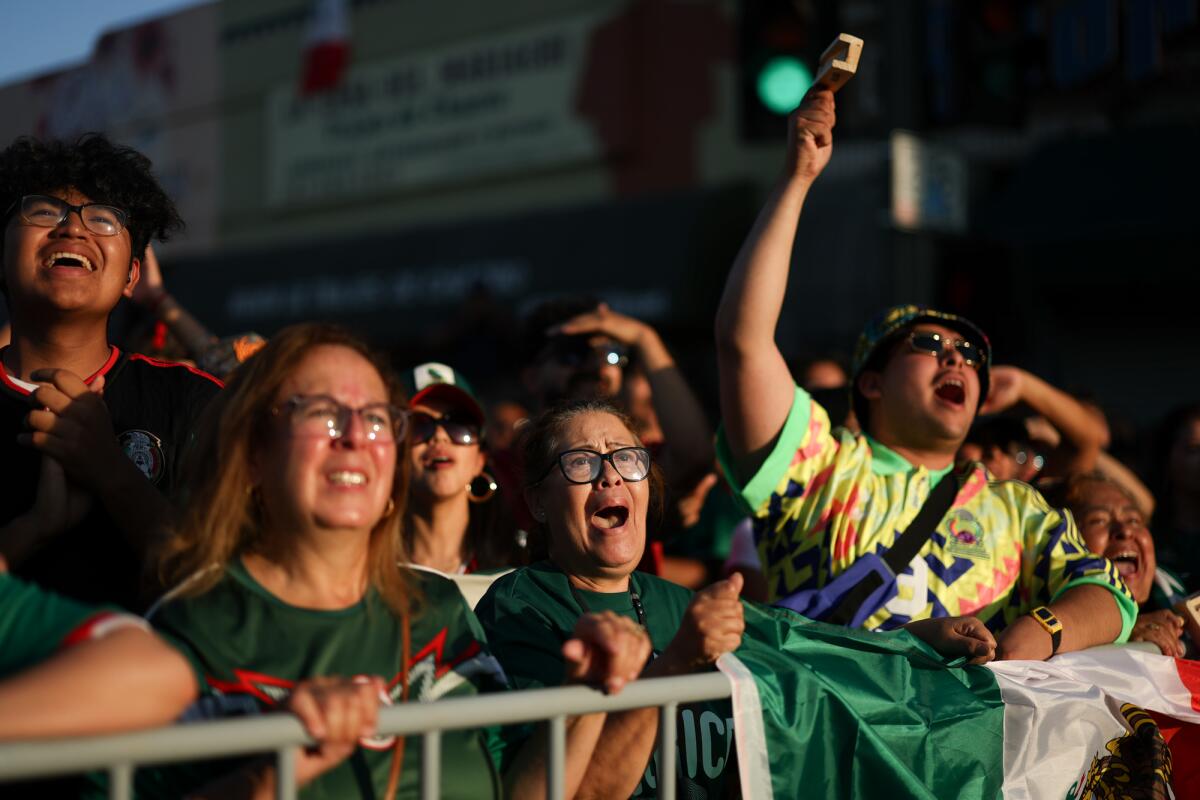
As the 2026 FIFA World Cup continues in Los Angeles, the tournament has become more than a series of soccer matches. For many fans, it has created a rare moment of unity in a city often shaped by political tension, cultural differences, and everyday division.
In the days leading up to the games, there were concerns about how immigration enforcement, travel restrictions, and political unrest could affect the tournament’s atmosphere. However, scenes across Los Angeles have shown fans from different countries and communities coming together through a shared love of soccer.
Unity Beyond the Game
At its best, soccer has a way of bringing people into the same space, even when they come from different backgrounds. Fans wearing jerseys from Mexico, Iran, New Zealand, Argentina, and the United States have gathered on public transit, outside stadiums, and across the city.
For many attendees, the World Cup has offered a temporary break from political division. The energy surrounding the tournament reflects something simple but meaningful: people want spaces where they can celebrate, connect, and feel part of something larger than themselves.
The Role of Community
Los Angeles is already one of the most culturally diverse cities in the world, making it a fitting place for an event built around international connection. The World Cup gives communities the chance to celebrate their heritage while also sharing that pride with others.
This does not mean the tournament is free from criticism. Large global events often raise questions about cost, access, labor, policing, and who truly benefits. Still, the public response in Los Angeles shows that sports can create moments of connection, even in complicated circumstances.
FIFA and Social Impact
FIFA has also promoted social impact campaigns tied to the 2026 World Cup, focusing on issues such as inclusion, anti-discrimination, mental health, education, and community engagement. These efforts suggest that the tournament is not only being presented as a sporting event but also as an opportunity to encourage broader social awareness.
Whether these campaigns create lasting change remains a fair question. However, their presence reflects the growing expectation that major sporting events should contribute to communities beyond the stadium.
Why This Matters Now
The World Cup arrives at a time when many people feel divided by politics, identity, and national issues. In that context, seeing fans come together across cultures carries meaning beyond the game itself.
These developments raise important questions moving forward:
- Can global sporting events create real unity beyond the moment?
- How can cities make sure major events benefit local communities?
- What responsibility does FIFA have when promoting social impact?
- How can fans hold onto the sense of connection after the tournament ends?
As Los Angeles continues hosting the World Cup, the tournament offers a reminder of what shared spaces can do. Soccer cannot solve every political or social problem, but it can create moments where people see each other with joy, pride, and humanity. In a divided time, that kind of unity still matters.
