Sign In Subscribe
Hero Banner

|

☰
  • Home
  • News
    • Top Stories
    • US
    • World
    • Elections Polls
    • Business
    • Tech
    • The Media
    • Genz
    • Public Policy
    • AI News
  • Voices
    • Hot Takes
    • Opinions
    • Proposals
    • Influencers
    • Pundits
  • Multimedia
  • Civic Education
  • Get Involved
  • About
Donate
Home » Constitutional Courts Are Political —Their Ideological Flavor Is Simply Different
Hot Takes

Constitutional Courts Are Political —Their Ideological Flavor Is Simply Different

Vaibhav SinhaBy Vaibhav SinhaJune 26, 2026No Comments2 Mins Read
Facebook Twitter Pinterest LinkedIn Tumblr WhatsApp VKontakte Email
Share
Facebook Twitter LinkedIn Pinterest Email

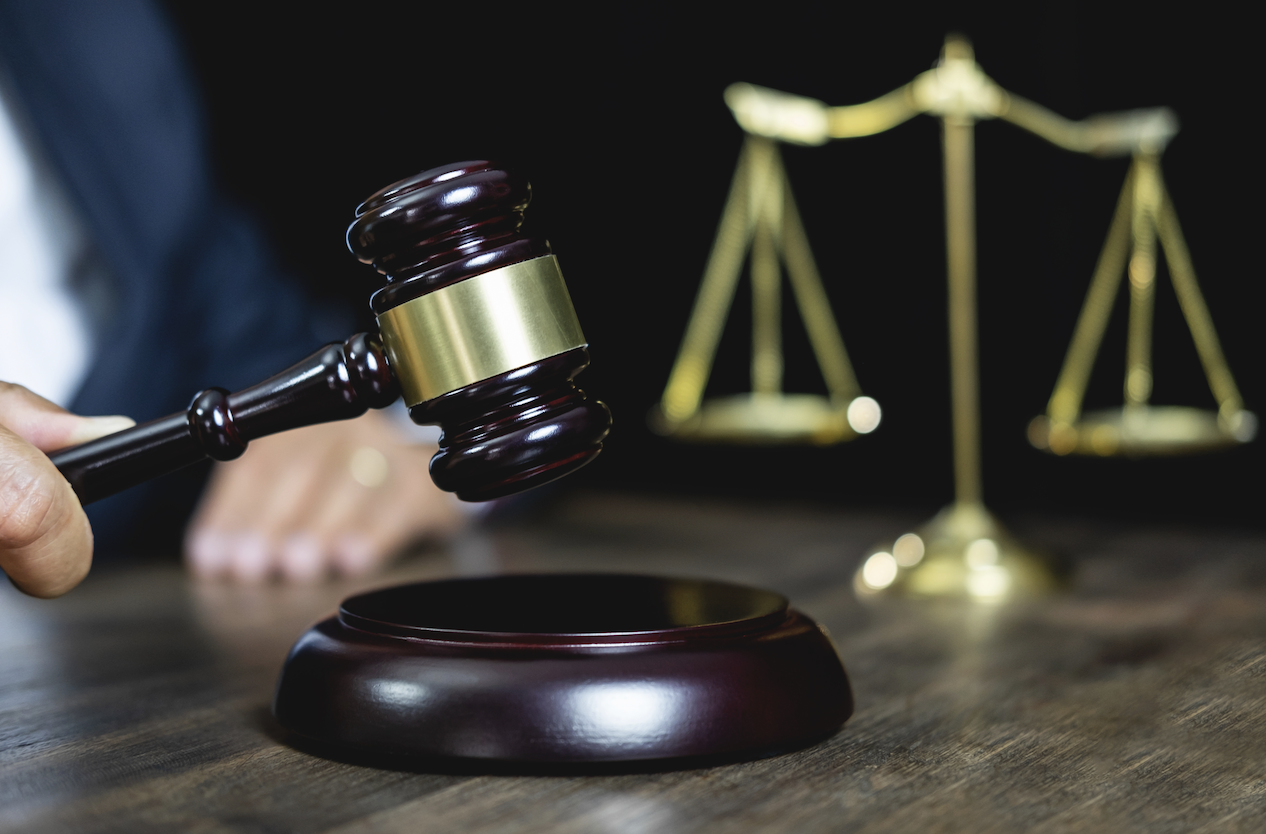
Since the overturning of Roe V. Wade and the skew of “right-wing” judges, some have bemoaned the politicization of the courts. However, the courts were always political regarding constitutional questions.

When a judge decides whether a law or executive action is constitutional, they are supposed to interpret the question using the Constitution as written. However, there is no objective way to interpret the Constitution. While the Supreme Court plays into a veneer of impartiality, the justices each have their own approach in determining the constitutionality of a policy.

Former Justice Antonin Scalia was famously a textualist who took the Constitution as the basis for rulings. Others, like Justice Clarence Thomas, are originalists, who look at the legislative history of the text and interpret it based on how it was understood at the time of adoption. Purposivists, such as former Justice Stephen Breyer, go a step further, as they analyze texts based on the intended purpose, beyond what the text says.

In this way, courts have often disagreed when ruling on constitutional questions, creating subjectivity and room for judicial ideology. This ideology, while not neatly falling into the right or left, is still an ideology after all. Thus, the courts are a political force by nature.

Share. Facebook Twitter Pinterest LinkedIn Tumblr WhatsApp Email
Previous ArticleHomeless Encampments in San Francisco Have Ruined the City’s Reputation
Vaibhav Sinha
  • X (Twitter)
  • Instagram
  • LinkedIn

Vaibhav Sinha is a policy writer interested in finding actionable solutions to address public problems. He primarily writes about economics, politics, and foreign policy.

Related Posts

Homeless Encampments in San Francisco Have Ruined the City’s Reputation

June 26, 2026

Who is Hated Most on the Internet?

June 26, 2026

Religious Deconstruction

June 26, 2026

Values Clash at Giants Pride Event Reveals How Exclusive Liberalism Actually Is

June 25, 2026
Leave A Reply Cancel Reply

HOT TAKES

Homeless Encampments in San Francisco Have Ruined the City’s Reputation

June 26, 2026

Who is Hated Most on the Internet?

June 26, 2026

Religious Deconstruction

June 26, 2026

Values Clash at Giants Pride Event Reveals How Exclusive Liberalism Actually Is

June 25, 2026
Connect with Us
  • Facebook
  • Twitter
  • Instagram
  • LinkedIn
Don't Miss
Ideas

Juneteenth hate affects everyone.

By Megan FincherJune 26, 20260

Recently on June 19th, Juneteenth was celebrated for the 6th year as a federal holiday.…

Olivia Rodrigo’s New Festival Is About More Than Music

June 26, 2026

Rand Paul’s Political Calculus

June 25, 2026

Education Department Changes Spark Debate Over Special Education and Civil Rights Oversight

June 24, 2026
Subscribe to ONC's Newsletter

Get the latest balanced blend of news, opinion and policy proposals from OUR NATIONAL CONVERSATION. Published weekly.

Our National Conversation

Our National Conversation is a registered 501(c)(3) nonprofit (EIN: 93-1906747)

HOME NEWS VOICES MULTIMEDIA GET INVOLVED ABOUT
Donate