

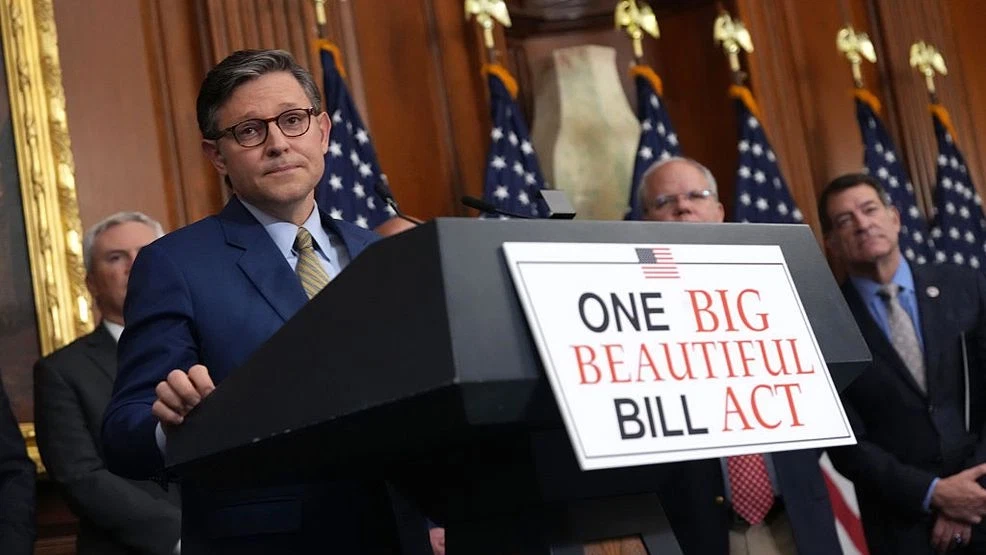
Taxes play a crucial role in ensuring that government revenue comes from individuals, businesses, and corporate profits. However, the Big Beautiful Bill limits educational access by cutting funding and altering taxation in areas such as estate taxes and tax deduction limits, while also making the Tax Cuts and Jobs Act changes permanent. As a result, wealth distribution becomes less and less visible.
To address the growing wealth gap, we need more legislation like the Financial Services Racial Equity, Inclusion, and Economic Justice Act, which aims to expand access to the financial industry.
In other words, if wealthy individuals have options that allow them to accumulate wealth over time—such as real estate investment, optimizing their tax situations, long-term investments, or legacy money management—these options should also be made available to those in the lower and middle income brackets.
Currently, our economic system tends to favor the wealthy, making it common for many to live paycheck to paycheck, including those in the upper middle class. Although the Big Beautiful Bill might lower government regulation on taxes, it does not effectively help distribute wealth to close the widening gap between the top 20% of earners, who receive nearly half of the nation’s income, and the bottom 50%, who earn only about 3%. (Supported by census data from Melissa Kollar and Zach Scherer, as reported by Dorothy Neufeld at Visual Capitalist, as well as data from the Federal Reserve Economic Data platform cited by Govind Bhutada at Visual Capitalist.)