

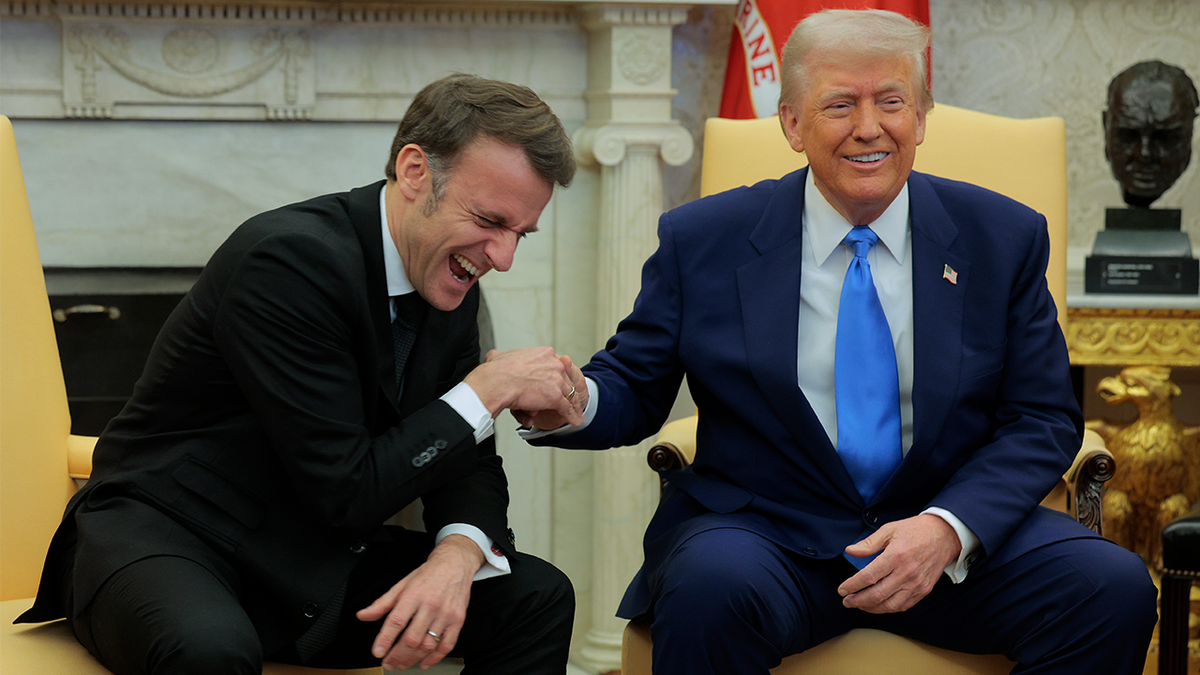
In his second term, President Donald Trump has championed a foreign policy doctrine of “Peace Through Strength,” emphasizing military might, economic leverage, and bold diplomacy to advance American interests. This approach has yielded notable success, such as brokering a ceasefire in Gaza and fostering warmer ties with some Middle Eastern nations, including Saudi Arabia.
Trump’s policy has indeed brought some stability to volatile regions. His administration’s National Security Strategy highlights achievements like negotiating peace in eight conflicts, including Gaza, and pressuring adversaries through targeted strikes on Iranian nuclear facilities and Houthi militants in Yemen. These moves have reduced threats from anti-American terror groups and encouraged diplomatic overtures from unlikely quarters, such as Syrian President Bashar al-Assad’s steps toward Western engagement. Russia, long a U.S. adversary, has adopted a more restrained diplomatic stance under Trump’s influence. Sanctions and tariffs have also compelled trading partners to make concessions, aligning with Trump’s vision of deterring aggression through overwhelming strength.
However, amid these gains, a growing rift with traditional European allies raises questions about whether this strategy is inadvertently isolating the U.S. from its most reliable partners. By prioritizing transactional deals and aggressive posturing—such as threats to acquire Greenland—Trump risks eroding the transatlantic alliances that have underpinned U.S. security for decades, potentially leaving America vulnerable in future crises. Trump says the US ‘needs’ Greenland ahead of Vance meeting with Danes
Yet this muscular approach appears to be backfiring with NATO allies in Europe. Historical tensions from Trump’s first term—such as rebukes of the UK over immigration policies and tariffs on Canada and Mexico—have escalated. The administration’s renewed interest in acquiring Greenland, first floated in 2019 and now intensified, has provoked a unified European response.
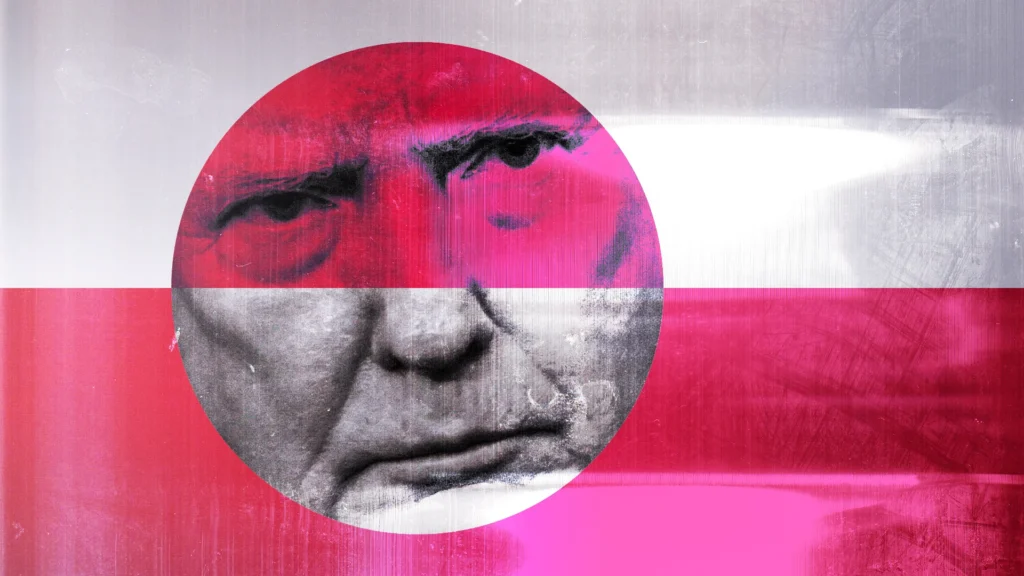
This week, European NATO members, including Denmark, Germany, Norway, France, Sweden, and the UK, deployed approximately 30 troops to the Arctic territory for joint exercises like Operation Arctic Endurance, signaling solidarity against U.S. pressure. French President Emmanuel Macron confirmed France’s participation at Denmark’s request, emphasizing commitments to security and environmental protection. This deployment followed high-level talks in Washington where Danish Foreign Minister Lars Løkke Rasmussen met U.S. Vice President JD Vance and Secretary of State Marco Rubio, describing the discussions as “frank but constructive” yet acknowledging a “fundamental disagreement.” Rasmussen stressed that any move disregarding Denmark’s territorial integrity would be unacceptable.
Greenland’s Prime Minister Jens-Frederik Nielsen encapsulated the strain, stating on Jan. 13: “If we have to choose between the United States and Denmark here and now, we choose Denmark. We choose NATO, the Kingdom of Denmark, and the EU.” This rebuke underscores how Trump’s threats—framed as essential for U.S. national security amid Arctic competition with Russia and China—have alienated a key ally. Denmark has responded by bolstering its military presence with additional ships, drones, and fighter jets while NATO partners rotate forces to deter potential U.S. overreach.
Trade relations further exacerbate these tensions. Trump’s tariffs on European goods and demands for higher NATO defense spending—now at 5% of GDP by 2035—have prompted accusations of bullying. The National Security Strategy criticizes Europe for “civilizational erasure” and conditions U.S. support on alignment with American policies, putting allies “on probation.” Surveys show declining trust: Among 10 European countries, only 16% view America as a reliable ally. This erosion echoes historical ironies, such as France’s pivotal role in America’s independence, now overshadowed by strained ties.
While Middle Eastern improvements are welcome, these new partnerships remain precarious. Saudi Arabia and others may share short-term anti-terror goals, but their long-term reliability is questionable amid shifting allegiances. In contrast, European allies have been steadfast against shared threats like terrorism and Russian aggression. Losing their support could prove costly during U.S. “tough times,” such as a potential Indo-Pacific conflict, where NATO’s collective defense might be invoked.
Trump’s strategy may project strength, but alienating traditional friends risks strategic isolation. A more balanced approach—combining firmness with alliance-building—could better sustain “Peace Through Strength” without turning allies into adversaries. As Europe adapts to an “unreliable” United States, the administration must weigh whether short-term gains justify long-term fractures in the Western alliance.
Acknowledgment: The ideas expressed are those of the individual author.
