

I decided to do a closet update recently. I went to a plethora of stores, looked at many prices and examined the material quality of a multitude of items. Eventually, I returned home with what I thought was a good haul. I was proud of myself up until a few days ago. I stumbled across the realities of textile waste not just in the U.S., but globally. It made me reevaluate my clothing-buying habits and the system that I had bought into.
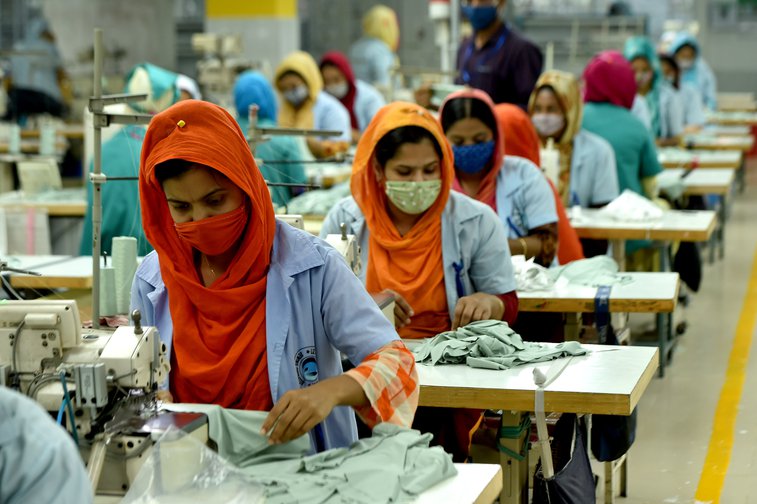
Fast Fashion is clothing that is hastily produced to replicate industry trends. The clothing is cheaply made and has very minimal longevity. The phenomenon is detrimental because it results in textile waste and environmental damage. The amount of waste fast fashion produces is enormous. Statistics from 2023 indicate that the fashion industry produces 97 million tons of waste every year. Of that amount, 18 million tons were textile waste, 2.5 million were chemical waste and 3 million were packing material waste. Additionally, the fashion industry contributes to 10% of carbon emissions globally.
Another fashion issue is water contamination. Producing synthetic fabric, as well as dying and treating all fabrics, contribute to the contamination of water sources. Lead, benzene, microfibers and many other harmful pollutants infiltrate the water and impact different sectors. These contaminants poison fish and toxify farms due to this contaminated water used to water food crops. This damages ocean biodiversity and destroys natural processes that contribute to a healthy Earth. The ocean drives climate stability, and the entrance of no-degradable pollutants into the water accelerates climate change.
Unfortunately, the market is saturated with fast fashion-producing brands. Some well-known companies that produce fast fashion are Forever 21, Express, SHEIN, H&M, Zara and many more. As someone who has frequently purchased Forever 21 products, it’s easy to see how consumers fall into buying patterns.
Clothing is created for accessibility rather than longevity, and after leaving the shelves, the clothing articles are expected to last a few months if that. When the products fade or fail, the cycle continues. While eco-conscious buyers have taken it upon themselves to buy and use clothing sustainably, doing so has become increasingly more difficult.
Environmentally conscious purchasing is a financial burden due to the inflated prices that accompany quality material clothing. Thrifting, despite being a fashion trend, has become increasingly less reliable in offering clothing at competitive prices. Some critics suggest that Gen Z has a fast fashion problem, but the truth of the matter is the system isn’t designed for environmental sustainability. Blaming a singular generation is an oversimplification of a more complex issue.
This cyclic problem requires producers to take responsibility for their products. That’s where Extended Producer Responsibility (EPR) can improve the situation. EPR is an environmental policy that shifts the product responsibility back onto the producer after a consumer has discarded it.
Currently, comprehensive infrastructure to collect, sort, reuse and recycle clothing does not exist. An EPR would require producers to pay into a Producer Responsibility Organization (PRO), who in turn make sure that the used textiles are diverted to the proper recycling channels that the PRO themselves have developed.
The U.S. is already making steps towards implementing EPR programs, starting with California. In 2023, Senate Bill (SB) 707 the Responsible Textile Recovery Act (RTRA) was introduced, though it’s still in progress over a year later. If passed, the bill will implement comprehensive EPR processes in California. It would be a major step for the United States if it were to be passed. In Europe, the parliament is also trying to make big steps towards implementing EPR, and hopefully, as more countries see its effectiveness, more will continue to implement similar policies. It’s crucial that California, a national environment leader, is successful. Combating textile waste must be a global effort, but presently, these next steps are crucial.
Acknowledgment: The opinions expressed in this article are those of the individual author.
