

Government programs depend on robust oversight to function properly. When those safeguards fail, the results can be catastrophic. Minnesota’s sprawling fraud scandal demonstrates exactly what happens when basic accountability measures either don’t exist or aren’t enforced.
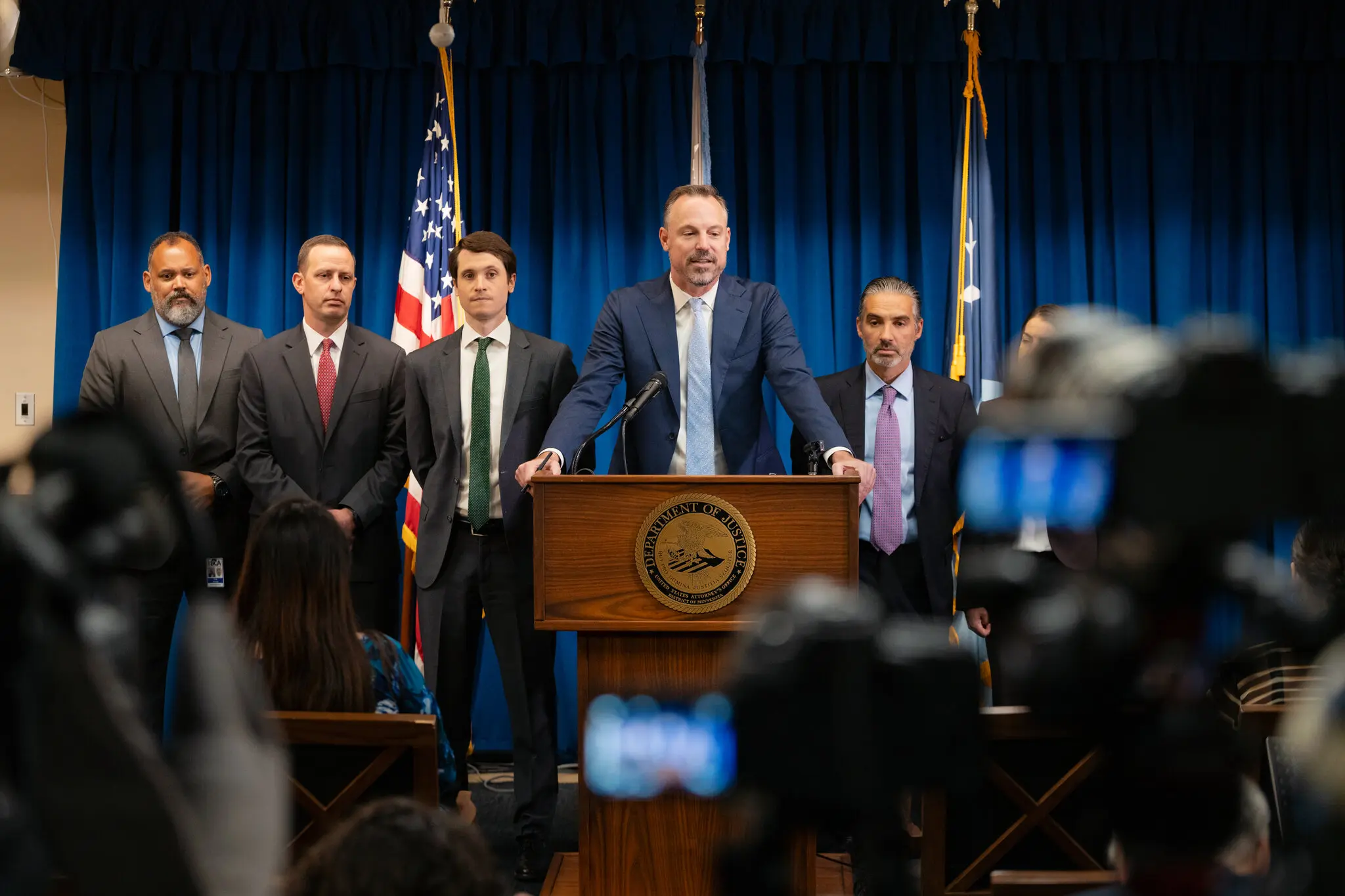
The scale of the fraud is substantial. U.S. prosecutors have uncovered what they describe as “schemes stacked upon schemes” that siphoned hundreds of millions, possibly exceeding $1 billion, from programs meant to feed children, house vulnerable families, and provide autism services. More than 70 defendants have been charged, with most connected to Minnesota’s Somali community. But before anyone rushes to make this about immigration or ethnicity, let us be clear that this is fundamentally a story about government dysfunction that allowed criminals—regardless of background—to exploit programs with ease.
How Did This Happen?
The Feeding Our Future case alone involved $250 million meant for children’s meals during COVID-19. Prosecutors allege conspirators created fake meal sites, fabricated attendance records, and submitted fraudulent invoices while the money funded luxury vehicles, international honeymoons, and multimillion-dollar properties. Minnesota’s Medicaid autism program saw diagnostic fraud that should have triggered immediate red flags—autism rates in certain communities suddenly skyrocketed to implausible levels, yet oversight failed to catch it.
An audit from the Minnesota Office of the Legislative Auditor found that state oversight was “inadequate” and that failures “created opportunities for fraud.” When the Minnesota Department of Education grew suspicious and tried to stop payments in 2021, Feeding Our Future actually sued the state for racial discrimination, and a judge ordered payments to restart, allowing the fraud to escalate.
The Uncomfortable Truth About “Political Correctness”
Here is where we need honest conversation. Heritage Foundation researcher Simon Hankinson argues that fear of being labeled racist contributed to delayed action: “Liberal Americans, in particular white liberal Americans, are more afraid of that label than anything else. Some of these scammers threatened to make a fuss about being targeted on account of race or immigrant status or religion.”
This observation deserves serious consideration from both sides. Conservatives are right that legitimate fraud investigations shouldn’t be derailed by accusations of discrimination. But progressives are also right to worry about tangible discrimination—there is a documented history of immigrant communities being unfairly scapegoated for problems they didn’t create. The solution is to implement race-neutral safeguards that catch fraud no matter who’s committing it.
Bipartisan Failures
This is a competence crisis. Governor Tim Walz’s administration clearly failed in oversight, with state Senator Jordan Rasmusson noting that concerns about political correctness “halted the Walz administration from doing the investigations they needed to protect Minnesota’s tax dollars.” Still, let us not pretend this is uniquely Democratic incompetence. The fraud escalated during both the Trump and Biden administrations, and similar scams have plagued red states, too.
The real problem is that Americans have created labyrinthine government programs with insufficient oversight mechanisms, then acted surprised when opportunistic criminals, from any community, exploit the gaps. When Minnesota’s Housing Stabilization Services program was projected to cost $2.6 million annually but paid out more than $100 million last year, someone should have noticed. When the autism program’s budget jumped from $3 million in 2018 to nearly $400 million in 2023, alarm bells should have been ringing.
The Double Tax on Honest Citizens
Now, Minnesota taxpayers get to pay twice: once when the money was stolen, and again for the cleanup. The state is creating new oversight offices, hiring compliance staff, and implementing prevention measures, with Governor Walz’s executive order alone costing $54 million through 2029. Meanwhile, U.S. officials have recovered only about $60 million of the estimated $250 million stolen in the Feeding Our Future case.
Moving Forward Without Scapegoating
Rep. Ilhan Omar correctly notes that Minnesota’s Somali community, roughly 84,000 people, shouldn’t be collectively blamed for the crimes of fewer than 100 individuals. The vast majority are hardworking taxpayers who are also victims of this fraud. At the same time, community leaders must acknowledge that tight-knit communities can sometimes enable fraud through silence. True accountability means prosecuting those who committed the crimes while rejecting collective punishment based on ethnicity or background.
The path forward requires three things. First, implement robust, automated fraud detection that flags statistical anomalies before they balloon into billion-dollar scandals. Second, separate legitimate civil rights concerns from cynical manipulation—real discrimination exists, but so does real fraud. Third, demand accountability from government officials who allowed this to happen, whether they are Democrats or Republicans.
Minnesota’s fraud scandal is not really about immigration, ethnicity, or even partisan politics. It is about what happens when we build massive government programs without the safeguards to protect them, then let political fear prevent us from addressing obvious warning signs. Every American (left, right, or center) should be furious that their tax dollars funded luxury lifestyles while children went hungry and vulnerable families went unserved.