
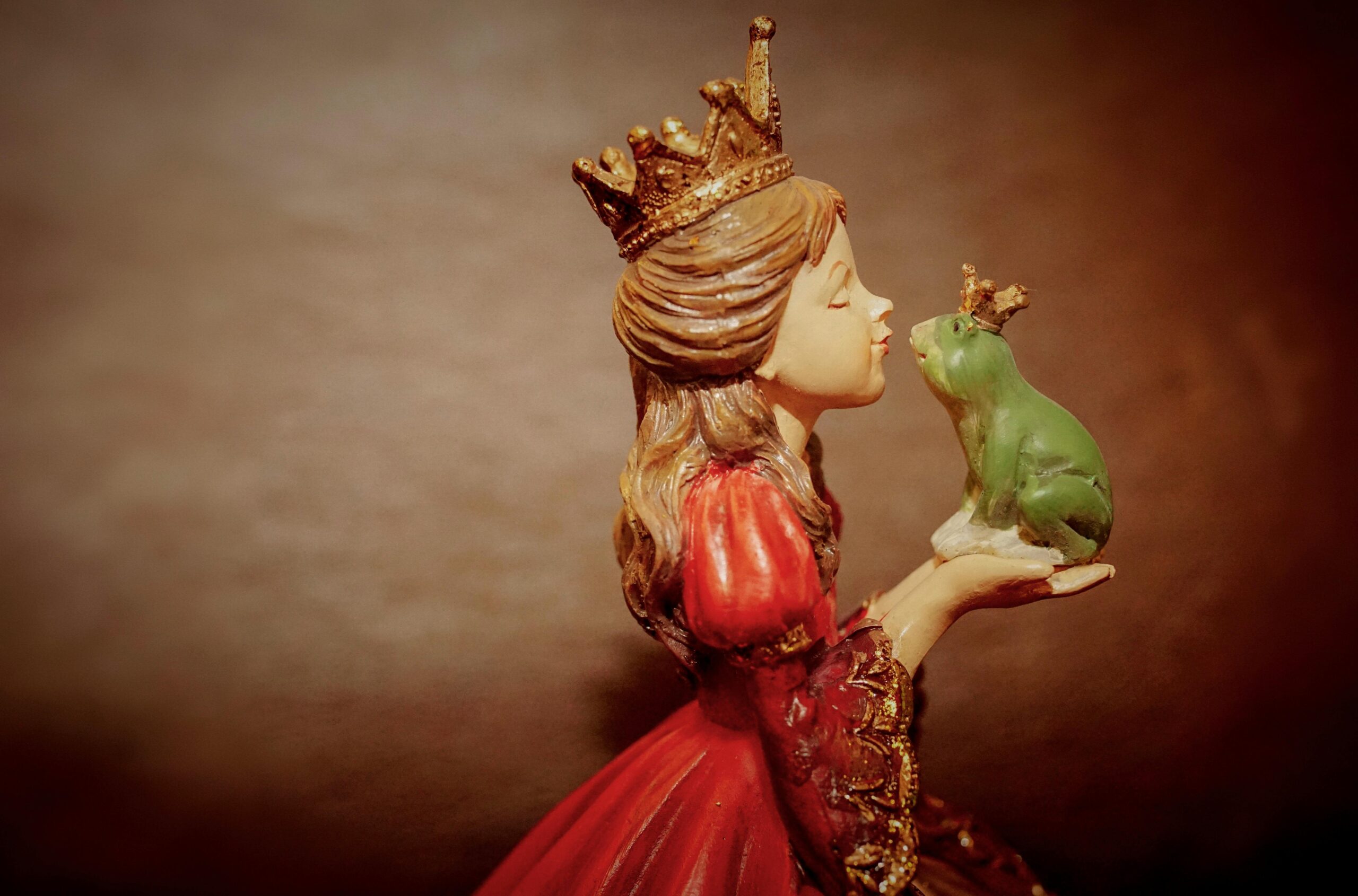
In the modern age of social media, many women are chasing a new kind of dream that covers neither the modern ideals of feminism, nor old-fashioned traditional gender roles.
Instead, a phenomenon called “princess treatment” is on the rise. It is a way of life depicted on social media that showcases luxury bags, designer clothes, expensive vacations and being constantly pampered by the “perfect” man.
On the surface, the concept of princess treatment seems like a picture-perfect life. Your partner pampers you with gifts, opens doors and generally funds your lifestyle. It is the stuff of rom-coms and romance novels. But, there is more going on underneath the surface than just “couple goals.” This trend is an interesting mix of unrealistic standards and pressures that turn relationships more into performances than genuine connections. As this trend has gained more traction, it has also become increasingly misguided.
Buzz Words For Toxicity
Among many female influencers in the self-help space, there is a growing belief that princess treatment is something they’re entitled to. Phrases like; “If he wanted to, he would,” or “Never lower your standards” are increasingly common and praised. What they are essentially saying, though, is that perfection from their partners is expected, and anything less is unacceptable.
In an article published by Forbes, psychologists dove deeper into the growing trend, calling it “excessive entitlement.” Excessive entitlement enters the room when a person solely focuses on their own needs and neglects their partner’s. Princess treatment exemplifies this phenomenon when women expect constant attention and special treatment without offering the same consideration in return.
Social media is filled with influencers teaching women how to be “high-value” and how to attract men who will treat them like princesses.
YouTubers like The Wizard Liz and Tam Kaur are influential figures in this space. The Wizard Liz has said things like, “If a man isn’t treating you like a queen, he’s not worth your time. Don’t lower your standards for anyone,” Other videos of hers are titled, “Stop dating broke guys” and “Why everyone is always obsessed with me.” Kaur’s messages similarly push aside realistic expectations and negate reciprocity.
However, these teachings create impossible expectations for young women. These women cannot help but begin to wonder, who exactly do they have to become to be a woman who gets princess treatment?
Looking In The Mirror
When women begin to believe in something aspirational (like princess treatment), they feel the need to increase their likeness to those receiving princess treatment. This often results in negative self consciousness and attempts to transform themselves to fit the modern standard of what they are told men want. However, this neglects one crucial aspect of relationships: authenticity.
In the digital age, people we look up to are often found online, where they can spread a popularized idea in an instant. Though this can be positive in some cases, it can also cripple our expectations of each other, especially when looking up to influencers who promote princess treatment. However, what we see on social media is rarely the truth.
Scientifically Entitled
One study researched how influencers are affecting their users and found that influencers largely influence women’s ideals. These often include unrealistic standards that lead to body dissatisfaction, low self-esteem and unhealthy comparison. Another study found that self-discrepancy — the gap between one’s real self and ideal self — worsens with exposure to influencers. Our perception of their “perfect” lives leave us delusional about our own lives, which are much more realistic.
Another survey found that 75 percent of young women said that influencer content harmed their self-worth and identity. The idea that you need to be perfect to deserve an ideal relationship, perpetuated by your favorite influencer, is clearly harmful. With this information, people need to be more careful about the media they consume.
Additionally, how we were treated as children plays an impactful role in how people view themselves and others in relationships. This goes on to lend itself to how people treat themselves and how they allow others to treat them. In the digital age, this goes on to affect how people allow influencers’ opinions to affect them.
Psychologists have believed that adults may subconsciously seek relationships that are similar to their family dynamics, which feel safe and familiar, even if the dynamic was unhealthy. These overlapping circles may create unhealthy dependencies and attachment styles in relationships.
For example, women may subconsciously seek out relationships where they’re treated like a child by a partner who acts like a parent, which fulfills a childhood longing, even if it limits autonomy and growth. This phenomenon is exacerbated by social media and the distorted view of relationships people get from curated visions of others’ lives.
Bottomline
Upon first glance, princess treatment might seem like harmless fun or even a form of female empowerment. After all, what woman wouldn’t want to be loved, cared for and treated like a princess? However, many issues lie below the surface. The idea of princess treatment can chiefly lead to unfulfilling relationships because people feel like they have to live up to a certain standard.
Social media has created a world where perfection is the goal. Relationships are not perfect, but that does not make anyone undeserving or unworthy of a happy one. While personal growth and improvement are important, “perfection” is both unrealistic and impossible. Constantly striving to be perfect before allowing yourself to be happy is extremely harmful. Throughout our lives and relationships, we will constantly go through phases. It is important to work through them instead of against them.
Acknowledgment: The ideas expressed are those of the individual author.
