
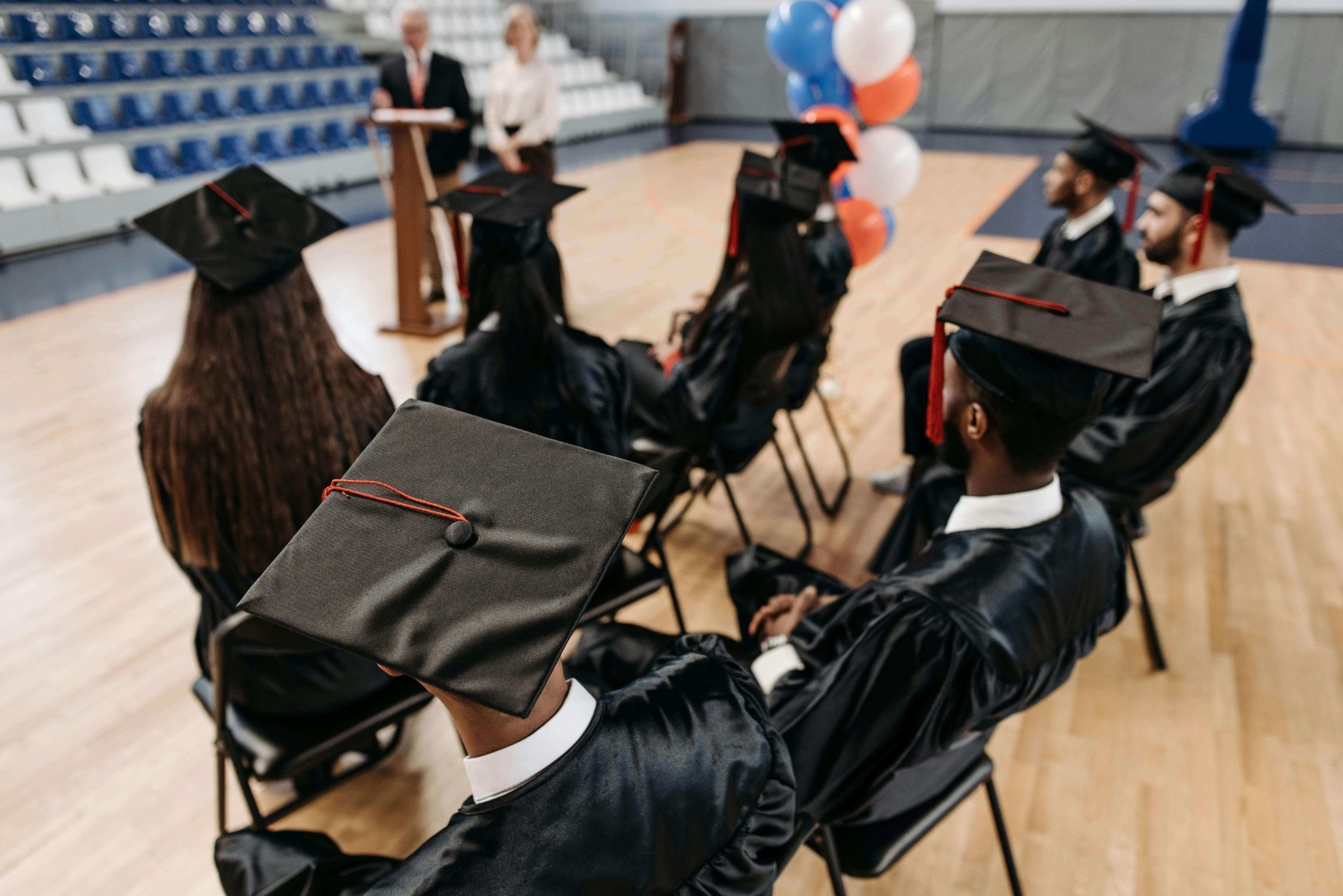
Historically, the U.S. has welcomed international students, but that commitment is now being called into question. Recently, the Department of Homeland Security proposed an order to terminate Harvard University’s Student and Exchange Visitor Program (SEVP) certification. If enacted, international students will be unable to enroll at Harvard, though they make up six percent of the U.S. higher education population. Those already enrolled would be forced to transfer or risk losing their legal status. Ironically, 2019 and 2020 international students earned 49 percent of all STEM master’s degrees and 57 percent of STEM doctorates. Furthermore, the U.S.’s global reputation for STEM courses drew many students here to pursue their academic ambitions. What was once a promising force in the country’s scientific innovation is now a legal point of contention.
Although the action was directed at Harvard, the consequences have rippled far beyond Boston, stirring uncertainty across the international student community. Harvard has indicated that this bill puts the legal status of more than 5,000 international students and scholars at risk. Consequently, the U.S.’s image as a destination for global talent has been tarnished. In response, the university has promised to stand with its international community and take steps to protect their rights.
Success, For Now
Recently, a federal judge signaled that a temporary restraining order would be issued against the Trump administration, effectively halting their move. While this ruling offers a brief pause, the broader impact of these drastic measures is likely to withstand. This case has affected families, communities and U.S. academia as a whole. Even if legal action ultimately overturns the ban, the Trump administration appears indifferent to the legal status, hard work and well-being of international students who have earned their places at top institutions.
Moreover, the decision to target Harvard did not emerge in isolation: it is part of a pattern of tension between the Trump administration and academic institutions. Harvard’s refusal to comply with certain federal demands has been met with increasing pressure, though. The administration’s efforts extend beyond Harvard, to all higher education, especially Ivy League schools. Threats to withhold billions in federal funding have become a recurring tactic. The government’s attempt to control admissions policies, and its willingness to exploit visa certification, reflect a troubling effort to use education policy as political retaliation.
The Calm Before the Storm
Although the judge’s intervention has stalled the policy for now, the clash between Trump and Harvard is far from over. The administration has given Harvard 30 days to contest the decision. Meanwhile, the university has indicated its plans to take legal action to protect its international student community. Trump has even threatened to revoke Harvard’s tax-exempt status, escalating the rhetoric. As the political back-and-forth continues, the burden will fall not on those enacting these decisions, but on those who are most vulnerable.
Some may frame this as a method of protecting American students or upholding national interests. But, threatening students’ immigration status is neither just nor defensible. The right to govern and regulate should not extend to targeting students or manipulating education policy. For the sake of supporting scientific research and societal progress, federal research funding should never be entangled in partisan agendas.
On the contrary, it is now being used as leverage to demand compliance and turn students into collateral damage. For now, it is international students who must shoulder the consequences. Who will be next?
Acknowledgement: The ideas presented are those of the individual author.
