

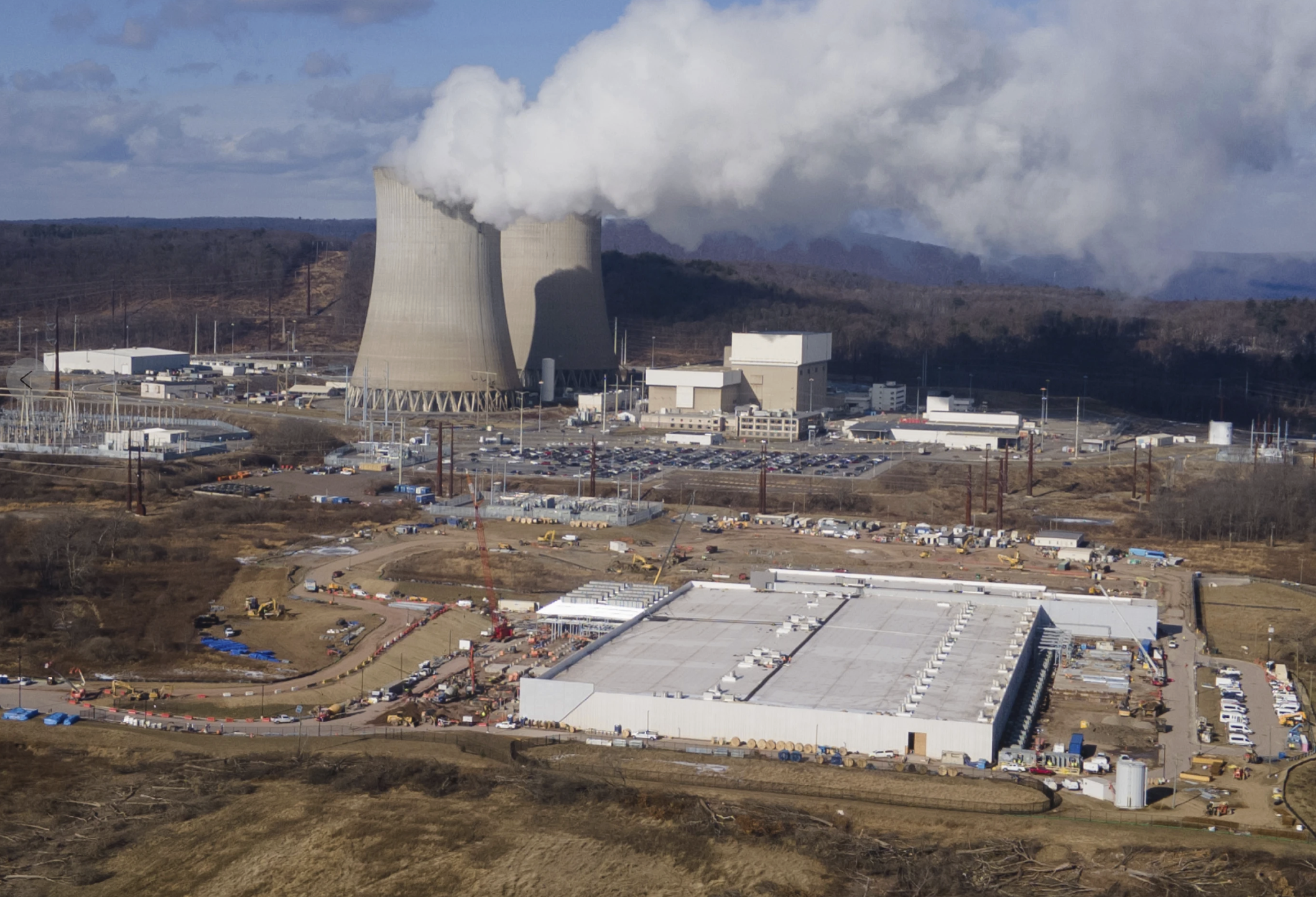
Artificial intelligence has rapidly become part of everyday life, from search engines and social media to schoolwork and professional settings. While much of the conversation around AI focuses on innovation and efficiency, less attention has been paid to the environmental and societal costs of its growth. As demand for AI tools continues to increase, so does the strain on natural resources and on how people interact with technology.
The Environmental Cost Behind AI
AI systems rely on data centers that use significant amounts of water to cool servers and prevent overheating. As demand for AI tools increases, so does the need for these cooling systems.
Some estimates show that AI systems may require millions of gallons of water each year to support data center cooling operations, highlighting the scale of resource use tied to emerging technologies. As more companies invest in AI development, the expansion of data centers is expected to continue, raising concerns about long term sustainability and environmental impact.
Energy Demand and Infrastructure
In addition to water usage, AI systems require large amounts of electricity. Data centers must operate continuously to support real-time processing, increasing pressure on energy infrastructure.
Projections suggest that global electricity demand from data centers is expected to rise significantly as AI use expands, reflecting how quickly the technology is scaling. This growing demand begs the question of whether existing infrastructure can support continued expansion without additional environmental strain.
AI’s Growing Role in Everyday Life
Beyond its environmental impact, AI is also changing how people interact with information and technology. Students, professionals, and everyday users are increasingly relying on AI tools for writing, research and communication.
Recent data shows that a growing number of Americans are incorporating AI into daily tasks and decision-making, reflecting how quickly the technology has become embedded in everyday routines. While AI can improve efficiency, it also raises questions about dependence, originality and how information is produced and consumed.
Policy and Responsibility
As AI continues to grow, policymakers are beginning to consider how to manage its broader impact. Discussions around regulation focus on balancing innovation with accountability, particularly when it comes to environmental sustainability and resource use.
Ongoing debates reflect concerns about the need for clearer oversight of AI’s environmental footprint and infrastructure demands, as governments evaluate how to respond to rapid technological change. The challenge moving forward is determining how to support innovation while also addressing the long-term effects of AI expansion.
Why This Matters Now
The growth of artificial intelligence is reshaping both technology and society, but its broader impact extends beyond the digital space. Increased water usage, rising energy demand and shifts in everyday behavior all point to a larger conversation about sustainability and responsibility.
These developments raise important questions moving forward:
- How should governments regulate the environmental impact of large-scale AI systems?
- What responsibility do tech companies have in managing water and energy usage tied to AI development?
- How will increasing reliance on AI continue to shape how people learn, work, and interact with information?
As AI becomes more embedded in daily life, understanding its hidden costs may become just as important as recognizing its benefits. The question moving forward is not only how far AI can go, but how it can develop in a way that remains sustainable for the future.
Sources
A bottle of water per email: the hidden environmental costs of using AI chatbots
Artificial intelligence in daily life: Views and experiences
White House Unveils A.I. Policy Aimed at Blocking State Laws.
