

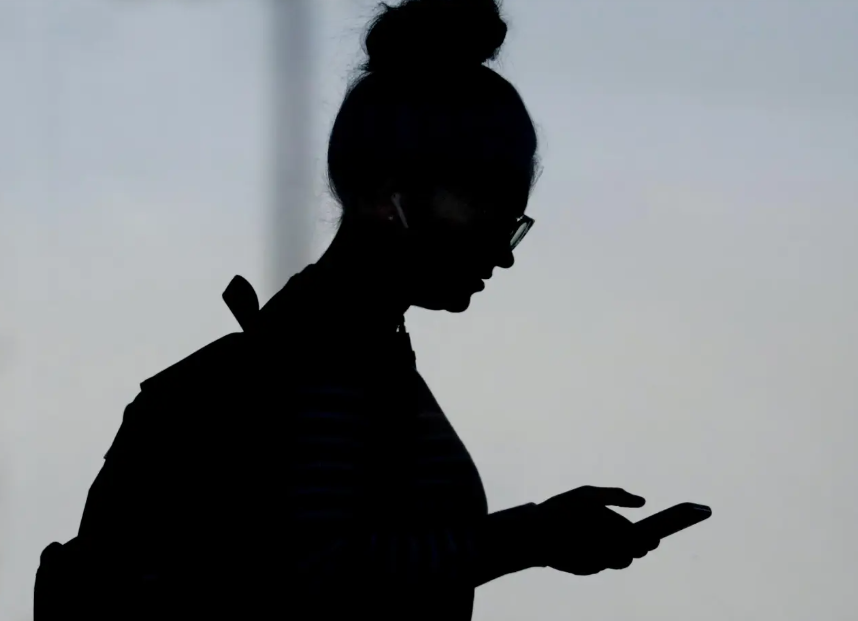
In an era where information flows endlessly, Generation Z—born between 1997 and 2012—stands out as surprisingly attuned to political news, a stark contrast to the apathy often attributed to youth.
Surveys reveal a surge in teen interest since 2015, with 60% of Gen Z reporting they follow political issues closely, outpacing Millennials at similar ages. This shift isn’t accidental; it’s driven by the omnipresent force of social media, where algorithms curate feeds, infinite scrolls captivate, and the pressure to stay updated fuels constant engagement. While previous generations chose their media selectively, Gen Z’s digital ecosystem has made political awareness almost inevitable, reshaping how young people interact with the world.
Consider the media landscape of the 1990s and early 2000s, when Millennials grew up. Options were limited: black-and-white TVs with antennas, remote controls for channel surfing, and newspapers or evening broadcasts. People actively selected what to watch or read—perhaps tuning into CNN for headlines or flipping through a magazine. Kids, per surveys, largely avoided news, preferring movies and songs. Engagement was deliberate but sporadic; there was no endless stream demanding attention. Millennials might discuss politics at the dinner table or through school, but awareness was gated by access and interest.
Fast-forward to 2015: the explosion of social media transformed this dynamic. Platforms like Facebook, once with finite notifications, evolved into bottomless feeds via infinite scrolling—a design pioneered in 2008 that keeps users hooked by removing natural stopping points. This “endless scroll” boosts session times by 50%, turning casual browsing into hours of consumption. For Gen Z, news infiltrates these feeds seamlessly. Algorithms analyze likes, shares, and views to suggest content, prioritizing sensational political stories that drive engagement. A Pew study shows that 53% of Gen Z gets news from social media daily, far more than Millennials’ reliance on TV or print. TikTok and Instagram amplify this, with short-form videos on elections or protests going viral, exposing users to politics even if unintended.
This algorithmic push creates a feedback loop. Behavioral studies indicate Gen Z’s “always-on” mindset stems from apps like Discord, where real-time discussions demand constant updates. Fear of Missing Out (FoMO) exacerbates it; excessive screen time correlates with a need to stay informed, linking to higher political engagement. Unlike Millennials, who might skip news altogether, Gen Z outperforms older cohorts in civic knowledge and voter turnout. A Harvard Youth Poll notes Gen Z’s record participation in recent elections, fueled by platforms that facilitate learning and activism.
Yet, this awareness comes at a cost. Congressional hearings have grilled Facebook and YouTube executives on addiction, accusing them of designing features that hook teens, leading to mental health issues. Landmark trials echo this, alleging that Meta and Google prioritize engagement over safety. Books, once a staple for deep dives into politics, are losing ground; reading for pleasure dropped 40% since 2003 as digital news surges. Gen Z switches to bite-sized digital content, where algorithms suggest polarized views, potentially deepening divides.
What happened? Social media democratized information but weaponized it through addiction-driven designs. Gen Z’s awareness isn’t just curiosity—it’s a byproduct of a system built to captivate. Compared to predecessors, they’re more informed but fatigued, with 79% following news yet unhappy about it. So this paradox demands reform: transparent algorithms, digital literacy, and balanced media habits.
But, regardless of the impact of news reading, there’s no doubt that the younger generation is more aware of politics at their age than their predecessors.
Acknowledgement: The opinions expressed in this article are those of the individual author, not necessarily Our National Conversation as a whole
Image taken by Rick Bowmer of the AP News
