

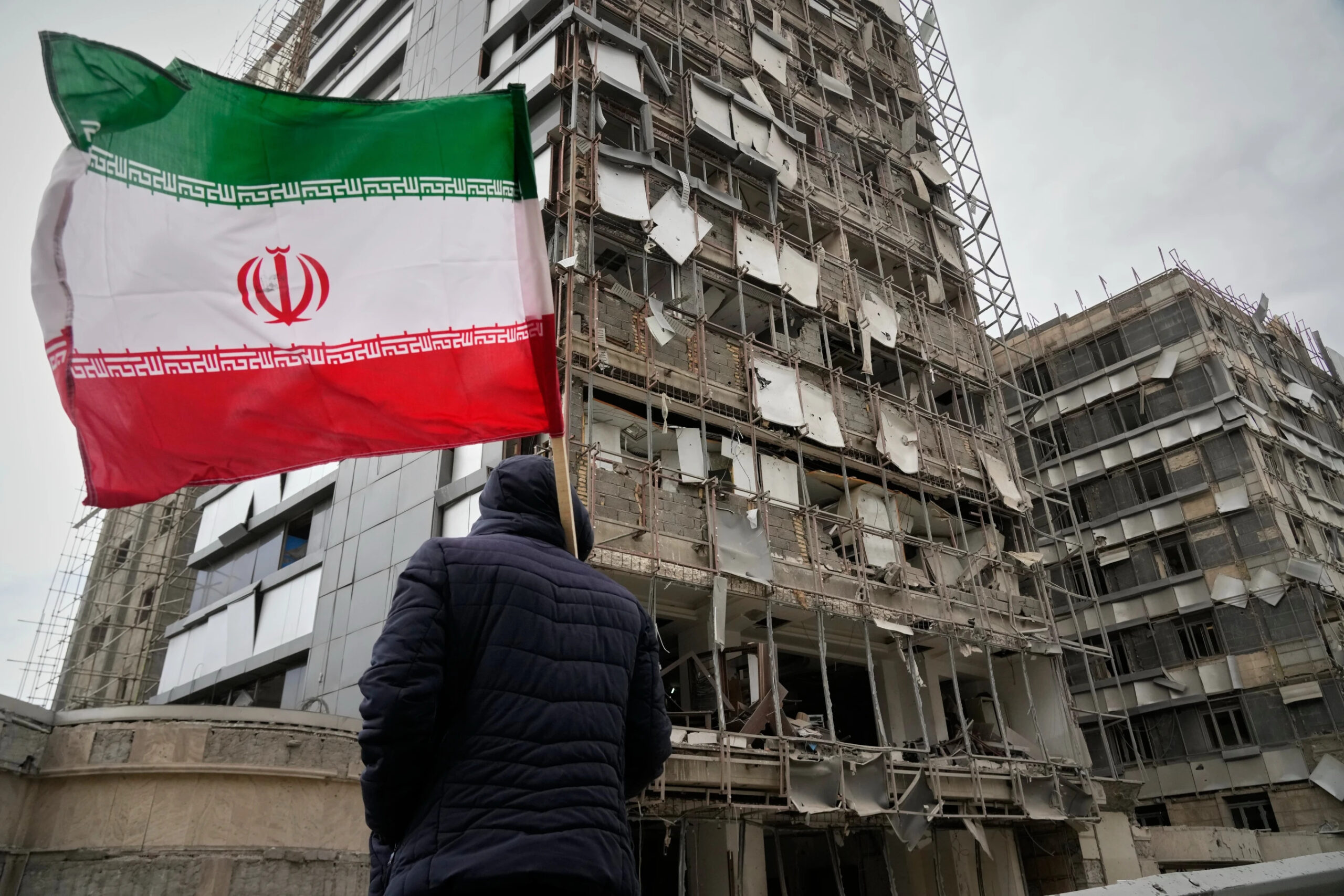
On February 28th, the Supreme Leader of Iran, Ali Hosseini Khamenei was killed amid a series of strikes by the US and Israel. Feelings all around the world have been a mixed bag. For many Iranians at home and abroad, this weekend has been one of jubilation, especially for those who have had family members imprisoned or killed by the Iranian regime. People have flooded the streets of Tehran, dancing, cheering, and setting off fireworks. However, many in Iran are not so happy, with some expressing their loyalty to the regime, and others fearing that what happened to Iraq will happen to Iran. In the United States, perspectives also vary greatly. According to an IPSOS/Reuters survey released today, only 27% of Americans approve of President Trump’s attack on Iran.
The Iraq War, the 2003 U.S.-led invasion aimed at removing Saddam Hussein over alleged weapons of mass destruction, has left a very real stain on the idea of regime change in the American public’s eyes. While the war initially was supported by the public, by 2019, 16 years after the war began, 62% of Americans, and 64% of veterans felt that the Iraq War was not worth fighting. Despite successfully ousting Muammar Gaddafi, US-led regime change failed once again, resulting in a fragmented and unstable Libya. The Afghanistan War, which lasted nearly two decades, ended with the Taliban assuming control over Afghanistan anyways. With the culmination of these events, it is no wonder that the American people, and the world, have no faith in the US to successfully carry out regime change. With the midterms coming up, and three American casualties already confirmed, with the president warning that there will be more to come, selling Americans on intervention in the Middle East will be an upward, but crucial battle. There are already signs of cracks, with President Trump telling the media that his potential candidates to lead Iran have all been killed.
This conflict has incited great divide both between, and within political parties. The majority of Republicans support the strikes, whereas most Democrats do not. Democratic politicians have voiced their dissent for the war, including Congresswoman Rashida Tlaib, who tweeted “You cannot ‘free’ people by killing them and destroying their country.”
Many Republicans have made it clear that they support the President’s actions, such as Ted Cruz, stating that “Today’s action will enhance the national security of the United States and our allies.” However, we have seen a very real divide amongst conservatives in terms of support for military action against Iran. Only 55% of Republicans support the strikes on Iran, making it a rather slight majority. Republican Congressman Thomas Massie posted on X today, saying that “We’ve spent $8 trillion in the Middle East. That’s 100 X annual federal spending on roads and bridges. Picture how great our country could be if we’d spent that $ here. Imagine how affordable groceries & housing would be if we hadn’t printed all that $”.
Popular conservative influencer Nick Fuentes has encouraged his supporters to not vote in the midterms, or vote Democrat, out of anger towards the war with Iran.
This unrest has travelled off social media, as on March 1st, a possible terrorist attack was carried out in Austin, Texas. Senegalese immigrant Ndiaga Diagne opened fire on Buford’s Backyard Beer Garden, killing two and injuring fourteen. Ndiaga was wearing a shirt with the Iranian flag, and a sweatshirt saying “property of Allah”, likely meaning that the attack had something to do with the current conflict with Iran.
It is unfortunate to see Americans so divided and doubtful of America’s ability to change the world for the better. During World War Two, Americans came together with a shared purpose, with both civilians and soldiers demonstrating our spirit of unity and resilience. After the war, the United States would rebuild Europe and Asia, including Japan and Germany. Between 1945 to 1952, U.S. occupying forces led by General Douglas A. MacArthur would lead the allies in the occupation and rehabilitation of the Japanese state, enacting military, political, economic, and social reforms. This included purging tens of thousands of wartime leaders. Japan would rise to become an economic powerhouse, and remains one of our greatest allies to this day. Its neighbor South Korea, would become one of the greatest examples of US led nation building during the Cold War. The United States has shown that it can rebuild countries, even former enemies, into thriving democracies and enduring allies.
However, I am not so sure if the America of the Second World War and the Cold War is the America of today. Back then, Americans were still divided on many things, but were united in their belief in the United State’s purpose and capacity to create a better world. When I look around today, I see that political division, war fatigue, and America’s past blunders have eroded that confidence to the point that intervention seems synonymous with failure, and rightfully so. But as I look upon the joyful faces of people in Iran, who feel hope for the first time in so long, I choose to believe that the United States still has the power to make the world a better place for those who yearn for peace and freedom.
Acknowledgement: The opinions expressed in this article are those of the author, and not necessarily those of Our National Conversation as a whole.

1 Comment
It is interesting to see elements of both the right and left be very skeptical of any form of American activity internationally. But seeing the reactions of Iranians both in and outside of Iran (who appear to be celebrating), there still seem to be some who hope in America’s record of being able to make change for the better. America is not perfect, but perhaps we need a revival of modest idealism and the willingness to try to help.
This was a good article reviewing both America’s past failures and successes. Thanks for the good overview.