
When we mention the term “slavery,” people tend to think about the Atlantic slave trade. The Atlantic slave trade happened where African people were enslaved and transported to the Americas. That notion of slavery is widely discussed in the United States, and viewed as an unfortunate time in history. However, nearly 50 million people live in slavery across the globe, and within that number around 400,000 people in the United States currently live under forced labor conditions.
Forced labor in the United States takes form in various ways. Sectors that have cases of labor trafficking every year include domestic work, agriculture, construction, retail, hospitality and illicit activities. Domestic workers face exploitation through withheld passports , isolation, and verbal and physical abuse. Similarly, employers exploit agricultural workers by holding their passports and documents. Migrants, particularly unaccompanied minors, are at risk of forced labor to pay back debts to their traffickers. Moreover, sexual exploitation of both adults and minors are a widespread form of modern-day slavery in the United States.
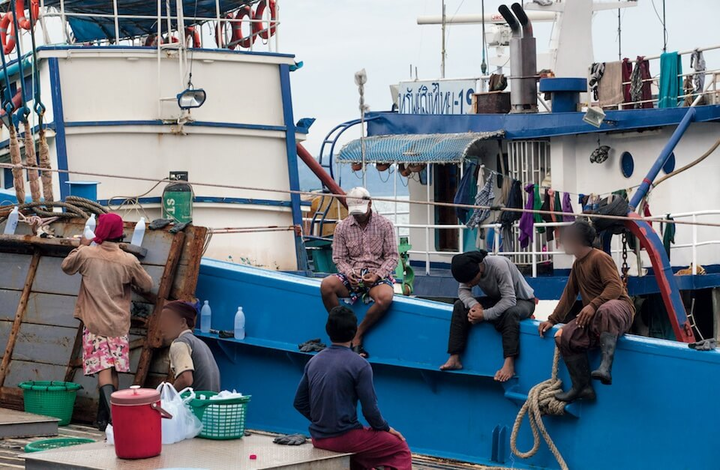
Many products we commonly buy come from slave labor. One major example is the seafood supply chain. Fishing boats and fisheries often use slave labor, mainly through brokers and agencies that coerce and deceive migrant workers. The practice is especially common in Southeast Asia, a major seafood provider. One Thai fisherman recounted that “They would torture and murder the fishers then throw them into the sea. They abused the crew in many ways – beating, hitting and killing out on the ocean. I witnessed murder with my own eyes.” Popular seafoods like shrimp, sardines, and tuna come from these boats. Similarly, the cocoa industry uses a large quantity of forced labor, often involving children. Traffickers in West Africa often coerce or kidnap children, and sell them to work on cocoa farms where the labor is extremely grueling, dangerous, and often unpaid. One freed worker said, “When people eat chocolate, they are eating my flesh.”
It is important to be aware of how we produce the everyday things we take for granted and mindlessly consume. We should buy from local companies or brands that uphold high ethical standards. Of course, it is difficult to make an impact on these multi-billion-dollar industries on an individual basis. However, collective awareness and small, consistent choices can create pressure for change. Supporting stronger labor laws, holding corporations accountable, and staying informed about supply chains help reduce demand for forced labor. Even if the impact feels limited, choosing not to ignore the issue is an important first step toward addressing modern-day slavery.
