

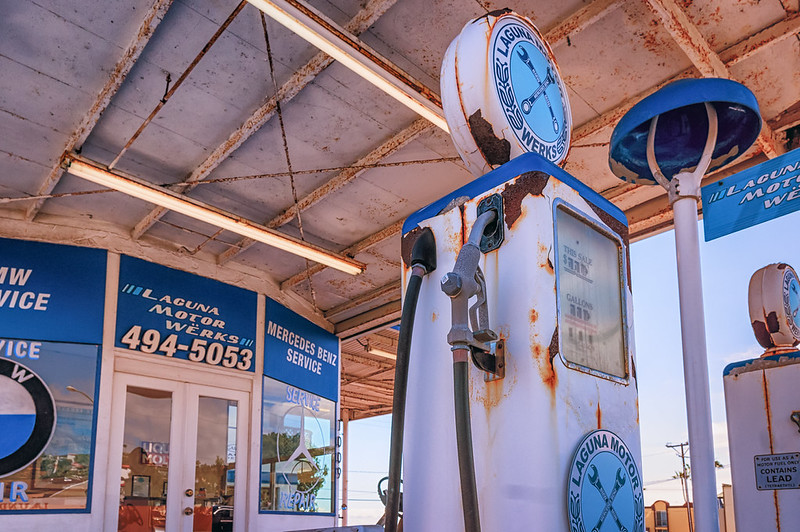
As summer quickly approaches and the travel season begins to pick up, tensions in the Middle East continue to rise, leaving many Americans worrying about something much closer to home: gas prices. Analysts have warned that the ongoing global conflict could push oil prices higher and bring gas prices closer to $5 a gallon in some parts of the United States. In cities such as White Plains, New York, prices range from $4.69 to $4.99 per gallon; the state average is now around $4.37, where a year ago it was about three dollars, with an all-time high being a little over five dollars during the war with Ukraine.
While international conflicts often feel distant from everyday life, their effects can quickly appear at gas stations, grocery stores, and household budgets across the country. For many Americans already struggling with inflation and rising living costs, another spike in fuel prices could place even more pressure on daily life. But why would gas prices even rise?
Gas prices are not determined solely by local demand. Global events, including conflicts, oil production levels, and supply chain disruptions, can all influence what Americans ultimately pay at the pump. When uncertainty affects major oil-producing regions, markets often react quickly. Of course, one major reason that experts are closely watching is the current conflict with the Strait of Hormuz, a narrow waterway located between the Persian Gulf and the Gulf of Oman. While many Americans may have never heard of it before until very recently, the strait is one of the world’s most important oil shipments passing through it. Because so much of the world’s energy supply moves through this small passageway, even concerns about disruptions can create uncertainty in oil markets. As tensions continue to rise, investors and analysts closely monitor the situation because fears of supply shortages can contribute to rising oil prices that eventually affect consumers.
Still, predicting exactly what will happen remains difficult. Oil markets often react not only to actual disruptions, but also to uncertainty itself. Even without complete interruption of shipments, concerns surrounding future risks may influence investor behavior and market activity. So if tensions continue or worsen in the coming weeks, Americans could potentially begin seeing some of those effects reflected at gas stations across the country. However, because global conditions can shift quickly, future gas prices remain uncertain.
But the increase in gas prices extends far beyond simply paying for more at the pump. Higher fuel costs create a ripple effect throughout daily life, affecting everything from grocery prices and transportation costs to overall household budgets. Students commuting to classes, families balancing monthly expenses, and workers who travel long distances may feel those effects especially strongly. As inflation and the cost of living remain concerns for many households, even small increases in gas prices could place additional financial pressure on people already trying to manage everyday expenses. So, when will it get better, and what could you do about it?
While experts continue monitoring global developments, predicting exactly where gas prices may go remains difficult. Analysts suggest that if disruptions in the Strait of Hormuz persist, global oil markets could take time to stabilize. In the meantime, consumers may continue adapting to fluctuating prices in practical ways. By shopping around for lower prices and planning trips more efficiently, drivers can manage some of the financial challenges. These everyday choices may help reduce some of the financial strain while highlighting how global events can influence even the smallest parts of daily life.
Acknowledgement: The opinions expressed in this article are those of the individual author, not necessarily Our National Conversation as a whole