

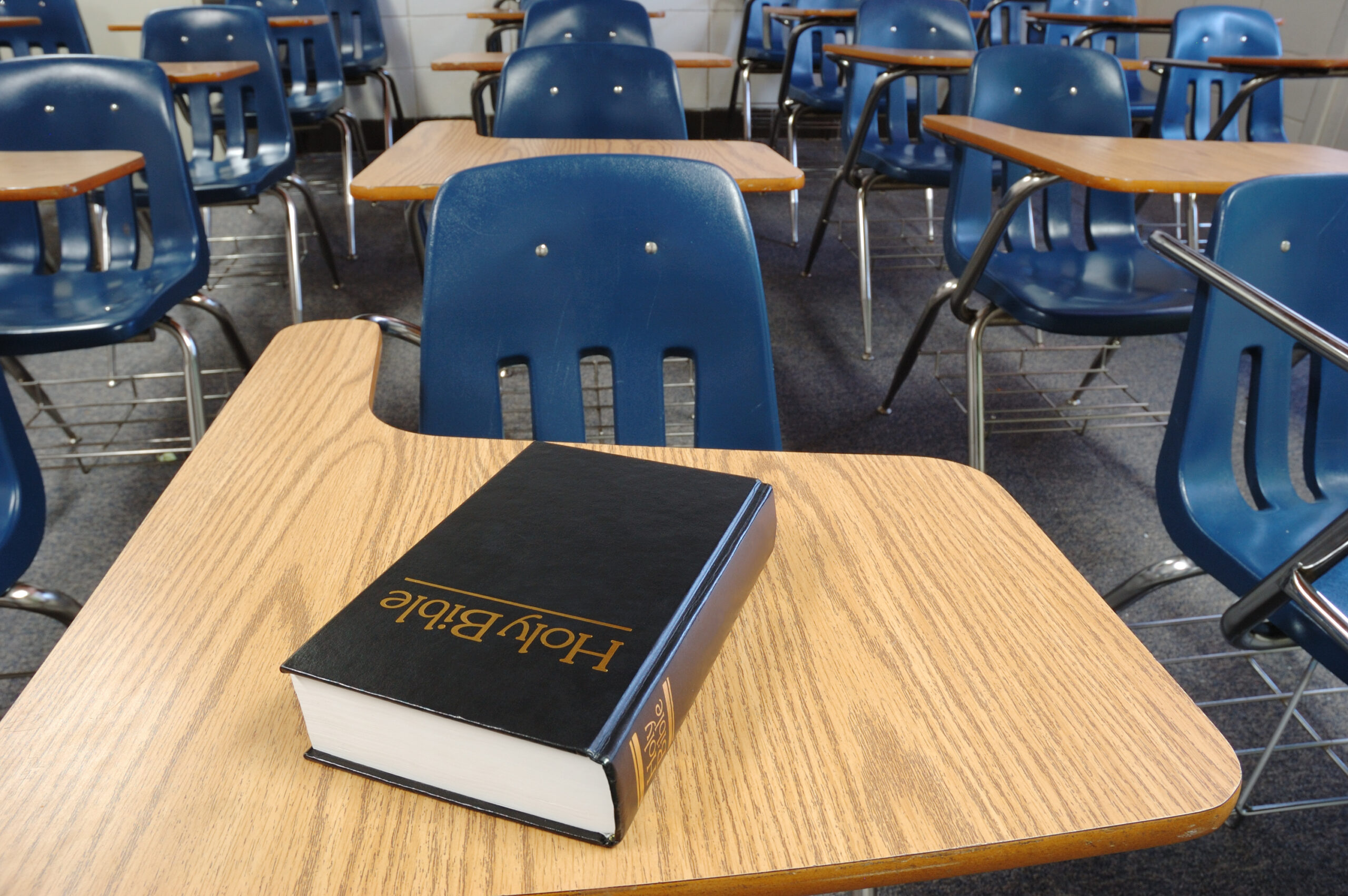
Texas has recently required that stories from the Bible be part of its state educational curriculum. Despite the controversy, I think that this can be a good thing. This is not because of my Christian alignment or my belief that the stories in the Bible are true, but because the Bible’s impact on American history is undeniable.
Schools provide many readings for students, ranging from American short stories to ancient classics such as The Odyssey. If anything, the Bible should be one of these required readings due to its historical importance. Students should read this text—whether they believe in its contents or not.
The Founding Fathers, despite many of them being deists or agnostics, were influenced by Christian values and traditions. That all humans, the image-bearers of God, should have undeniable rights is enshrined in the Constitution. This has been tested throughout American history. One notable example that comes to mind are the Abolitionists of the 19th century who fought mightily against slavery. Many of whom (such as Fredrick Douglass) were genuine Christians who took their ideas from Biblical values, commands, and texts.
It is also important to note how the Bible has been abused by Americans in the past. For example, the opponents of the Abolitionists—slave owners and pro-slavery individuals who dehumanized Black Americans—used the Bible to their advantage by omitting portions that would threaten their ability to dominate Black people. In doing so, they justified slavery.
Critics may ask: if the Bible is implemented, then why not other religious texts? To that I say, sure, why not? But, one should consider if other religious texts have had as much influence and sway in America as the Bible. Other critics may say that this breaches the separation between church and state. I would agree, if the Bible is being taught rather than merely read, an idea I will expand more upon below. But, if we require students to read Greek mythology, or sometimes even other world religions, then why should we not require them to read the stories of the Bible in school?
But, I would warn Christian lawmakers or advocates that while the stories of the Bible should be read at school, it should not be taught. There is a big difference between having a text as part of a student’s literary consumption and it being taught to them. It is one thing to teach about the historical context of the Bible, or how the Bible has been used in history (this is done with other historical texts and documents). It is another thing to start demonstrating religious and moral teachings from the Bible in school. Secular school teachers should not be required to teach the Bible as if it were true—and they do not have the qualifications to do so anyways. Teaching the Bible is not the responsibility of the state or the education system—it is solely of the church that Christ instituted, through qualified and ordained elders, pastors and ministers. The Christian faith is not a state ideology that is to be pushed onto students, but rather a true message—good news—that is to be spread by Christ’s church.
So yes, allow students to have the Bible as part of their education. Whether these students are atheists, agnostics, Christian, or of another religious background, they will benefit from reading a text that has played an important role in American history. But teachers, whether they are Christian or not, should not teach from the Bible at school.