

Photo by Heather Diehl/Getty Images
Limits on federal borrowing may reduce excessive student loan debt. Still, without tackling the underlying issue of rising tuition costs in graduate education, the number of individuals who can obtain these advanced degrees may be reduced.
In 2025, the Working Families Tax Cuts Act, more commonly known as the ‘One Big Beautiful Bill,’ eliminated the Grad PLUS Loan Program. On July 1, 2026, the new federal student loan policy went into effect. This policy reclassified certain advanced degree programs as professional and other graduate programs. Now, you may be thinking to yourself, “I’ve heard this before,” because you have; this is not an unprecedented action done by any presidential administration.
However, this renaming comes with new features. The Graduate Plus system is now effectively gone, which previously allowed students to fully fund their higher-level degrees by taking out a federal loan to cover the full cost of attendance. This removal and the reintroduction of loan caps have generated significant confusion regarding some graduate programs. For example, nursing programs are classified as non-professional, while theology is otherwise labeled as professional1. These loan caps allow people seeking a professional degree to obtain a max of $50,000 per academic year, with a Lifetime cap of $200,000. Persons seeking a non-professional degree will have access to a $20,500 cap per academic year, with a lifetime cap of $100,000.
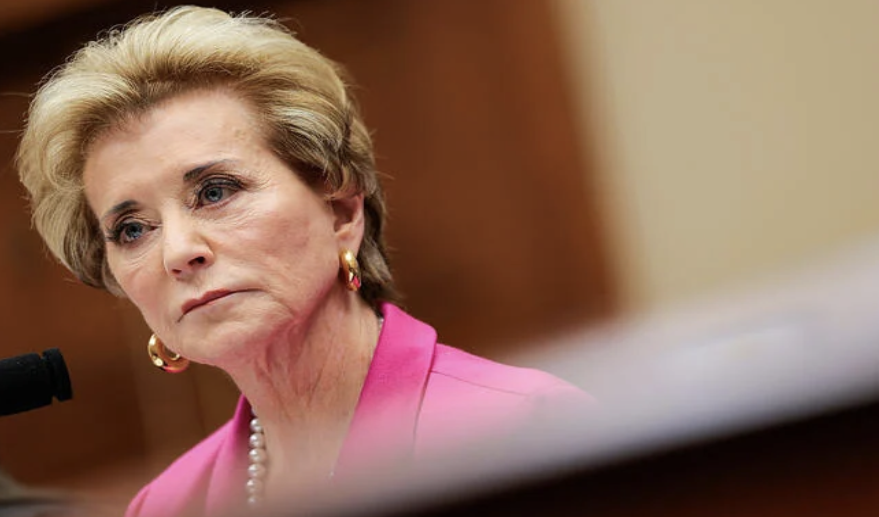
The Secretary of Education, Linda McMahon, and her Department said that these unlimited Grad Plus loans contributed to the rising cost of graduate education2. Now the real question: does removing these loans make higher education more affordable or push it further out of reach?
As the fall semester of 2026 approaches, graduate students with limited federal borrowing potential may have to turn to private student loans, which can carry higher interest rates and lack federal borrowing protections—others may choose not to attend at all. We will not yet know the effects of the PLUS Loans’ removal despite the confidence that it will lower tuition. I am not convinced that will work: like many other things in education and labor policy, attendance will drop and the cost of attendance will rise.
If anything, I believe this will put pressure on states to address this situation; some states will continue to push towards affordability, while others will shift to privatization. This will benefit many Americans, but also harm millions of others as their right to education evolves into a luxury.
This policy was enacted because the U.S. is $1.7 trillion in debt from student borrowers3; they believe this will allow them to shrink the debt while growing it elsewhere. The intent of the policy makes sense, but the execution is poorly done. Using the phrase “common sense governance” seems to mean the easiest option. The federal government should either review each degree program on a case-by-case basis or compel universities to justify each tuition increase, which must be approved, while also centering federal aid on the median cost of a program rather than limiting borrowing potential as a whole. This solves both the increasing tuition costs and prevents students from excessive student loan borrowing. If politicians genuinely want to make graduate education more affordable, then they must address the cost of education—not just limiting students’ ability to pay for it. Students should not have to choose to suffocate under crippling debt for an advanced degree from a public institution. The goal is not to simply reduce student loans, but to foster an education system that makes those loans less necessary.
1U.S. Department of Education. (2025, November 21). Myth vs. fact: The definition of professional degrees. https://www.ed.gov/about/news/press-release/myth-vs-fact-definition-of-professional-degrees
2U.S. Department of Education. (2025, May 13). Fact sheet: The Trump administration is making college more affordable. https://www.ed.gov/about/news/press-release/fact-sheet-trump-administration-making-college-more-affordable
3U.S. Department of Education. (2025, November 21). Myth vs. fact: The definition of professional degrees. https://www.ed.gov/about/news/press-release/myth-vs-fact-definition-of-professional-degrees