

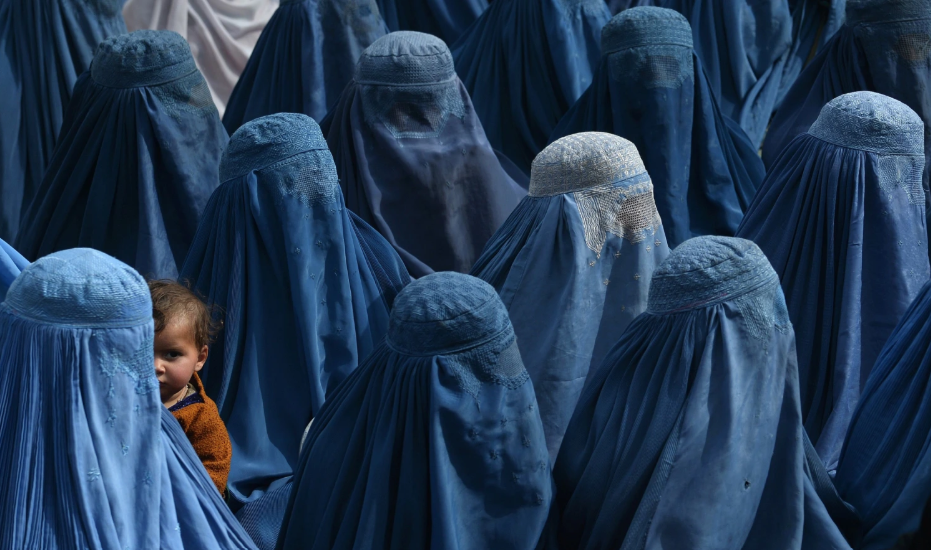
An American woman has become the center of international attention after announcing plans to move to Afghanistan to be with her husband, despite the country’s ongoing restrictions on women under Taliban rule. The decision has generated millions of views across social media and sparked debates about love, personal freedom, cultural differences, and the realities faced by Afghan women today.
The controversy comes as Afghanistan continues to receive criticism from human rights organizations for implementing laws that limit the rights of women and girls. While Alex Sunny says her move is motivated by love and family, many believe her decision has unintentionally highlighted the difficult conditions millions of Afghan women experience every day.
Who is Alex Sunny?
Alex Sunny is an American truck driver and content creator whose story gained widespread attention after she revealed she plans to relocate to Afghanistan to live with her husband. According to Alex, the couple first met on Snapchat in July 2024 while she was driving cross-country for work. She explained that she originally wanted someone to talk to during long hours on the road and was not looking for a relationship. However, the two quickly formed a close connection, often spending 12 to 15 hours a day talking on the phone.
After months of communicating online, the couple met in person in December 2024 and later married. Because her husband has been unable to immigrate to the United States, Alex decided she would instead move to Afghanistan so they could finally live together after spending nearly two years apart. She has repeatedly said that her decision is based on love rather than politics and believes many people have misconceptions about Afghanistan. Alex has also shared that she is half Jordanian through her father and half American through her mother, saying her background has given her familiarity with Middle Eastern culture.
As her videos spread online, thousands of viewers questioned whether she fully understood the challenges women face under Taliban rule. While some praised her commitment to her marriage and argued that adults have the right to make their own decisions, many others expressed concern for her safety and wondered why the couple could not settle in another country. Alex has responded that she understands the risks and believes moving is the best way for her family to be together.
Social Media Reaction
The announcement quickly spread across TikTok, YouTube, Instagram, and other social media platforms. Videos discussing Alex’s decision have received millions of views, with creators offering both support and criticism. Many commenters pointed to Afghanistan’s current treatment of women, arguing that the country’s legal system makes it one of the most difficult places in the world for women to live.
Others defended Alex’s decision, saying she is an adult capable of making her own choices. The online discussion has grown beyond one woman’s relationship and has become part of a larger conversation about human rights, cultural understanding, and the influence of social media.
Women’s Rights Under Taliban Rule
Since returning to power in 2021, the Taliban have introduced numerous policies restricting women’s rights. According to the U.S. Congressional Research Service, women and girls have been prohibited from attending secondary schools and universities, restricted from working in many professions, limited in their freedom of movement without a male guardian, and excluded from many areas of public life. These policies have significantly reduced educational and employment opportunities for millions of Afghan women.
Organizations working inside Afghanistan report that many women also struggle to access healthcare, legal assistance, and protection from domestic violence. Women’s shelters and advocacy organizations have either closed or operate under severe restrictions, leaving many women with few resources when facing abuse or discrimination.
New Marriage Laws Raise Concern
International attention has recently focused on a new marriage code introduced by the Taliban. Human rights organizations argue that the law gives fathers and grandfathers greater authority over marriage decisions, weakens protections against child marriage, and makes it increasingly difficult for women to leave abusive relationships.
According to reports published by The Guardian, some Afghan families fear their daughters have become trapped in abusive marriages because legal options for separation have become extremely limited. Women interviewed described feeling powerless as new legal rules reduced their ability to seek protection or independence.
Amnesty International has condemned the new legal code, arguing that it compounds an already severe human rights crisis for Afghan women and girls by reinforcing discrimination and limiting personal autonomy.
International Response
Governments, humanitarian organizations, and women’s rights advocates continue to express concern over the direction Afghanistan has taken under Taliban leadership. Organizations including Amnesty International and Medica Mondiale have called for increased international pressure while continuing humanitarian assistance for Afghan women.
Advocates argue that Afghan women continue to show remarkable resilience despite growing restrictions. Many continue to teach, learn, and support one another through informal networks even as opportunities become increasingly limited.
Why This Matters Now
Alex Sunny’s decision to move to Afghanistan extends beyond one person’s relationship and raises broader questions about women’s rights, cultural understanding, and life under Taliban rule.
Some of these questions include:
- How should people balance personal freedom with concerns about human rights?
- Can an individual’s positive experience accurately represent the conditions faced by millions of Afghan women?
- What responsibilities do social media influencers have when discussing life in countries with documented human rights concerns?
- How can the international community continue supporting Afghan women while respecting cultural differences?
As the discussion surrounding Alex Sunny’s decision continues, the story has become part of a much larger conversation about the treatment of women in Afghanistan. While supporters believe she has the right to make her own choices and critics worry about her safety, the debate has drawn renewed attention to the legal restrictions and daily challenges many Afghan women continue to face.
Regardless of opinions about Alex’s decision, the conversation highlights the ongoing struggle for women’s rights in Afghanistan and the importance of understanding the country’s current political and social conditions.
Sources
Afghan Women and Girls: Status and Congressional Action
Meet The Girl Moving To Afghanistan For Her Husband She Met ONCE…
American Woman is Planning To Relocate To Afghanistan Permanently To Be With Her Husband –
