

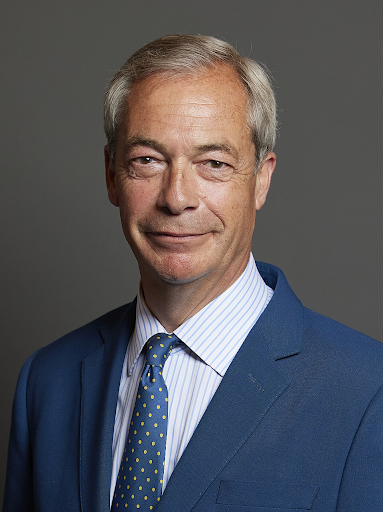
This past week in Britain’s local elections, Nigel Farage’s Reform UK party has made huge gains in previous strongholds of the Labour and Conservative parties. Running on a right-wing populist agenda, Farage has made reducing immigration a focus of his party’s campaign. Ten years ago, he also emphasized immigration issues in his successful campaign for Brexit. But politically, even by his own goals, this was not a success in resolving the issue.
Before 2021, British membership of the EU allowed citizens of any other member country to live and work in the UK without restrictions. The effects of this were especially stark after the less developed countries of the former Communist Warsaw Pact joined the union, massively increasing migration to Britain. Many native Brits blamed this surge of immigrants from Poland and Lithuania for diminishing wages and increased pressure on social services. And since Brexit, there has been a net outflow of migrants from Britain to the EU as a result of restricted European migration. But this has been blunted by a surge in immigration from non-EU countries, such as India, Pakistan, and Nigeria. These countries, despite being former British colonies, have vastly different cultures and institutions from Britain’s in comparison to almost any European country. Assimilating this new wave of migrants is therefore likely to be far more challenging than the previous one.
Although Farage has expressed disappointment in the Conservative Party for allowing this surge of migration post Brexit, the newcomers to his party indicate otherwise. This year, Reform UK has taken in several ministers from the responsible Conservative ministry, and Farage is merely aiming for zero net future migration instead of undoing decades of net mass immigration. Is it sane to vote for and take advice from the same figures who created the mess you’re in now?